
 한국어
 English
 日本語
 中文(简体)
Summary
- Main use
- Ovulation induction for infertility caused by ovulatory disorders
- Who takes it
- Adults
- Adult dose
- For the first cycle, administer 50mg daily for 5 days, starting on Day 5 of the cycle; treatment may be started at any time if there has been no recent uterine bleeding. If the first cycle is ineffective, increase the dose in the next cycle and administer 100mg daily for 5 days. Do not exceed a dose of 100mg per day for 5 days. Perform progestogen and estrogen tests to confirm the occurrence of withdrawal bleeding, and administer the medicine after excluding uterine amenorrhea.
Ingredients
- Manufacturer
- Youngpoong Pharmaceutical Co., Ltd.
Efficacy & effects
Ovulation induction for infertility caused by ovulatory disorders
- Ovulatory disorders
- infertility
View approved original textHide original text
This medication is used for patients who have infertility due to ovulatory disorders. It is particularly helpful for inducing ovulation in patients with normal endogenous estrogen levels who experience bleeding induced by progestogen administration. This helps restore a normal ovulation cycle and increases the chances of pregnancy. Therefore, it allows for personalized treatment according to the patient's hormonal status. This drug is used to improve ovulatory disorders for infertility treatment.
How to take
Adult dose
For the first cycle, administer 50mg daily for 5 days, starting on Day 5 of the cycle; treatment may be started at any time if there has been no recent uterine bleeding. If the first cycle is ineffective, increase the dose in the next cycle and administer 100mg daily for 5 days. Do not exceed a dose of 100mg per day for 5 days. Perform progestogen and estrogen tests to confirm the occurrence of withdrawal bleeding, and administer the medicine after excluding uterine amenorrhea.
Precautions
This medication should not be used in patients with certain diseases or conditions. For example, it should not be administered to patients with ovarian cysts or enlarged ovaries who do not have polycystic ovary syndrome, patients with liver diseases or histories of liver problems, or those with unexplained abnormal genital bleeding. Additionally, it should not be used in women with endometrial tumors, during pregnancy or in women who are possibly pregnant, or during breastfeeding. It should also not be administered to patients with specific conditions who experience anovulation due to pituitary or hypothalamic dysfunction. Moreover, patients with allergies to this medication or a history of visual impairment, patients with ovarian failure caused by excessive prolactin secretion, patients with blood coagulation disorders or bile metabolism disorders, and patients with endometriosis of the ovaries are also contraindicated for use. This medication contains lactose and should not be used in patients with lactose intolerance or related genetic issues. There are also situations where cautious use is necessary. For instance, it should be carefully administered to anovulatory patients who do not wish to conceive, patients with polycystic ovaries, and those who are allergic to or sensitive to the yellow No. 5 dye contained in this drug. Side effects may include lower abdominal pain or enlargement of the ovaries due to ovarian hyperstimulation, increased urination, heavy menstrual bleeding, multifetal pregnancy, menstrual irregularities, etc. Ocular side effects may include blurred vision or visual disturbances, flashes, double vision, and symptoms of photophobia, and rarely cataracts or optic nerve disease may occur. Other reported symptoms include breast tenderness or pain, skin rashes or allergic dermatitis, jaundice due to liver dysfunction, and gastrointestinal symptoms such as nausea, vomiting, and loss of appetite. Central nervous system symptoms may include headache, nervous irritability, insomnia, depression, anxiety, dizziness, and fatigue, and rarely hypertriglyceridemia and pancreatitis may occur. Other symptoms may include facial flushing, thirst, chest pain, weight gain, and temporary hair loss. This drug must be used under the guidance of an obstetrician or an endocrinologist, and patients should be informed that visual symptoms may occur at the start of treatment. If visual symptoms occur, the medication should be discontinued immediately, and an eye examination should be conducted. In the presence of visual impairment, patients should avoid driving or operating hazardous machinery. Caution should be especially exercised during early pregnancy, and basal body temperature should be monitored before and during administration to confirm ovulation. If symptoms of ovarian hyperstimulation occur, administration should be ceased and wait until the size of the ovaries returns to normal. Dosage and duration of treatment should be strictly limited, and patients should be informed in advance about the possibility of multifetal pregnancy. This drug should not be administered during pregnancy due to potential harm to the fetus, and it is also best to avoid use in breastfeeding mothers. In case of overdose, symptoms may include nausea, vomiting, facial flushing, visual disturbances, abdominal pain, and pelvic pain, so administration should be stopped immediately, and patients should rest and receive treatment according to symptoms. Finally, there may be an increased risk of ovarian cancer in women who have used this medication, so caution is required with long-term use.
Side effects
- Lower abdominal pain
- ovarian enlargement
- development of ovarian cysts
- increased urination
- menorrhagia
- multiple pregnancies
- irregular menstrual cycle
- frequent urination
- decreased endometrial thickness
- ovarian tumors
Show 45 moreCollapse
- blurred vision
- visual disturbances
- photopsia
- diplopia
- photophobia
- cataracts
- optic neuritis
- ischemic optic neuropathy
- central retinal vein occlusion
- retinal detachment
- vitreous detachment
- breast tenderness
- breast pain
- rash
- hives
- allergic dermatitis
- BSP retention
- jaundice
- nausea
- vomiting
- loss of appetite
- abdominal discomfort
- dyspepsia
- pancreatitis
- headache
- nervousness
- insomnia
- depression
- anxiety
- restlessness
- dizziness
- fatigue
- hypertriglyceridemia
- facial flushing
- thirst
- chest pain
- weight gain
- alopecia
- nausea
- vomiting
- facial flushing
- visual impairment
- abdominal pain
- pelvic pain
- ovarian hypertrophy
Not everyone experiences these, and they can vary from person to person.
Storage
This medication should be stored in a tightly sealed container to avoid exposure to air or moisture, and it is best stored at room temperature. It is important to avoid direct sunlight and not to place it in excessively hot or excessively cold conditions.
Appearance and packaging
Appearance
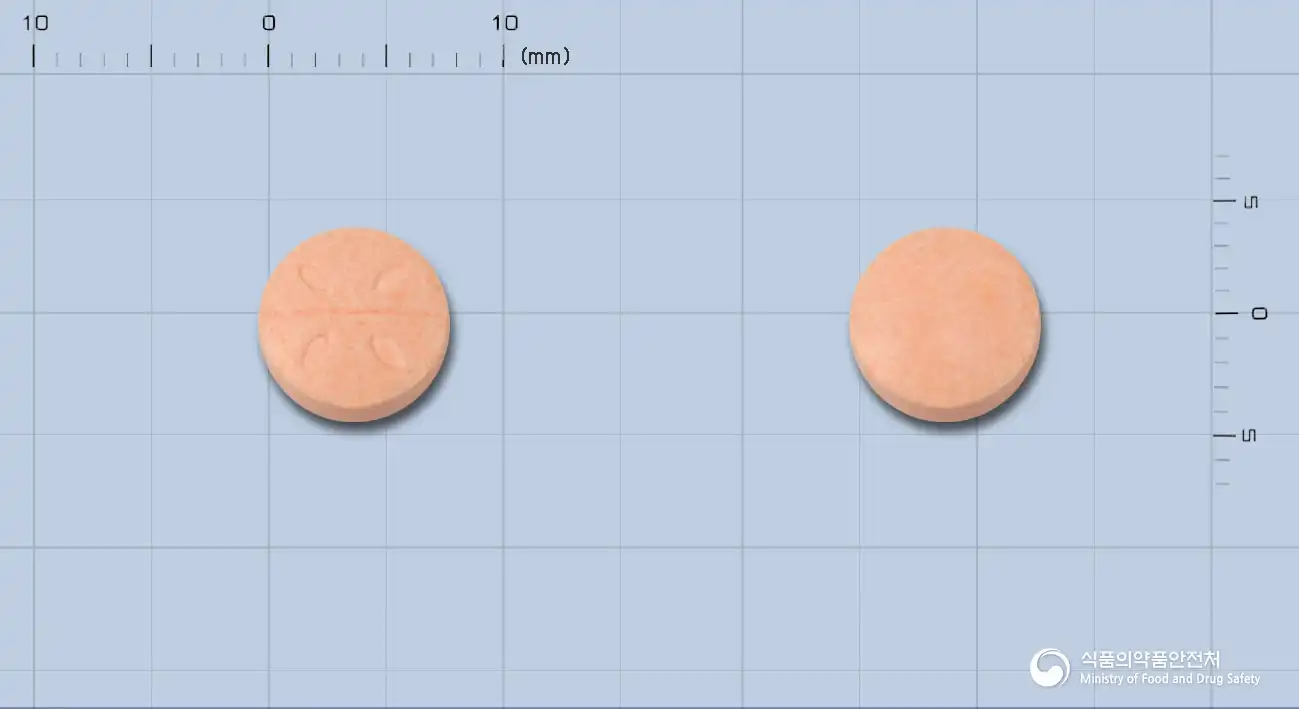
It is a round tablet of light yellow color.
Package unit
30 tablets/PTP (10 tablets/PTP x3) - 30 tablets/PTP[30 tablets/PTP (10 tablets/PTP x3)], 100 tablets/bottle - 100 tablets/bottle, 30 tablets/bottle - 30 tablets/bottle
Questions about this medicine
No questions yet.
For anything that needs medical judgment, consult a doctor or pharmacist.