
 한국어
한국어 English
 日本語
日本語 中文(简体)
 Viewing now
Shinil Thiamine Hydrochloride Tablet 10 mg
Thiamine Hydrochloride 10mg
Tablet · OTC medication
Shinil Pharmaceutical Co., Ltd.
MFDS item code 199501953 · Notified 1995.10.04 · Insurance code 653801460
Prevention and treatment of vitamin B1 deficiency and metabolic disorder related neuropathic pain, myalgia, etc.
This medication is used to prevent and treat vitamin B1 deficiency. It also supplements vitamin B1 when intake is insufficient, helping those with wasting diseases, hyperthyroidism, pregnant and nursing women, and those performing heavy labor. It is effective in treating Wernicke's encephalopathy and beriberi. This medication is used for symptoms suspected to be due to vitamin B1 deficiency or metabolic disorders, such as myalgia, arthralgia, neuropathic pain, and peripheral neuritis. It aids in the improvement of symptoms related to various vitamin B1-related diseases.
As thiamine hydrochloride, take 1–10 mg once, 1–3 times a day.
This medication should not be taken by individuals allergic to this drug or its components. Additionally, this medication contains lactose monohydrate, so patients with galactose intolerance, lactase deficiency, or glucose-galactose malabsorption due to genetic reasons should not take it. Patients currently undergoing treatment should consult a doctor, dentist, or pharmacist before taking this medication. If symptoms such as fever, itching, hives, lethargy, sweating, nausea, cyanosis, respiratory edema, or gastrointestinal bleeding occur during use, discontinue immediately and consult a professional. This medication must be taken according to the prescribed dosage and frequency, and if symptoms do not improve or worsen after about one month of use, it is important to consult a doctor or pharmacist. Vitamin B1 deficiency may be associated with deficiencies of other vitamins, so it is necessary to consider the deficiency status along with taking a multivitamin. This medication should be stored out of the reach of children, and it is best to keep it in a cool, dry place away from direct sunlight. Also, to maintain quality and prevent misuse, it is important not to transfer this medication to another container.
Hives, respiratory edema
Not everyone experiences these, and they can vary from person to person.
This medication is sensitive to light and should be stored in a container that blocks light. Additionally, it is important to keep the medication at room temperature, specifically between 1 to 30 degrees Celsius. This helps maintain the effectiveness and safety of the medication.
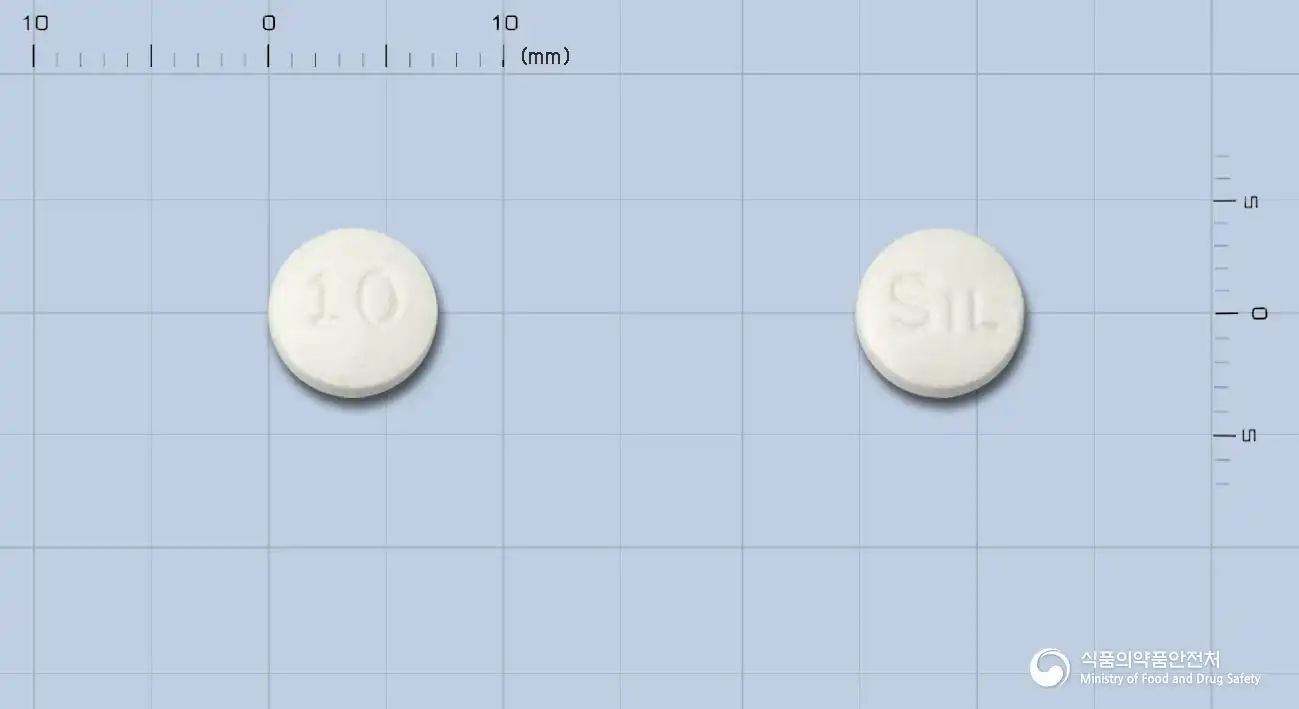
White round tablets
1000 tablets/bottle
Even with the same ingredient, strength, dosage form and how it is taken can differ.
Even with the same ingredient, the dose and directions can differ by strength and dosage form. Talk to a doctor or pharmacist before switching from a medication you are already taking.
No questions yet.
For anything that needs medical judgment, consult a doctor or pharmacist.
This drug information is based on data provided by the Korea Ministry of Food and Drug Safety.
Consult a doctor or pharmacist for accurate dosage, administration, and usage instructions.