
 한국어
한국어 English
 日本語
日本語 中文(简体)
 Viewing now
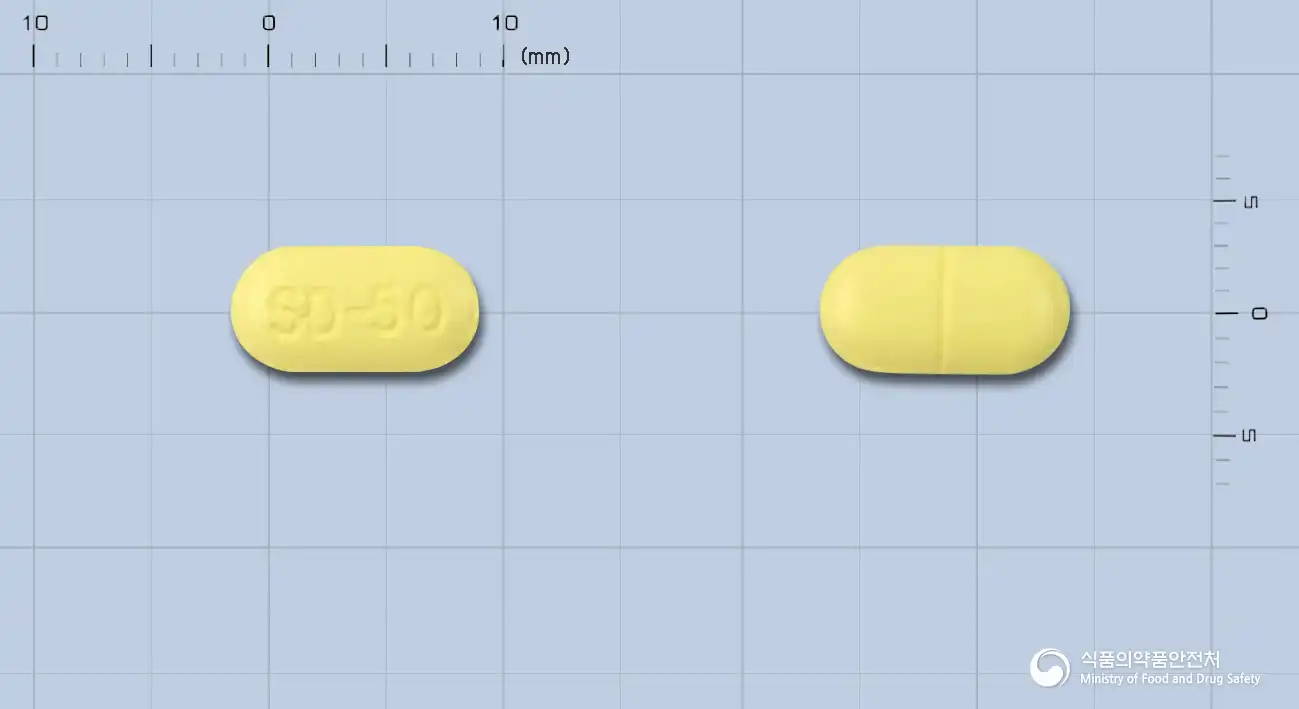
Shinil Diclofenac Sodium Tablets 50 mg
Diclofenac Sodium 50mg
Tablet · Prescription medication
Shinil Pharmaceutical Co., Ltd.
MFDS item code 199501950 · Notified 1995.09.25 · Insurance code 653801000
Relief of inflammation and pain from rheumatoid arthritis, osteoarthritis (degenerative joint disease), etc.
This medication is used to effectively treat symptoms of chronic arthritis such as rheumatoid arthritis, osteoarthritis (degenerative joint disease), and ankylosing spondylitis. It also helps relieve various pain and inflammatory conditions that occur after surgery or trauma, acute gout, non-articular rheumatism, lower back pain, toothache, dysmenorrhea, inflammation and pain in the ear, nose, and throat area, and periarticular shoulder pain. Injectable forms are particularly used for treating renal colic and liver colic. This medication is available in oral, injectable, and extended-release forms, allowing selection based on the patient's condition. Overall, it is widely used to improve symptoms of arthritis, muscles, and inflammatory diseases.
As Diclofenac Sodium, the initial dose is 100 mg per day, and for maintenance or long-term use, it is administered orally divided into 2-3 doses of 75-100 mg per day.
Administer orally divided into 2-3 doses of 0.5-3 mg per kg of body weight per day. Adjust appropriately depending on age, disease, and symptoms.
This medication may cause gastrointestinal bleeding in individuals who consume more than three alcoholic beverages daily, so it is essential to consult with a doctor or pharmacist. As a non-steroidal anti-inflammatory drug, it may increase the risk of cardiovascular disease; therefore, individuals with heart disease or risk factors should be closely monitored. Severe gastrointestinal problems such as gastrointestinal bleeding, ulcers, and perforation can occur; thus, individuals with a history of gastrointestinal issues or the elderly should be particularly cautious. Allergic reactions may appear suddenly, and in severe cases, life-threatening anaphylaxis may occur, necessitating immediate medical attention. This medication can mask symptoms of infections, so it should be used in conjunction with other medications for infection treatment, and patients should be closely monitored. Individuals with peptic ulcers, severe blood disorders, liver dysfunction, kidney impairment, hypertension, or heart failure should refrain from taking this medication. Those with a history of gastrointestinal disorders, blood abnormalities, liver or kidney issues, hypertension, heart failure, or autoimmune diseases should take this medication with caution. If symptoms such as skin rash, difficulty breathing, severe headache, or gastrointestinal bleeding occur, usage should be stopped immediately and healthcare professionals should be consulted. This medication should be used at the minimum dosage and for the shortest duration possible, and it is advisable not to use it for fever reduction alone. Regular blood tests and liver and kidney function checks should be conducted during long-term use to confirm any abnormalities. It may pose risks to the fetus and mother during pregnancy, especially in the later stages; therefore, pregnant women should avoid using it, and caution is also necessary while breastfeeding. Special attention is needed when administrating to children, the elderly, or those with chronic conditions. In case of overdose, supportive treatment such as inducing vomiting or gastric lavage is necessary, and since there is no specific antidote, caution is advised. It is desirable to take the medication with sufficient water to ensure it does not remain in the esophagus, and it should not be chewed and should be taken before meals. There are many interactions with other medications, so if taking other medications, be sure to inform and consult with healthcare professionals.
Hives, severe swelling (edema), chest tightness, difficulty breathing, cold sweat, pallor, severe allergic reactions, severe rash with high fever, blisters, peeling skin, pain in oral/ocular mucosa, severe skin adverse reactions, shortness of breath or difficulty breathing, asthma attacks, cough + fever with respiratory distress, yellowing of skin or eyes (jaundice), profound lethargy, liver abnormalities (jaundice), sudden and very severe reactions
Loss of appetite, nausea, vomiting, abdominal pain, dyspepsia, black stools, aphthous stomatitis, dry mouth, mucosal dryness, blood-streaked diarrhea, changes in appetite, pancreatitis, colitis, diarrhea, abdominal cramps, abdominal bloating, discomfort in the upper abdomen, aphthous gastritis, glossitis, esophageal lesions, stomatitis, angular cheilitis, dry mouth, constipation, ulcers or strictures of the small or large intestine, lower gastrointestinal disorders, skin rash, itching, eczema, dermatitis, redness, angioedema, erythema multiforme, flushing
Not everyone experiences these, and they can vary from person to person.
This medication should be stored in a tightly sealed container to prevent exposure to air or moisture, and it is best to keep it at room temperature between 1 degree and 30 degrees Celsius.
Yellow delayed-release oblong film-coated tablet
1000 tablets/bottle
Even with the same ingredient, strength, dosage form and how it is taken can differ.
Viewing nowDiclofenac Sodium 50mg
Tablet · Prescription medication
Shinil Pharmaceutical Co., Ltd.

Diclofenac Sodium 25mg
Tablet · Prescription medication
Dongkwang Pharmaceutical Co., Ltd.
Diclofenac Sodium 75mg
Prescription medication
Ajou Pharmaceuticals Co., Ltd.
Diclofenac Sodium 37.5mg
Prescription medication
Hwanin Pharmaceutical Co., Ltd.
Diclofenac Sodium 25mg
Tablet · Prescription medication
GL Pharma Co., Ltd.
Diclofenac Sodium 75mg
Solution · Prescription medication
YuYoung Pharmaceutical Co., Ltd.
Diclofenac Sodium 37.5mg
Prescription medication
Daehwa Pharmaceutical Co., Ltd.
Diclofenac Sodium 37.5mg
Prescription medication
Dongkwang Pharmaceutical Co., Ltd.
Even with the same ingredient, the dose and directions can differ by strength and dosage form. Talk to a doctor or pharmacist before switching from a medication you are already taking.
No questions yet.
For anything that needs medical judgment, consult a doctor or pharmacist.
This drug information is based on data provided by the Korea Ministry of Food and Drug Safety.
Consult a doctor or pharmacist for accurate dosage, administration, and usage instructions.