
 한국어
한국어 English
 日本語
日本語 中文(简体)
 Viewing now
Shinil Diclofenac Sodium Tablets
Diclofenac Sodium 25mg
Tablet · Prescription medication
Shinil Pharmaceutical Co., Ltd.
MFDS item code 199501947 · Notified 1995.09.20 · Insurance code 653800990
Relief of inflammation and pain in rheumatoid arthritis, osteoarthritis (degenerative joint disease), etc.
This medication is primarily used to treat rheumatoid arthritis, osteoarthritis (degenerative joint disease), and ankylosing spondylitis. It also helps relieve inflammation and pain that occur after surgery or trauma, and assists with various painful conditions such as acute gout, non-articular rheumatism, low back pain, toothache, dysmenorrhea, inflammation and pain in the ENT area, and periarthritis of the shoulder. For injectable formulations, it is also used to relieve renal and hepatic colic pain. While the effects are similar across different formulations, sustained-release formulations provide prolonged effects, making them suitable for steady management. This medication reduces inflammation and improves pain, making daily life more comfortable for patients.
As diclofenac sodium, the initial dose is 100mg per day; for maintenance or long-term treatment, 75-100mg per day should be taken in 2-3 divided doses.
Children should take 0.5-3mg per kg of body weight per day, divided into 2-3 doses. Adjust according to age, condition, and symptoms.
Patients who regularly consume three or more alcoholic beverages daily must consult a physician or pharmacist before taking this medication. The risk of gastrointestinal bleeding may increase if taken with alcohol. This medication can affect the cardiovascular system, so patients with cardiovascular disease or risk factors should be especially cautious. Serious thrombotic reactions such as myocardial infarction or stroke may occur, so immediate consultation with healthcare professionals is required if symptoms develop. It may affect the gastrointestinal tract, potentially leading to serious issues such as bleeding, ulcers, or perforations in the stomach or intestines. Caution is particularly warranted for the elderly or those with a history of gastrointestinal disorders; if gastrointestinal bleeding symptoms appear during treatment, immediate medical care is needed. Allergic reactions may occur suddenly and, in severe cases, can progress to life-threatening conditions such as anaphylaxis. If chest pain or difficulty breathing occurs while taking this medication, seek emergency help immediately. This medication may mask symptoms of infection, potentially delaying the diagnosis of infectious complications, so caution is necessary if infection is suspected. Patients with certain conditions such as peptic ulcers, severe blood disorders, liver impairment, renal impairment, hypertension, or heart failure should not use this medication. Additionally, those with allergies to its components or hypersensitivity to aspirin or other non-steroidal anti-inflammatory drugs should refrain from taking it. Caution is advised for those with a history of peptic ulcers, tendency to bleed, liver impairment, renal impairment, hypertension, heart failure, asthma, the elderly, etc., and they should consult with healthcare professionals immediately upon experiencing any adverse reactions. This medication may have various side effects, particularly gastrointestinal bleeding, liver and kidney dysfunction, skin rashes, neuropsychiatric issues, and cardiovascular problems. If any of these symptoms occur, abruptly discontinue use and seek professional care. This medication should be avoided during late pregnancy as it may harm the fetus; women of childbearing potential should consult healthcare professionals before use. Breastfeeding mothers should consider stopping breastfeeding or discontinuing this medication, as it may transfer into breast milk and cause adverse reactions in infants. For children or the elderly, special care is necessary due to immature temperature regulation and a higher risk of adverse reactions. In case of overdose, symptoms such as vomiting, gastrointestinal disorders, and renal failure may occur, so immediate medical attention is required if an overdose happens. Take the medication with sufficient water and avoid letting it linger in the esophagus. Particularly, avoid taking it just before bedtime, and swallow without chewing.
Urticaria, severe swelling (edema), chest tightness, difficulty breathing, cold sweat, pallor, severe rash with high fever, blisters, skin peeling, pain in oral/ocular mucosa, shortness of breath or difficulty breathing, asthma attacks, respiratory abnormalities with cough and fever, jaundice (yellowing of the skin or eyes), extreme lethargy, sudden and severe headache, thunderclap headache, seizures, consciousness confusion, visual disturbances, paralysis, urine
Not everyone experiences these, and they can vary from person to person.
Store this medication in a tightly sealed container to protect it from air and moisture. It is also important to keep it at room temperature, not too hot or too cold.
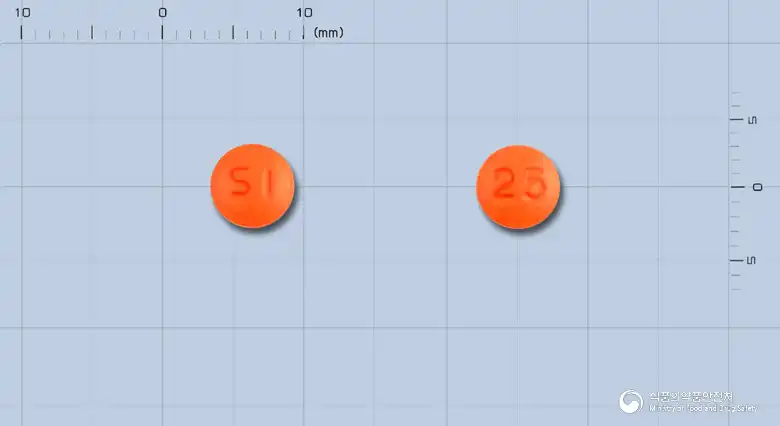
Orange enteric-coated round film-coated tablets
1000 tablets/bottle, 10000 tablets/bottle
Even with the same ingredient, strength, dosage form and how it is taken can differ.
Viewing nowDiclofenac Sodium 25mg
Tablet · Prescription medication
Shinil Pharmaceutical Co., Ltd.

Diclofenac Sodium 25mg
Tablet · Prescription medication
Dongkwang Pharmaceutical Co., Ltd.
Diclofenac Sodium 75mg
Prescription medication
Ajou Pharmaceuticals Co., Ltd.
Diclofenac Sodium 37.5mg
Prescription medication
Hwanin Pharmaceutical Co., Ltd.
Diclofenac Sodium 25mg
Tablet · Prescription medication
GL Pharma Co., Ltd.
Diclofenac Sodium 75mg
Solution · Prescription medication
YuYoung Pharmaceutical Co., Ltd.
Diclofenac Sodium 37.5mg
Prescription medication
Daehwa Pharmaceutical Co., Ltd.
Diclofenac Sodium 37.5mg
Prescription medication
Dongkwang Pharmaceutical Co., Ltd.
Even with the same ingredient, the dose and directions can differ by strength and dosage form. Talk to a doctor or pharmacist before switching from a medication you are already taking.
No questions yet.
For anything that needs medical judgment, consult a doctor or pharmacist.
This drug information is based on data provided by the Korea Ministry of Food and Drug Safety.
Consult a doctor or pharmacist for accurate dosage, administration, and usage instructions.