
 한국어
 English
 日本語
 中文(简体)
 Viewing now
Sammann Hydrochloride Trimethazidine Tablet 20 milligrams
Trimetazidine Hydrochloride 20mg
Tablet · Prescription medication
Sammann Pharmaceutical Co., Ltd.
MFDS item code 199501093 · Notified 1995.02.04 · Insurance code 653700580
Adjunctive treatment of symptoms of stable angina in adults
This medication is used to alleviate symptoms of stable angina in adults. It is particularly used in combination with other medications in patients who do not respond sufficiently to primary treatment or are intolerant. This helps reduce the discomfort associated with angina and improve the quality of life of patients.
Adults: Take 20mg per dose 3 times daily with breakfast, lunch, and dinner Patients with renal impairment Patients with moderate renal impairment (creatinine clearance 30-60 ml/min) should take 20mg per dose 2 times daily with breakfast and dinner.
This drug is not a direct treatment for angina attacks and should not be used as a primary treatment for unstable angina or myocardial infarction. If angina attacks occur, reevaluate the condition of the patient and choose appropriate treatment methods. This drug should not be used prior to or on the first day of hospitalization. Individuals who are allergic to this drug or any of its ingredients should not take it. Patients with Parkinson's disease or related movement disorders, as well as those with severe renal impairment, should not use this medication. Patients with moderate renal impairment or those over the age of 75 should exercise caution when using this medication. This drug contains yellow pigment, so individuals allergic to this component should also be cautious. When taking this drug, neurological symptoms such as dizziness or headache may commonly occur. Gastrointestinal issues such as abdominal pain, diarrhea, dyspepsia, and vomiting may also frequently arise. Skin rashes or itching are common side effects. This medicine may cause or exacerbate Parkinsonian symptoms or movement disorders, so especially elderly patients should have their condition checked regularly. If movement disorder symptoms appear, discontinue the medication and consult a specialist. Severe skin reactions may rarely occur, so if any skin abnormalities present themselves, stop taking the medication immediately and seek medical attention. Pregnant women should avoid taking this medication, and it is also advisable for breastfeeding women to refrain from its use. Use in children under the age of 18 is not recommended due to the uncertainty regarding safety and efficacy. Elderly patients may experience decreased renal function and may require dosage adjustments. In the case of overdose, as there is no specific antidote, treatment should be symptom-based. This medication may cause dizziness or drowsiness, so caution is required when driving or operating machinery. Store out of reach of children, and do not take medication that has passed its expiration date.
dizziness, headache, sensory disturbances, Parkinson's symptoms, tremors, akinesia, hypertonia, gait instability, restless legs syndrome, other movement-related disorders, sleep disorders, insomnia, drowsiness, palpitations, ectopic beats, tachycardia, arterial hypotension, anxiety, orthostatic hypotension related to falls, flushing, abdominal pain, diarrhea, dyspepsia, nausea, vomiting, constipation, rash, itching, urticaria, eosinophilia and systemic symptom associated drug reaction, acute generalized exanthematous pustulosis, angioedema, asthenia, agranulocytosis, thrombocytopenia, thrombocytopenic purpura, hepatitis
Not everyone experiences these, and they can vary from person to person.
This medication should be stored in a tightly closed container to prevent exposure to air or moisture. It is recommended to maintain a storage temperature between 1 degree and 30 degrees Celsius.
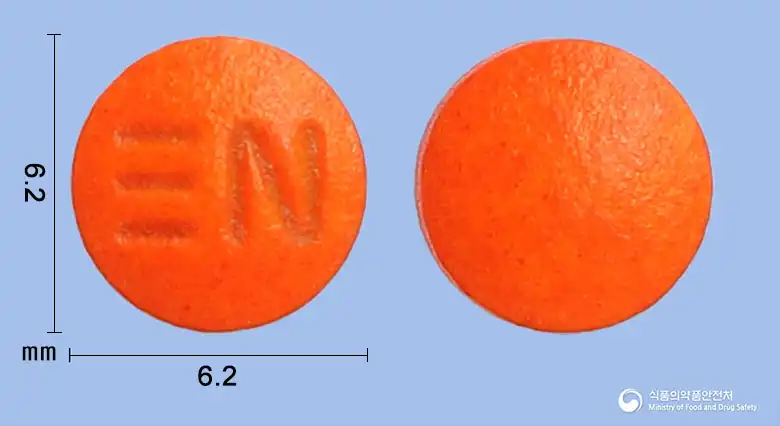
Scarlet round film-coated tablets
30 tablets/bottle, 300 tablets/bottle
Even with the same ingredient, strength, dosage form and how it is taken can differ.
Viewing nowTrimetazidine Hydrochloride 20mg
Tablet · Prescription medication
Sammann Pharmaceutical Co., Ltd.

Trimetazidine Hydrochloride 35mg
Tablet · Prescription medication
Korea Servier Co., Ltd.

Trimetazidine Hydrochloride 20mg
Tablet · Prescription medication
Korea Servier Co., Ltd.

Trimetazidine Hydrochloride 20mg
Tablet · Prescription medication
Celltrion Pharmaceutical Co., Ltd.
Trimetazidine Hydrochloride
Prescription medication
Korea SanDoos Co., Ltd.
Trimetazidine Hydrochloride 35mg
Tablet · Prescription medication
Albozen Korea Co., Ltd.
Even with the same ingredient, the dose and directions can differ by strength and dosage form. Talk to a doctor or pharmacist before switching from a medication you are already taking.
No questions yet.
For anything that needs medical judgment, consult a doctor or pharmacist.
This drug information is based on data provided by the Korea Ministry of Food and Drug Safety.
Consult a doctor or pharmacist for accurate dosage, administration, and usage instructions.