
 한국어
 English
 日本語
 中文(简体)
 Viewing now
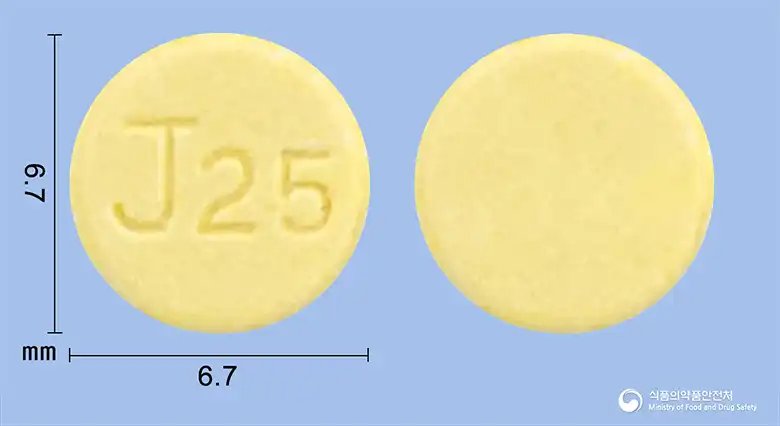
Dafid Tablet 2.5 mg (Indapamide)
Indapamide 2.5mg
Tablet · Prescription medication
Jinyang Pharmaceutical Co., Ltd.
MFDS item code 199501023 · Notified 1995.03.14 · Insurance code 650300230
Treatment of essential hypertension and edema due to congestive heart failure
This medication is used to treat edema caused by essential hypertension and congestive heart failure.
Essential hypertension Adults: Administer 2-2.5㎎ of indapamide orally once daily after breakfast. Edema due to congestive heart failure Adults: Administer 2.5㎎ of this medicine once daily after breakfast. For severe edema, the dose may be increased to 5㎎ after 1 week. Adjust the dose as appropriate according to age and symptoms.
This drug should not be used in patients with anuria or acute renal failure, and in patients with very low potassium or sodium levels in body fluids. Furthermore, it is also not safe for patients who have had allergic reactions to this medication, those who have recently suffered cerebrovascular damage, and those with severe liver dysfunction. As it contains lactose, patients with genetic problems such as lactose intolerance, lactase deficiency, or glucose-galactose malabsorption syndrome should not take this medication. Patients with advanced cirrhosis, elderly patients with heart disease, and those with severe renal impairment should use this drug with caution, and those with poor liver function or a history of gout or diabetes should also be cautious. Patients experiencing diarrhea or vomiting, those with hypercalcemia or hyperparathyroidism, and those taking specific medications should also use this drug carefully. This medication can cause electrolyte imbalances and dehydration, so it should be started at a low dose and gradually increased, and electrolyte levels should be regularly monitored through blood tests during treatment. If hypokalemia occurs, appropriate treatment is required, and if plasma magnesium levels are low, it may be difficult to treat hypokalemia. This drug can interact with other medications, so patients taking blood pressure medications, digoxin, corticosteroids, or lithium should consult a doctor. Administration should be avoided in late pregnancy, and during breastfeeding, it should be used only if necessary, and breastfeeding should be discontinued if unavoidable. Safety for children has not been sufficiently confirmed, so it should be used cautiously in this population, and elderly patients should start at a low dose while being closely monitored. In cases of overdose, symptoms such as nausea, vomiting, weakness, and electrolyte imbalances may occur, so immediate medical treatment should be obtained.
Not everyone experiences these, and they can vary from person to person.
This medication should be stored in a tightly closed container to prevent exposure to air and light. It is also important to store it at room temperature, avoiding extremes of heat or cold.
Yellow round tablets
(Domestic use) 30 tablets/bottle, 300 tablets/bottle (Export) 100 tablets/bottle
Even with the same ingredient, strength, dosage form and how it is taken can differ.
Viewing nowIndapamide 2.5mg
Tablet · Prescription medication
Jinyang Pharmaceutical Co., Ltd.
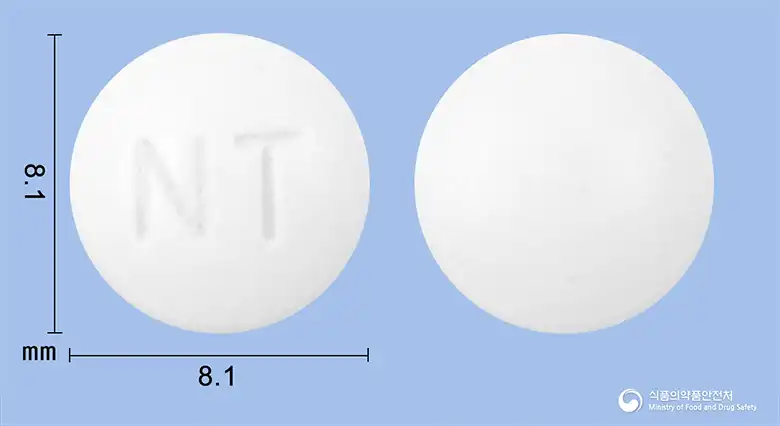
Indapamide 1.5mg
Tablet · Prescription medication
Youngjin Pharmaceutical Co., Ltd.
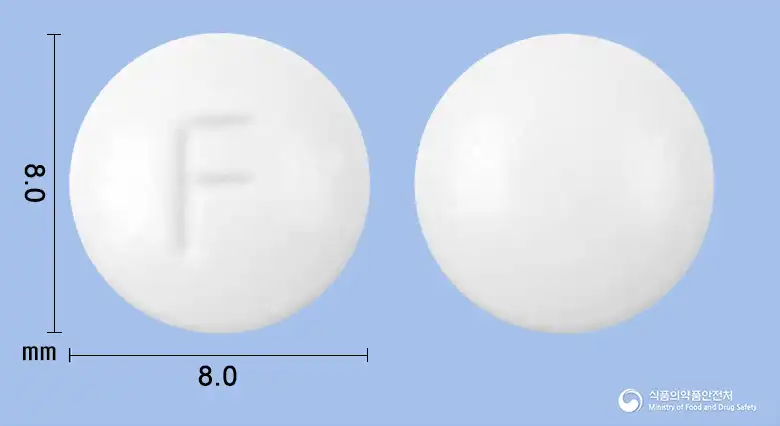
Indapamide 1.5mg
Tablet · Prescription medication
Korea Servier Co., Ltd.
Even with the same ingredient, the dose and directions can differ by strength and dosage form. Talk to a doctor or pharmacist before switching from a medication you are already taking.
No questions yet.
For anything that needs medical judgment, consult a doctor or pharmacist.
This drug information is based on data provided by the Korea Ministry of Food and Drug Safety.
Consult a doctor or pharmacist for accurate dosage, administration, and usage instructions.