
 한국어
 English
 日本語
 中文(简体)
Dosage form image
Viewing nowMinirin Nasal Spray (Desmopressin Acetate)
Desmopressin Acetate 10mg
Prescription medication
Korea Ferring Pharmaceuticals Co., Ltd.
MFDS item code 199403265 · Notified 1994.12.16
Treatment of diabetes insipidus; differential diagnosis and measurement of renal concentrating capacity; relief of polyuria and polydipsia after hypophysectomy
This medication is used for the diagnosis of vasopressin-sensitive diabetes insipidus, polyuria and thirst after pituitary surgery, and the measurement of renal concentrating ability.
1) Vasopressin-sensitive diabetes insipidus, polyuria and polydipsia following hypophysectomy, differential diagnosis of central diabetes insipidus, and measurement of renal concentrating ability: The dosage varies among individuals, but the usual adult dose is 10-20㎍ of desmopressin acetate administered intranasally 1-2 times daily. Next, 5-10㎍ of this drug is administered intranasally 1-2 times daily.
For infants, reduce the dose according to the effect.
Using this medication without restricting fluid intake can lead to serious symptoms such as headaches, nausea, vomiting, weight gain, and in severe cases, seizures. Therefore, when using this medication, care should be taken to drink only enough water to feel thirsty. This medication should not be used in certain patients. For example, it should not be administered to patients who are allergic to this medication or its components, those with severe heart failure, severely impaired kidney function, or confirmed hyponatremia. Additionally, patients with high blood pressure, chronic kidney disease, pregnant or potentially pregnant women, children and elderly individuals, and those at risk of increased intracranial pressure should use this medication cautiously. This medication may cause side effects such as headaches, flushing of the face, nausea, abdominal pain, and increased blood pressure. Particularly in the elderly, serious water intoxication and hyponatremia may occur, leading to cerebral edema, coma, seizures, and weight gain, so caution is advised. Allergic reactions such as nasal mucosal irritation, rhinitis, itching, rash, dizziness, and drowsiness have also been reported. It is important to restrict fluid intake for 1 hour prior to administration of this medication and for at least 8 hours after. During kidney function tests, the restriction period may be extended up to 12 hours. If taking other medications that can induce hyponatremia, frequent monitoring of serum sodium levels is required. This medication is preferably used only when oral medications cannot be used. This medication contains benzalkonium chloride, which may cause bronchospasm or irritation and swelling of the nasal mucosa; therefore, caution is necessary for long-term use. Caution is required when used in conjunction with certain antidepressants, analgesics, diuretics, corticosteroids, etc., as these may increase the risk of hyponatremia and water intoxication. During pregnancy, there is a rare possibility of uterine contraction effects; hence, it should be used cautiously, and if breastfeeding, it is advisable to discontinue nursing as the drug may be passed into breast milk. When used in children or the elderly, there is a higher risk of hyponatremia and water intoxication, so fluid intake must be strictly limited. In case of overdose, symptoms such as headaches, vomiting, seizures, and loss of consciousness may occur, and in such cases, the number of doses or dosage should be reduced, and fluid intake should be restricted. If there is severe water retention, appropriate treatment should be received at a hospital. During the use of this medication, it is necessary to periodically monitor weight, urine output, plasma osmolality, etc., to check for abnormalities. In cases of mucosal damage or history of nasal surgery, absorption may become unstable and substitution with an injectable form is recommended.
Not everyone experiences these, and they can vary from person to person.
This medication should be stored in a sealed container to prevent exposure to light and air and should be kept in a cool place below 25 degrees Celsius.
A colorless and transparent liquid in a brown spray glass container
5 milliliters per bottle
Even with the same ingredient, strength, dosage form and how it is taken can differ.
Desmopressin Acetate 10mg
Prescription medication
Korea Ferring Pharmaceuticals Co., Ltd.
Desmopressin Acetate 4μg
Prescription medication
Korea Ferring Pharmaceutical Co., Ltd.
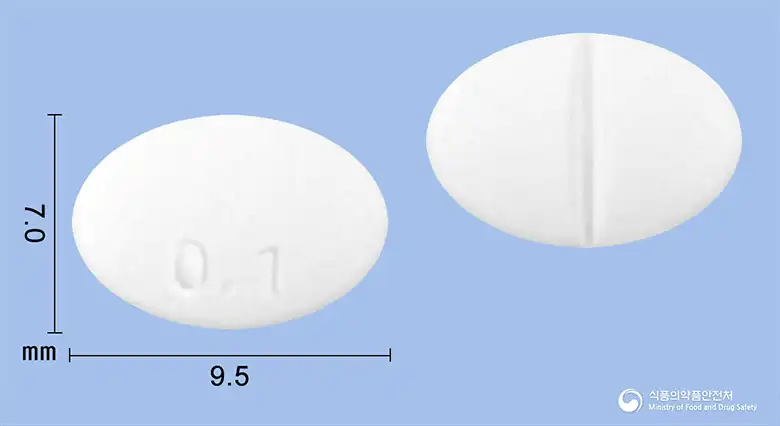
Desmopressin Acetate 0.1mg
Tablet · Prescription medication
Korea Ferring Pharmaceuticals Co., Ltd.
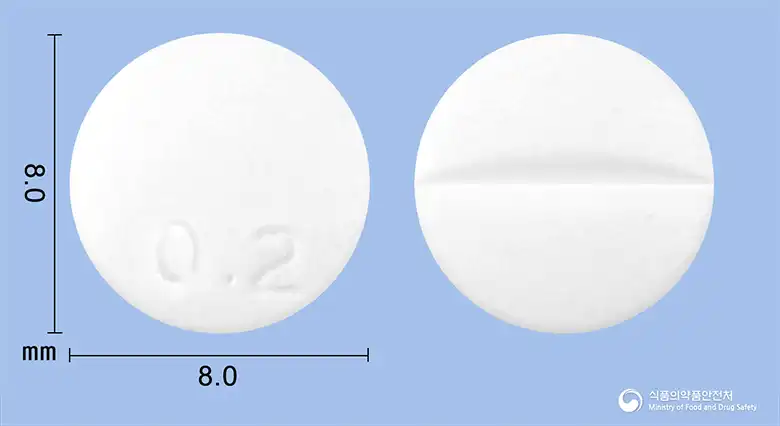
Desmopressin Acetate 0.2mg
Tablet · Prescription medication
Korea Ferring Pharmaceuticals Co., Ltd.
Desmopressin Acetate
Prescription medication
Korea Ferring Pharmaceuticals Co., Ltd.
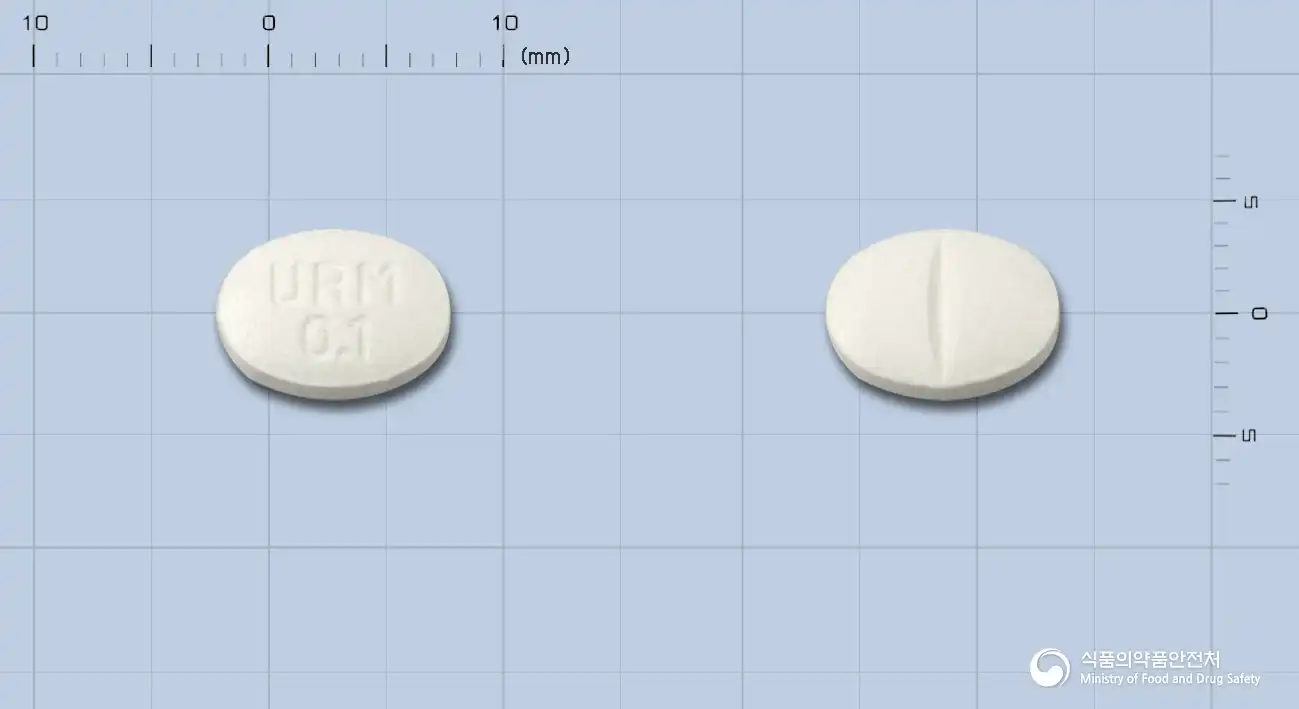
Desmopressin Acetate 0.1mg
Tablet · Prescription medication
Hyundai Pharmaceutical Co., Ltd.
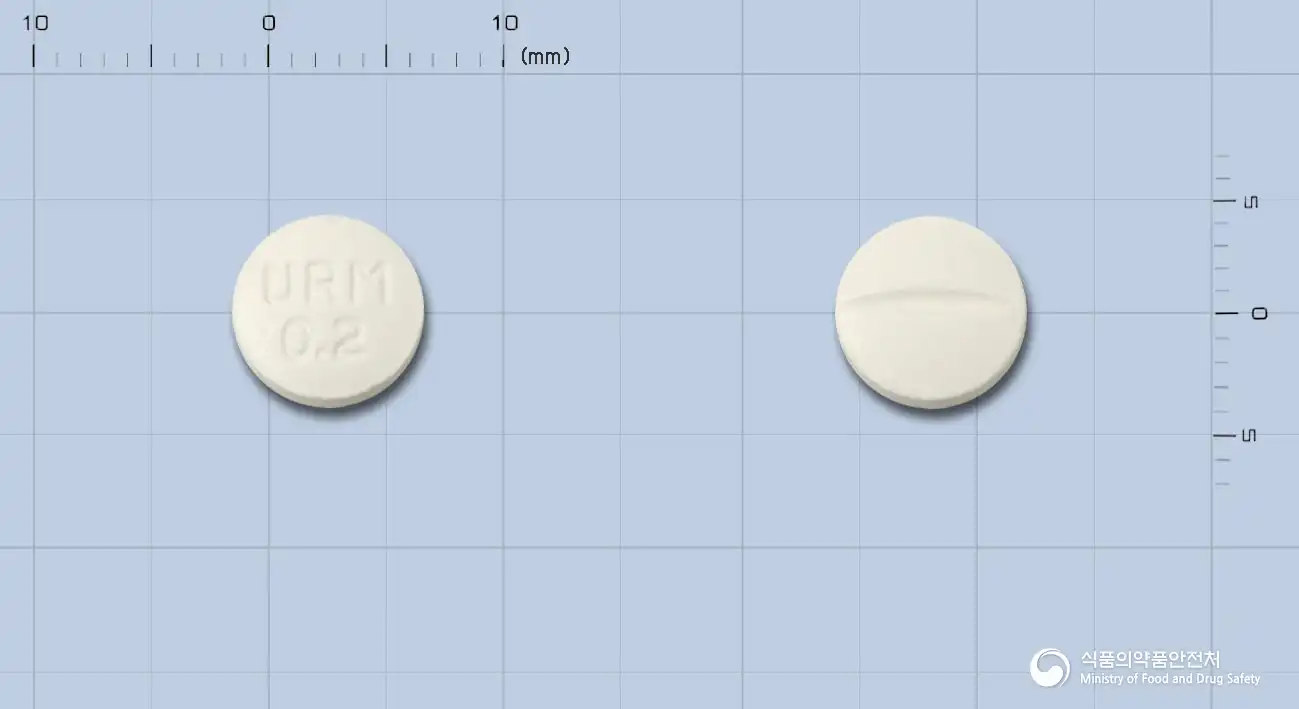
Desmopressin Acetate 0.2mg
Tablet · Prescription medication
Hyundai Pharmaceutical Co., Ltd.
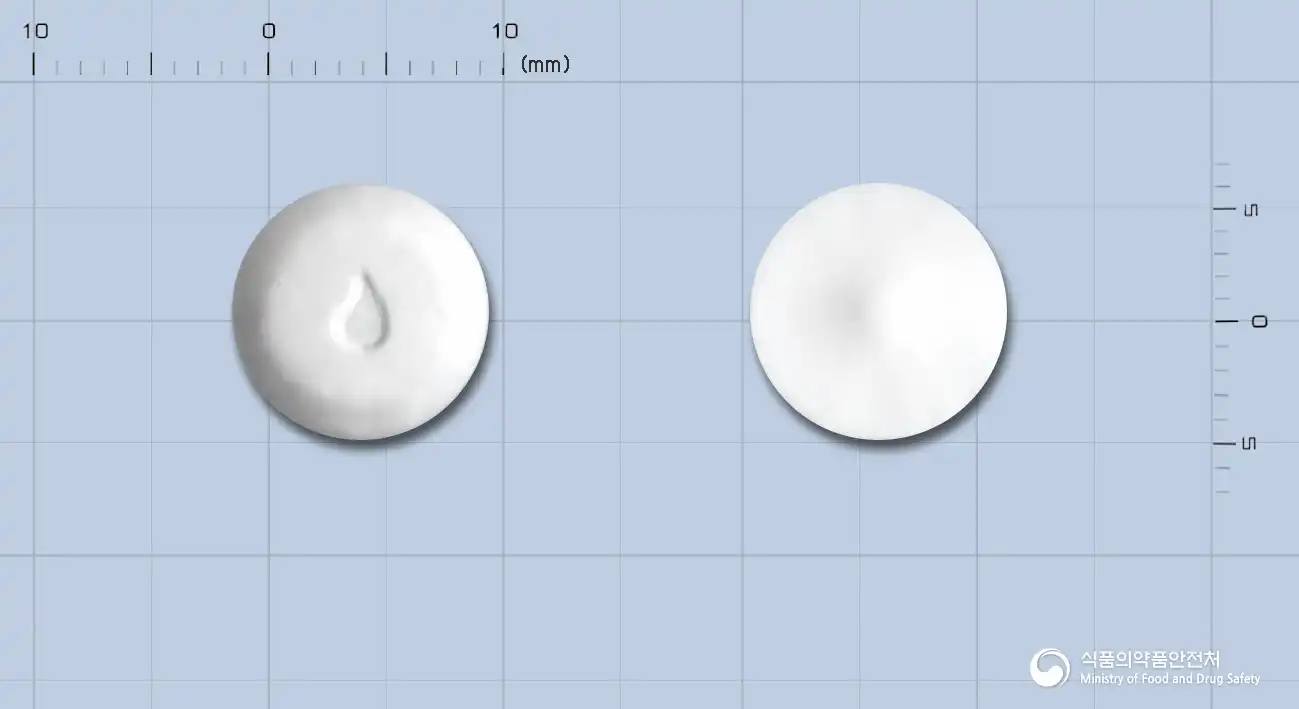
Desmopressin Acetate 0.068mg
Sublingual Tablet · Prescription medication
Korea Ferring Pharmaceuticals Co., Ltd.
Even with the same ingredient, the dose and directions can differ by strength and dosage form. Talk to a doctor or pharmacist before switching from a medication you are already taking.
No questions yet.
For anything that needs medical judgment, consult a doctor or pharmacist.
This drug information is based on data provided by the Korea Ministry of Food and Drug Safety.
Consult a doctor or pharmacist for accurate dosage, administration, and usage instructions.