
 한국어
 English
 日本語
 中文(简体)
 Viewing now
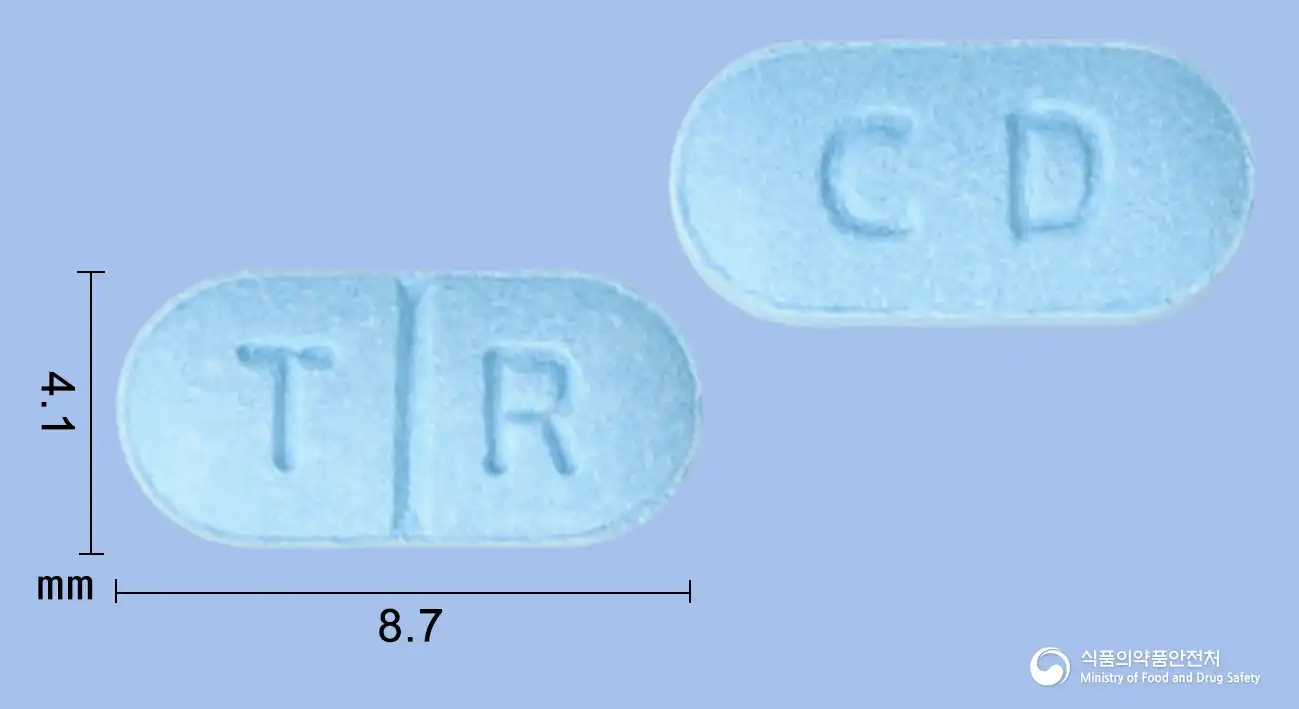
Tracinon Tablet 1 mg (Triamcinolone)
Triamcinolone 1mg
Tablet · Prescription medication
Chodang Pharmaceutical Industry Co., Ltd.
MFDS item code 199401972 · Notified 1994.10.01 · Insurance code 670701080
Treatment of immune and inflammatory diseases, systemic diseases (including endocrine and hematologic disorders), severe infections, and conditions related to surgery
This medication is used for various endocrine disorders, connective tissue diseases, allergic diseases, neurological and renal diseases, blood disorders, gastrointestinal diseases, severe infections, metabolic disorders, skin diseases, ophthalmic diseases, surgical-related issues, and gynecological diseases. Major conditions treated include hyperthyroidism, rheumatoid arthritis, bronchial asthma, myelitis, nephrotic syndrome, purpura, ulcerative colitis, tuberculous meningitis, atopic dermatitis, allergic conjunctivitis, among others. This drug is used to effectively improve various complex symptoms and inflammatory diseases.
Adults: Administer 8 ~ 16 mg of triamcinolone daily orally in 3 ~ 4 divided doses (as symptoms improve, reduce by 2 mg every 2 ~ 3 days to the minimum effective maintenance dose).
This medication should not be administered to certain patients. For example, patients who are allergic to this drug or its components, patients with infections for which effective antibiotics are not available, and patients with herpes simplex, herpes zoster, or chickenpox should not take this medication. Additionally, patients with lactose intolerance or certain genetic issues should also avoid this medication. This drug should be used cautiously in some patients. For example, patients with cataracts, hypertension, electrolyte disorders, thrombosis, peptic ulcer, schizophrenia, osteoporosis, glaucoma, diabetes, renal failure, liver cirrhosis, severe myasthenia gravis, and older adults should be particularly cautious when using this medication. This medication can suppress immune function, so infections may worsen; thus, careful administration to infected patients is also required. During the course of taking this medication, various side effects may occur, so symptoms should be closely monitored. For example, increased risk of infection, elevated blood sugar, gastrointestinal issues, neurological disturbances, osteoporosis, edema, increased blood pressure, ocular issues, skin abnormalities, and blood disorders may occur. In particular, during the course of taking this medication, care should be taken to avoid exposure to infections like chickenpox or measles, vaccination records should be confirmed, and immediate medical consultation should be sought in case of suspected infection. When taking for a long period, abrupt cessation may result in serious symptoms such as adrenal suppression; therefore, the dose should be gradually reduced, and in case of trauma, surgery, or infection, the dose may need to be temporarily increased. This medication can interact with several other medications, so if other drugs are being taken, it is essential to consult a physician or pharmacist. Special caution is required when used concomitantly with anticonvulsants, antibiotics, diuretics, antihypertensive medications, anticoagulants, etc. Women who are pregnant or may become pregnant should use this medication cautiously, considering the potential impact on the fetus, and it is advisable to avoid taking this medication while breastfeeding. In pediatric patients, side effects such as growth retardation may occur, so the minimum effective dose should be used, and growth status should be closely monitored. Older adults have a higher risk of side effects related to infections, diabetes, osteoporosis, glaucoma, etc., and should take this medication more cautiously.
Not everyone experiences these, and they can vary from person to person.
This medication should be stored in a tightly sealed container to prevent air ingress and kept at room temperature between 1 to 30 degrees Celsius. Proper storage can help maintain the effectiveness of the drug over a long period.
Blue oval tablets
1000 tablets/bottle
Even with the same ingredient, strength, dosage form and how it is taken can differ.
Viewing nowTriamcinolone 1mg
Tablet · Prescription medication
Chodang Pharmaceutical Industry Co., Ltd.
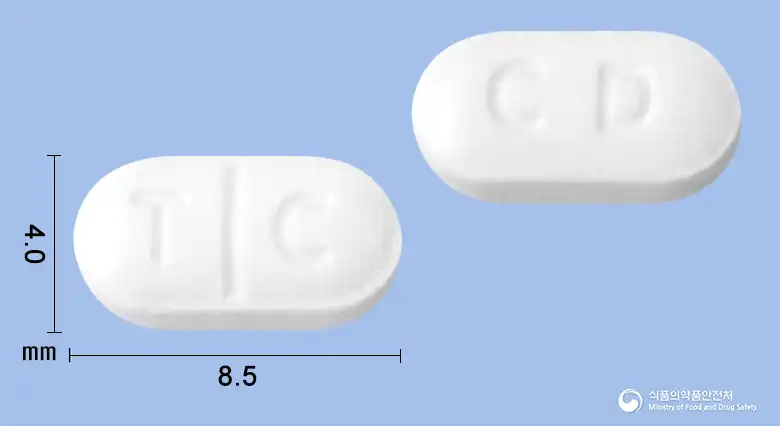
Triamcinolone 4mg
Tablet · Prescription medication
Chodang Pharmaceutical Industry Co., Ltd.
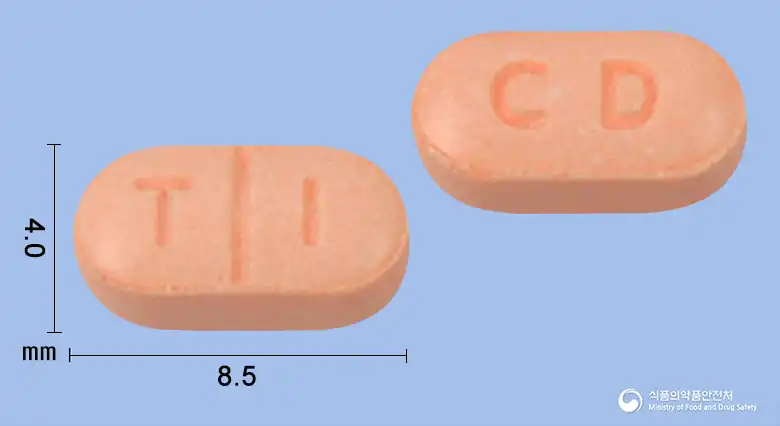
Triamcinolone 2mg
Tablet · Prescription medication
Chodang Pharmaceutical Industry Co., Ltd.
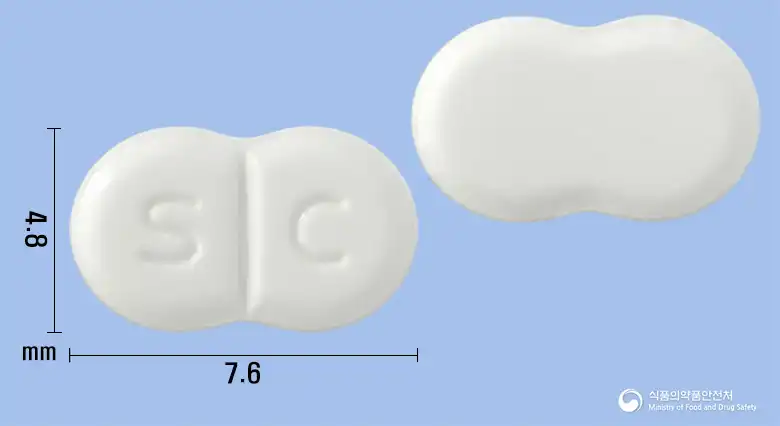
Triamcinolone 4mg
Tablet · Prescription medication
SK Chemicals Co., Ltd.
Even with the same ingredient, the dose and directions can differ by strength and dosage form. Talk to a doctor or pharmacist before switching from a medication you are already taking.
No questions yet.
For anything that needs medical judgment, consult a doctor or pharmacist.
This drug information is based on data provided by the Korea Ministry of Food and Drug Safety.
Consult a doctor or pharmacist for accurate dosage, administration, and usage instructions.