
 한국어
한국어 English
 日本語
日本語 中文(简体)
 Viewing now
Naprofen Tablets (Naproxen Sodium)
Naproxen Sodium 275mg
Tablet · OTC medication
Austin Pharmaceutical Co., Ltd.
MFDS item code 199401319 · Notified 1995.01.04 · Insurance code 654300100
Relief of pain from rheumatoid arthritis, osteoarthritis, and other degenerative joint diseases
This medication is effectively used for inflammatory diseases related to the joints, including rheumatoid arthritis and osteoarthritis. It also aids in the improvement of ankylosing spondylitis, tendonitis, acute gout, and dysmenorrhea. Additionally, it is utilized for various pain conditions such as bursitis, skeletal muscle disorders, postoperative pain, migraine, and pain after tooth extraction. Overall, it relieves inflammation and pain, contributing to reducing patient discomfort and treating symptoms.
1. Rheumatoid arthritis, osteoarthritis, ankylosing spondylitis: The adult dosage of naproxen sodium is administered orally at a single dose of 275-550mg twice daily (every 12 hours). 2. Acute gout: Naproxen sodium is administered orally at a loading dosage of 825mg, and 275mg is given every 8 hours until the attack resolves. 3. Skeletal muscle disorders, postoperative pain, pain after tooth extraction, dysmenorrhea, tendonitis, bursitis: Naproxen sodium is administered orally at a loading dosage of 550mg, followed by 275mg every 6-8 hours. The total daily dose should not exceed 1350mg. 4. Migraine: Naproxen sodium is administered orally at a loading dosage of 825mg. If necessary, an additional 275-550mg can be administered, with the subsequent doses taken 30 minutes after the loading dose. The total daily dose should not exceed 1350mg. Adjust according to age and symptoms.
This medication may cause gastrointestinal bleeding in individuals who regularly consume three or more alcoholic drinks daily, so it must be discussed with a doctor or pharmacist. It may increase the risk of cardiovascular diseases, potentially leading to serious cardiovascular issues like myocardial infarction or stroke, thus requiring caution in patients with cardiovascular diseases or risk factors. It can cause severe gastrointestinal issues such as bleeding, ulcers, and perforation, so particular caution is advised for the elderly or those with a history of gastrointestinal diseases. Patients with peptic ulcers, severe blood disorders, liver dysfunction, heart failure, kidney diseases, hypertension, or allergies to this medication or similar drugs should not take it. Individuals with a history of peptic ulcer, blood disorders, liver dysfunction, kidney dysfunction, heart failure, hypertension, allergies, asthma, autoimmune diseases, or the elderly should use this medication with caution. During the use of this medication, if allergic reactions or symptoms of severe gastrointestinal bleeding, liver or kidney dysfunction, skin rashes, or respiratory distress occur, use should be immediately discontinued, and a doctor should be consulted. This medication may interact with other non-steroidal anti-inflammatory drugs or certain medications, so it is essential to consult healthcare professionals before concurrent use, especially if taking antihypertensives, diuretics, anticoagulants, antiepileptics, lithium, or methotrexate. It is advisable not to take this medication during pregnancy, especially in the later stages, and after 20 weeks of pregnancy, it should only be used at the minimum dosage for a short duration if absolutely necessary, as it may affect fetal kidney function. Women who are breastfeeding should avoid this medication as it can transfer to breast milk and cause side effects in infants. It is preferable not to use this medication in infants under 2 years of age as safety has not been established, and pediatric or elderly patients should be administered the minimum dosage cautiously while monitoring for adverse reactions. This medication can affect platelet function, increasing the risk of bleeding, so caution is needed for patients with bleeding tendencies or on anticoagulants. In cases of overdose, symptoms such as drowsiness, chest discomfort, dyspepsia, nausea, and vomiting may occur, necessitating immediate medical treatment. This medication should be stored out of reach of children, and transferring it to another container may cause quality deterioration or accidents, so caution is advised.
Occasionally, symptoms may include discomfort in the stomach, abdominal pain, nausea, vomiting, loss of appetite, dyspepsia, heartburn, diarrhea, constipation, stomatitis, abdominal bloating, black stools, thirst, rash, itching, agranulocytosis, eosinophilia, leukopenia, thrombocytopenia, aplastic anemia, hemolytic anemia, platelet dysfunction, increased GOT, GPT levels, hepatitis, aseptic meningitis, drowsiness, cognitive impairment, dizziness, headache, numbness of the limbs, loss of libido, fatigue, and urticaria.
Not everyone experiences these, and they can vary from person to person.
This medication should not be taken with other non-steroidal anti-inflammatory drugs, naproxen derivatives, aspirin, or high doses of methotrexate. It may interact with hydantoin antiepileptics, sulfonamides, sulfonylureas, propranolol and other beta-blockers, ACE inhibitors (e.g., captopril), loop diuretics, thiazide diuretics, probenecid, lithium, low-dose methotrexate, and anticoagulants (e.g., warfarin).
This medication should be stored in a sealed container to avoid exposure to air or moisture, preferably at room temperature between 1°C and 30°C. By doing so, the effectiveness of the medication can be maintained for an extended period.
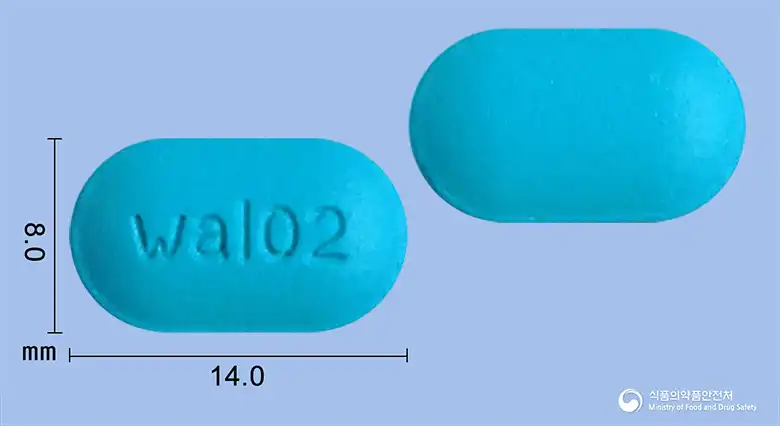
Blue oblong film-coated tablet
10 tablets/box [10 tablets/PTP], 1000 tablets/bottle
Even with the same ingredient, strength, dosage form and how it is taken can differ.
Viewing nowNaproxen Sodium 275mg
Tablet · OTC medication
Austin Pharmaceutical Co., Ltd.

Naproxen Sodium 275mg
Tablet · OTC medication
Jongkundang Co., Ltd.

Naproxen Sodium 275mg
Tablet · OTC medication
Hanin Pharmaceutical Co., Ltd.

Naproxen Sodium 275mg
Tablet · OTC medication
GL Pharma Co., Ltd.

Naproxen Sodium 275mg
Tablet · OTC medication
Myeongin Pharmaceutical Co., Ltd.

Naproxen Sodium 275mg
Tablet · OTC medication
Korea Pharmaceutical Co., Ltd.
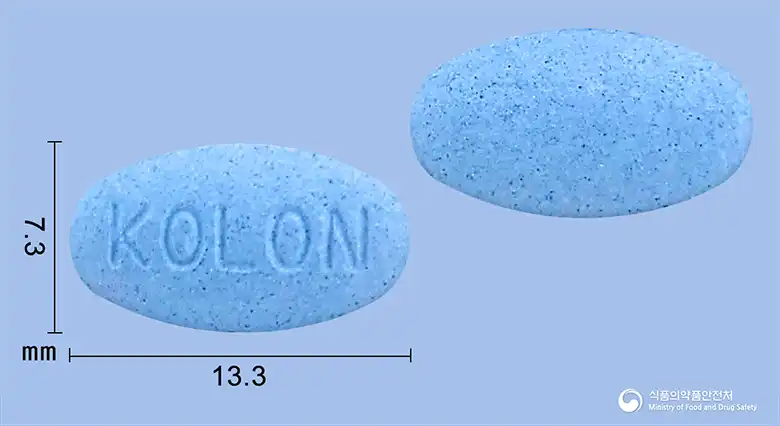
Naproxen Sodium 275mg
Tablet · OTC medication
Kolon Pharmaceutical Co., Ltd.
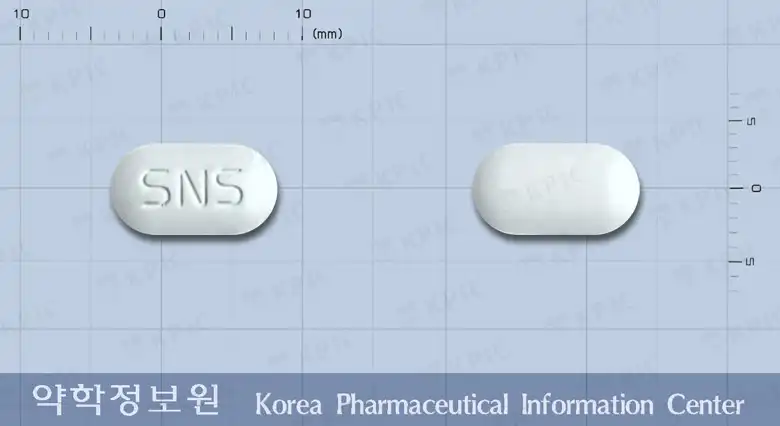
Naproxen Sodium 275mg
Tablet · OTC medication
Youngpoong Pharmaceutical Co., Ltd.
Even with the same ingredient, the dose and directions can differ by strength and dosage form. Talk to a doctor or pharmacist before switching from a medication you are already taking.
No questions yet.
For anything that needs medical judgment, consult a doctor or pharmacist.
This drug information is based on data provided by the Korea Ministry of Food and Drug Safety.
Consult a doctor or pharmacist for accurate dosage, administration, and usage instructions.