
 한국어
 English
 日本語
 中文(简体)
 Viewing now
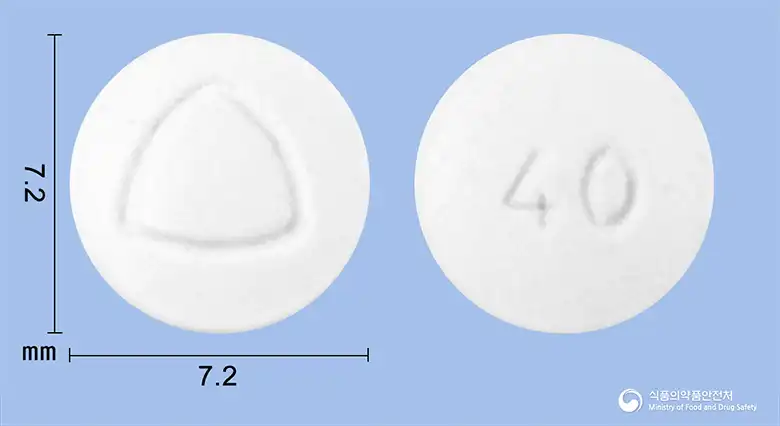
Ilseong Isoptin Tablet 40 milligrams (Verapamil Hydrochloride)
Verapamil Hydrochloride 40mg
Tablet · Prescription medication
Ilseong IS Co., Ltd.
MFDS item code 199400991 · Notified 1994.08.27 · Insurance code 655401570
Treatment of arrhythmia, angina pectoris, and hypertension
This medication is used in oral and injectable forms. The oral form is effective for treating mild to moderate hypertension, including angina, arrhythmias, essential hypertension, and renal hypertension. The injectable form is used to treat acute angina, arrhythmias, and hypertensive emergencies. Each formulation helps regulate vascular and cardiac function appropriate to the condition. Thus, this medication is used to treat heart-related diseases and hypertension.
(Oral: tablets) Adults: Administer 40-80㎎ per dose orally 3 times daily as verapamil hydrochloride. Adjust the dose appropriately according to age and symptoms. (Oral: extended-release tablets/capsules) Adults: Administer an initial dose of 180㎎ or 240㎎ once daily orally with breakfast as verapamil hydrochloride. If the effect is inadequate, the dose may be divided into 2 doses daily (morning and evening) as prescribed by a physician, within the maximum daily dose of 480㎎ of this medicine. Adjust the dose appropriately according to age and symptoms. (Injection) Adults: Administer 5-10㎎ per dose slowly by intravenous injection as verapamil hydrochloride. The dose may be repeated as needed. Adjust the dose appropriately according to age and symptoms.
This medication should not be administered to patients with heart function issues or specific heart diseases. For example, patients with severely weakened congestive heart failure, patients with problems in cardiac electrical signal transmission, and patients with very low blood pressure may be at risk if they take this medication. Women who are pregnant or may become pregnant should avoid using this medication, and patients with acute myocardial infarction should also refrain from using it. Additionally, individuals allergic to this medication or its components should not take it. Patients with bradycardia (a very slow heart rate) or mild atrioventricular block, as well as those with impaired liver or kidney function, should use this medication with caution. Patients with severely impaired liver function may need to reduce the dosage, and those with reduced kidney function should be monitored closely during administration. Patients with neuromuscular transmission disorders, such as myasthenia gravis, may require dosage adjustments as this medication can further weaken the signaling between nerves and muscles. Patients with low blood pressure must be cautious when using this medication. During treatment with this medication, cardiac-related side effects may occur; therefore, regular ECG monitoring is necessary. Rarely, pulmonary edema, decreased heart rate, hypotension, edema, digestive discomfort, and allergic reactions may occur. Sudden discontinuation of this medication may worsen symptoms, so it should not be stopped without a doctor’s guidance, especially in heart failure patients who must be administered after careful control with digitalis or diuretics. This medication may interact with various other drugs; therefore, if you are taking other medications, you must inform your doctor or pharmacist. Attention is particularly needed when taken in conjunction with cardiovascular drugs, anticoagulants, antibiotics, antifungals, antivirals, neuromuscular blockers, and antihypertensives. Women who are pregnant or breastfeeding should avoid taking this medication, and breastfeeding should be discontinued during treatment. The safety and effectiveness in children under 18 years have not been sufficiently established, so its use is not recommended. Elderly individuals often experience more side effects due to decreased physical function, so dosage adjustment and careful monitoring are required. In case of overdose, hypotension, decreased heart rate, and coma may occur, and emergency treatment may be necessary. This medication is not removed by hemodialysis, so long-term observation may be needed. Finally, this medication requires caution when driving or operating machinery. Reaction times may slow down, especially during the initial treatment, dose changes, or when combined with alcohol.
Pulmonary edema, atrioventricular block (1st, 2nd, 3rd degree), hypotension, bradycardia, cardiac arrest, peripheral edema, tachycardia, palpitations, flushing, rash, constipation, nausea, vomiting, loss of appetite, intestinal obstruction, gum swelling, abdominal pain, abdominal discomfort, allergic reactions, elevated AST, elevated ALT, increased serum prolactin, decreased serum luteinizing hormone, decreased serum testosterone concentration, fatigue, dyspnea, angina, atrioventricular dissociation, chest pain, claudication, myocardial infarction, purpura, syncope, diarrhea, dry mouth, gastrointestinal intolerance, petechial hemorrhage, contusion, cerebrovascular damage, confusion, balance disorder, insomnia, muscle cramps, psychotic symptoms, drowsiness, headache, dizziness, sensory disturbances, agitation, tremor, arthralgia, urticaria, hair loss, hyperkeratosis, sweating, erythema multiforme, angioedema, macules, urticaria, skin and mucous membrane syndrome, papular rash, pruritus, blurred vision, muscle weakness, myalgia, increased urination, pinpoint menstruation, gynecomastia, incontinence, erectile dysfunction, renal failure, vertigo, hyperkalemia, hyperglycemia, confusion, metabolic acidosis, acute respiratory distress syndrome
Not everyone experiences these, and they can vary from person to person.
This medication should be stored at room temperature between 1 and 30 degrees Celsius, preferably kept in a dark place to avoid direct light exposure.
White round film-coated tablet
30 Tablets/bottle, 250 Tablets/bottle
Even with the same ingredient, strength, dosage form and how it is taken can differ.
Viewing nowVerapamil Hydrochloride 40mg
Tablet · Prescription medication
Ilseong IS Co., Ltd.
Verapamil Hydrochloride 5mg
Prescription medication
Ilseong IS Co., Ltd.
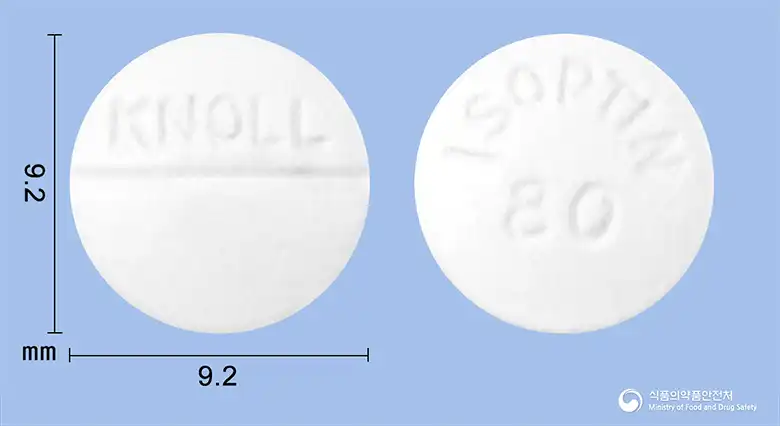
Verapamil Hydrochloride 80mg
Tablet · Prescription medication
Ilseong IS Co., Ltd.
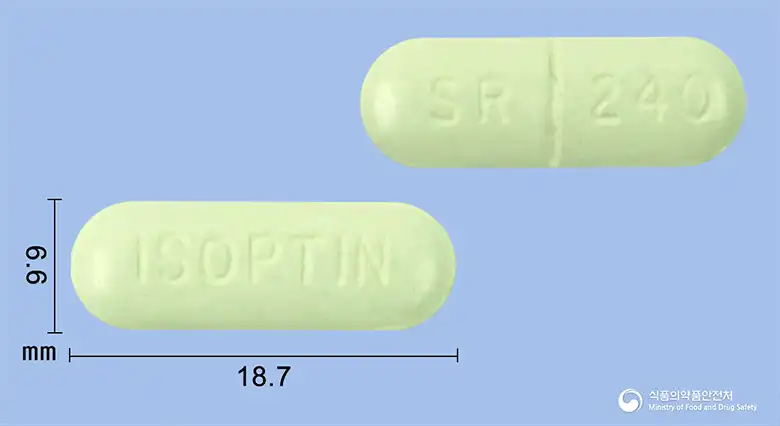
Verapamil Hydrochloride 240mg
Tablet · Prescription medication
Ilseong IS Co., Ltd.
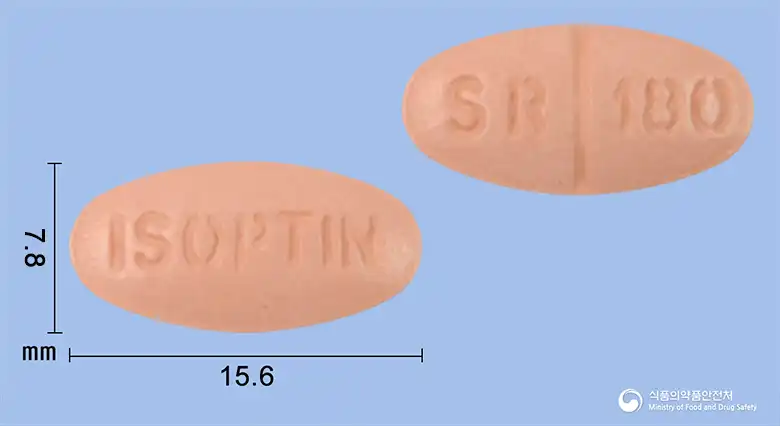
Verapamil Hydrochloride 180mg
Tablet · Prescription medication
Ilsung IS Co., Ltd.
Even with the same ingredient, the dose and directions can differ by strength and dosage form. Talk to a doctor or pharmacist before switching from a medication you are already taking.
No questions yet.
For anything that needs medical judgment, consult a doctor or pharmacist.
This drug information is based on data provided by the Korea Ministry of Food and Drug Safety.
Consult a doctor or pharmacist for accurate dosage, administration, and usage instructions.