
 한국어
 English
 日本語
 中文(简体)
Dosage form image
Viewing nowIlseong Isovint Injection (Verapamil Hydrochloride)
Verapamil Hydrochloride 5mg
Prescription medication
Ilseong IS Co., Ltd.
MFDS item code 199400989 · Notified 1994.08.27 · Insurance code 655401591
Treatment of arrhythmia and angina pectoris
This drug is primarily used for angina and arrhythmia.
Adults: Administer 5 〜 10 mg per dose slowly by intravenous injection as verapamil hydrochloride. The dose may be repeated as needed. Adjust the dose appropriately according to symptoms.
This drug may contain glass fragments from the injection container; thus, caution should be taken to avoid glass fragmentation when cutting the container, especially when used in children or the elderly. Slow intravenous administration must be done while continuously monitoring ECG and blood pressure. The injection speed should be proceeded slowly over at least 2 minutes. This drug may cause temporary and asymptomatic blood pressure reduction, which may lead to dizziness; thus, caution is advised. Severe bradycardia or asystole, where heart rate slows down or stops, can occur rarely, hence special caution is needed for elderly patients or those with poor cardiac function. This drug can prolong cardiac conduction time, which may present with symptoms of heart block, such as AV block; therefore, actions such as reducing the drug dosage or stopping administration are necessary if such symptoms occur. Patients with heart failure should have their cardiac function adequately managed before the administration of this drug, and caution should be exercised when using it in patients with severe heart failure due to potential rapid exacerbation of symptoms. When combined with other heart-related medications, cardiac rhythm abnormalities or blood pressure reduction may occur due to interactions, so close monitoring of the patient is required during combined administration. This drug should not be administered to patients with severe hypotension, marked bradycardia, cardiac conduction disorders, heart failure, acute myocardial infarction, pregnant women, or atrial fibrillation accompanied by conduction disorders. Administration should be done carefully in patients with hypotension, first-degree AV block, congestive heart failure, severe liver or kidney failure, or neuromuscular disorders, and their condition should be closely monitored during administration. This drug can cause various side effects, so if symptoms such as dizziness, fatigue, nausea, blood pressure reduction, or cardiac rhythm abnormalities occur, medical consultation should be sought immediately. During administration, ECG and blood pressure should be monitored frequently, and if bradycardia or significant blood pressure reduction occurs, the drug dosage should be reduced or stopped. This drug can interact with multiple other medications, so patients taking other drugs should inform their healthcare provider, especially when used with antiarrhythmics, beta-blockers, antihypertensives, anticoagulants, etc., caution is needed. Pregnant or breastfeeding women should avoid using this drug; if it must be used, breastfeeding should be discontinued. Children, especially newborns and infants, are sensitive to this drug, and serious side effects such as cardiac arrest can occur, so extreme caution should be exercised during administration. Elderly patients have diminished bodily functions, resulting in a higher risk of side effects; thus, dosages should be adjusted and their conditions closely observed. In cases of overdose, severe hypotension, cardiac rhythm abnormalities, and coma may occur, requiring immediate medical intervention. Treatment may include pacemaker use or the administration of vasopressors.
Hypotension, dizziness, bradycardia, asystole, 2nd and 3rd degree heart block, severe bradycardia, cardiac arrest, ventricular premature contraction, loss of contraction, ventricular tachycardia, bundle branch block, sinus block, nausea, abdominal distension, constipation, vomiting, abdominal discomfort, thirst, intestinal obstruction, elevated AST, elevated ALT, increased serum prolactin, decreased serum luteinizing hormone, decreased serum testosterone levels, fatigue, nervousness, dizziness, sensory abnormalities, neuropathy, tremors, headache, extrapyramidal symptoms, facial warmth, erythema, itching, urticaria, rash, angioedema, Stevens-Johnson syndrome, photodermatitis, muscle fatigue, arthralgia, myalgia, muscle weakness, exacerbation of myasthenia gravis, myasthenic syndrome, progression of Duchenne muscular dystrophy, tinnitus, bronchospasm, respiratory failure, renal failure, erectile dysfunction, hyperkalemia, chest pain, a sense of intoxication, depression, oculogyric crisis, sweating, drowsiness, acute generalized exanthematous pustulosis, erythema multiforme, sweating, seizures, itching, urticaria, bronchospasm
Not everyone experiences these, and they can vary from person to person.
This drug should be stored in a sealed container to avoid contact with air. It is also advisable to store it at room temperature away from direct sunlight.
A colorless and transparent liquid in a brown ampoule.
2mL X 10 ampoules / box
Even with the same ingredient, strength, dosage form and how it is taken can differ.
Verapamil Hydrochloride 5mg
Prescription medication
Ilseong IS Co., Ltd.
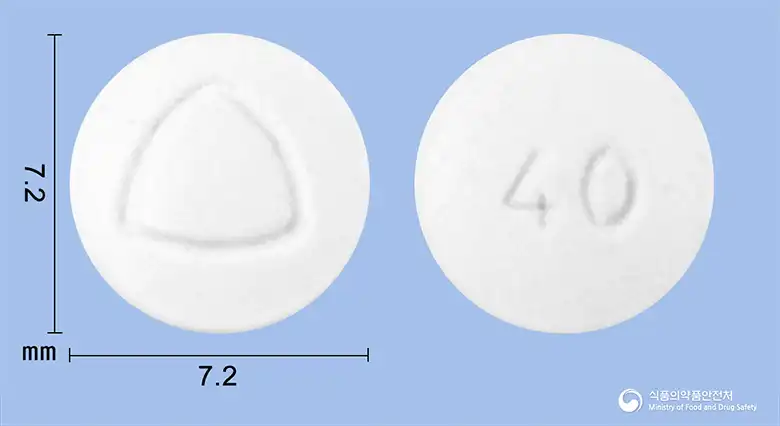
Verapamil Hydrochloride 40mg
Tablet · Prescription medication
Ilseong IS Co., Ltd.
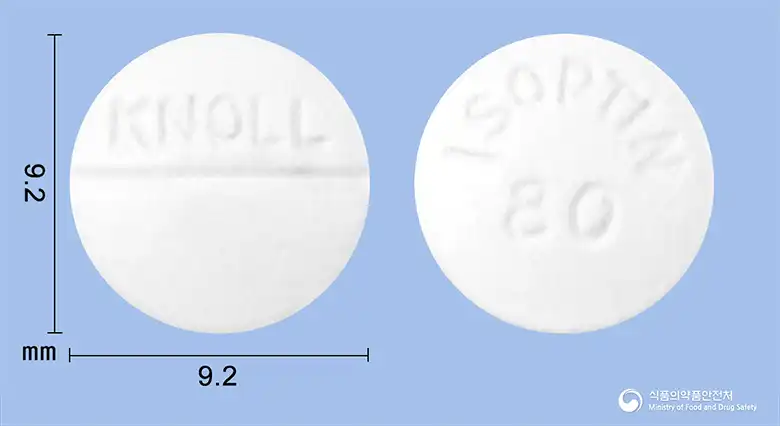
Verapamil Hydrochloride 80mg
Tablet · Prescription medication
Ilseong IS Co., Ltd.
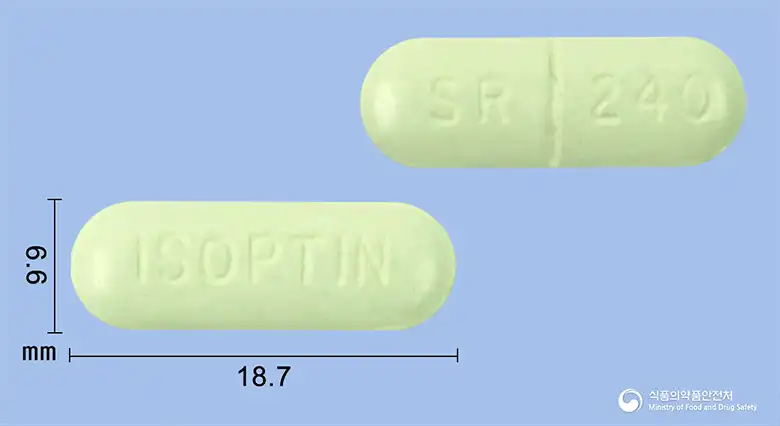
Verapamil Hydrochloride 240mg
Tablet · Prescription medication
Ilseong IS Co., Ltd.
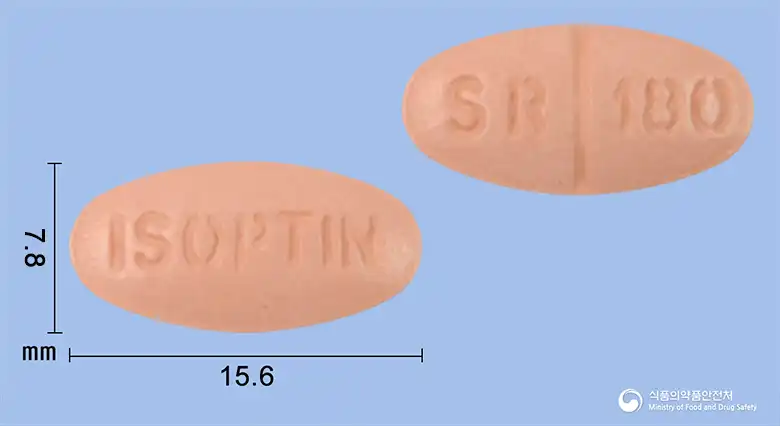
Verapamil Hydrochloride 180mg
Tablet · Prescription medication
Ilsung IS Co., Ltd.
Even with the same ingredient, the dose and directions can differ by strength and dosage form. Talk to a doctor or pharmacist before switching from a medication you are already taking.
No questions yet.
For anything that needs medical judgment, consult a doctor or pharmacist.
This drug information is based on data provided by the Korea Ministry of Food and Drug Safety.
Consult a doctor or pharmacist for accurate dosage, administration, and usage instructions.