
 한국어
 English
 日本語
 中文(简体)
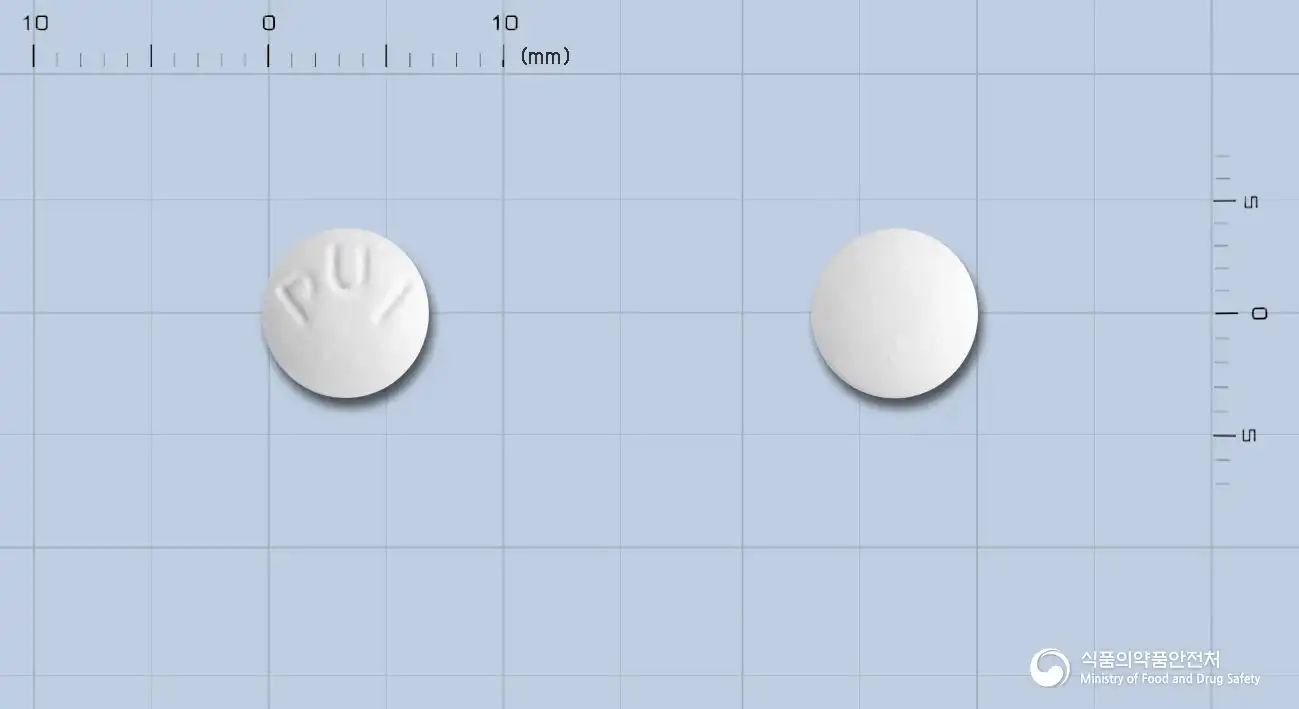 Viewing now
Durok Tablet 100 mg (Hydroxychloroquine Sulfate)
Hydroxychloroquine Sulfate 100mg
Tablet · Prescription medication
Korea PMG Pharmaceutical Co., Ltd.
MFDS item code 199400950 · Notified 1994.07.18 · Insurance code 697100390
Treatment and prevention of autoimmune diseases (e.g., arthritis and lupus), photosensitive skin disorders, and malaria
The first medication is used for autoimmune inflammatory diseases such as rheumatoid arthritis, juvenile idiopathic arthritis, and systemic lupus erythematosus, and is particularly helpful for photosensitive skin diseases that accompany skin hypersensitivity reactions. The second medication is effective for the treatment and prevention of malaria caused by various species of protozoa. These medications are used to alleviate joint and immunological inflammation, as well as to prevent and treat malaria infections.
1. Rheumatoid arthritis, discoid and systemic lupus erythematosus, and photosensitive skin diseases The initial dose is 200~400mg per day; if administering 400mg, divide the dose. Once an effect is observed, reduce the dose to 200mg per day; if the effect is inadequate, increase it to 400mg per day. The maintenance dose should be the minimum effective dose and must not exceed 6.5mg/kg/day. 2. Malaria 1) Treatment For treatment of acute disease, administer 800mg initially, followed by 400mg 3 more times at 6∼8-hour intervals, for a total of 2g over 2 days. For treatment of acute disease caused by Plasmodium falciparum or Plasmodium vivax, a single dose of 800mg may also be administered. 2) Prevention Starting 2 weeks before exposure, administer 6mg/kg once weekly (usually 400mg once weekly). * It may take several weeks for this medicine to take effect, whereas adverse reactions may occur sooner. * If there is no improvement in symptoms of rheumatoid arthritis, discoid or systemic lupus erythematosus after taking this medicine for 6 months, discontinue it. * When used for photosensitive diseases, administer only when exposure to substantial amounts of light is expected.
1. Rheumatoid arthritis, juvenile rheumatoid arthritis, discoid and systemic lupus erythematosus, and photosensitive skin diseases The usual average daily dose is 200∼400mg. The maintenance dose should be the minimum effective dose and must not exceed 6.5mg/kg/day; it must not exceed the adult dose regardless of body weight. 2. Malaria 1) Treatment Administer 10mg/kg of chloroquine initially, followed by 5mg/kg 3 more times at 6-8-hour intervals, for a total of 25mg/kg over 2 days. However, the adult dose must not be exceeded. 2) Prevention Starting 2 weeks before exposure, administer 6mg/kg once weekly. For children weighing 30∼40kg or less, even 1 tablet (200mg) exceeds the appropriate dose; therefore, administration is not recommended.
This medication should not be administered to certain patients. For example, it should not be used by those with allergies to this drug or similar compounds, those already suffering from maculopathy, those taking drugs that cause visual impairment, children requiring long-term treatment, or those who are pregnant or breastfeeding. In addition, caution should be exercised when using this medication in individuals with a history of quinine allergy, psoriasis, liver disease, renal disease, severe gastrointestinal disorders, severe neurological diseases, blood disorders, or porphyria. This medication can cause various ocular abnormalities. Symptoms such as blurred vision or retinal issues may occur, which may improve upon discontinuation of the drug initially, but ignoring these symptoms can lead to serious damage. Therefore, if any eye-related symptoms occur, usage should be immediately halted and a physician consulted. Skin reactions such as rashes, hives, and hair loss may occur, and in rare cases, serious skin reactions may develop, so any unusual symptoms should be reported immediately. Gastrointestinal effects may include nausea, diarrhea, loss of appetite, and abdominal pain, but symptoms usually resolve upon reducing or discontinuing the medication. Central nervous system and neuromuscular effects may include fatigue, headaches, hallucinations, and muscle weakness, necessitating caution. Blood-related side effects may include anemia or leukopenia, which occur rarely, thus regular blood tests are necessary. Cardiac side effects such as arrhythmias or cardiomyopathy may occur, so those with heart disease should be particularly careful. Liver function abnormalities have also been reported, necessitating regular monitoring of liver health. While taking this medication, ophthalmologic exams should be performed every 3 to 6 months, particularly in patients taking high doses, cumulative doses, elderly patients, or those with renal impairment, and more frequent monitoring may be required. If visual impairment occurs, usage should be immediately discontinued and the condition observed, while care should be taken when driving or operating machinery. Patients with compromised liver or renal functions should have their serum drug concentrations monitored, and dosage adjustments may be necessary. Regular blood tests and muscle function tests should be conducted, and if abnormalities are found, the medication should be discontinued. This medication is not effective against specific infections, thus it should not be used for preventive purposes. During treatment, severe skin reactions, mental health issues, or suicidal thoughts may emerge, thus immediate consultation with a physician is required if such symptoms are present. During pregnancy or breastfeeding, it should not be used as it can be harmful to the fetus and infant. In case of overdose, serious side effects may occur, and immediate emergency treatment is required, including vomiting, gastric lavage, or drug administration. This medication may interact with other drugs, so patients must inform their physician or pharmacist of any other medications being taken. Finally, it is safest to store this medication out of reach of children and not to transfer it to another container.
Visual disturbances, retinal abnormalities, decreased corneal sensitivity, corneal opacity, retinopathy, visual impairment, scotomas, halos, photophobia, skin rash, urticaria, pigment changes in the skin and mucous membranes, hair discoloration, alopecia, vesicular rash, erythema multiforme, mucocutaneous syndrome, photosensitivity reactions, exfoliative dermatitis, Sweet's syndrome, severe skin adverse reactions, psoriasis flare, acute generalized pustular psoriasis, DRESS syndrome, nausea, diarrhea, loss of appetite, abdominal pain, epigastric cramps, vomiting, myasthenia, fatigue, cochlear hearing loss, hallucinations, headache, drowsiness, restrictive neurohyperactivity reactions, mood changes, nightmares, tinnitus, dizziness, hearing loss, unstable mood changes, psychosis, seizures, myopathy, neuropathy, perceptual changes, decreased reflexes, abnormal nerve conduction, aplastic anemia, agranulocytosis, leukopenia, thrombocytopenia, bone marrow suppression, QT prolongation, torsades de pointes, ventricular tachycardia, ventricular tachycardia, cardiomyopathy, left ventricular hypertrophy, conduction disorders, abnormal liver function test results, fulminant hepatic failure, hepatocyte damage, cholestatic liver injury, acute hepatitis, mixed hepatocellular/cholestatic liver damage, fulminant liver failure, depression, anxiety, agitation, confusion, delusions, mania, sleep disturbances, weight loss, lethargy
Not everyone experiences these, and they can vary from person to person.
This medication should be stored in a tightly closed container to avoid exposure to air or moisture. It is also advised to keep it at room temperature between 1°C and 30°C. Avoid storing it in excessively hot or cold environments to help maintain its effectiveness.
White round film-coated tablet
30 tablets/bottle, 500 tablets/bottle
Even with the same ingredient, strength, dosage form and how it is taken can differ.
Viewing nowHydroxychloroquine Sulfate 100mg
Tablet · Prescription medication
Korea PMG Pharmaceutical Co., Ltd.
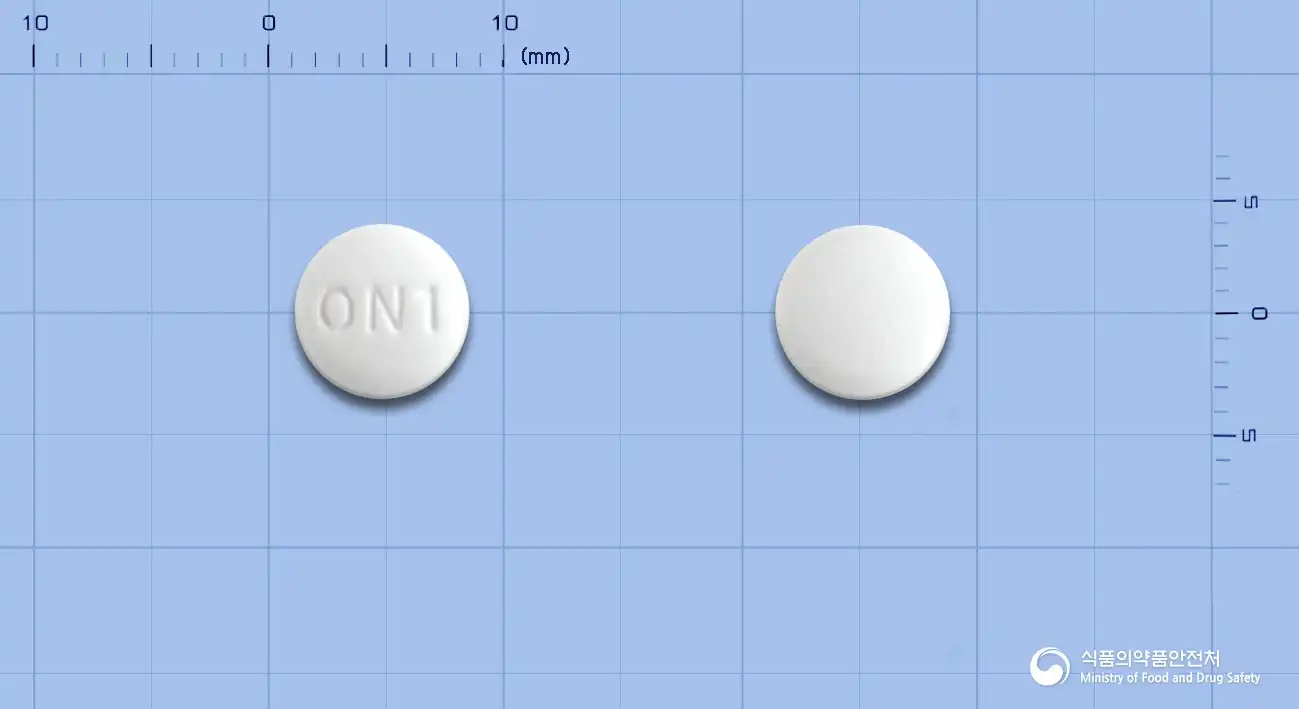
Hydroxychloroquine Sulfate 100mg
Tablet · Prescription medication
Elliott Pharmaceutical Co., Ltd.
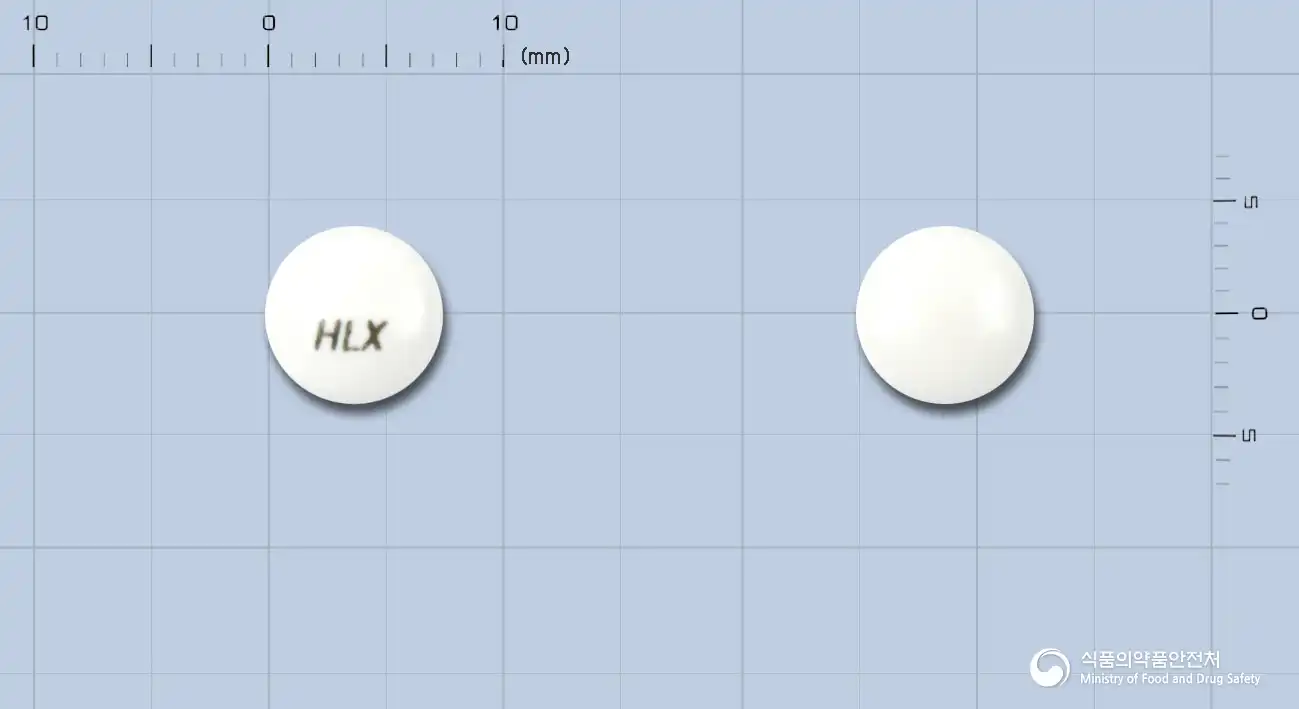
Hydroxychloroquine Sulfate 100mg
Prescription medication
Hanlim Pharmaceutical Co., Ltd.
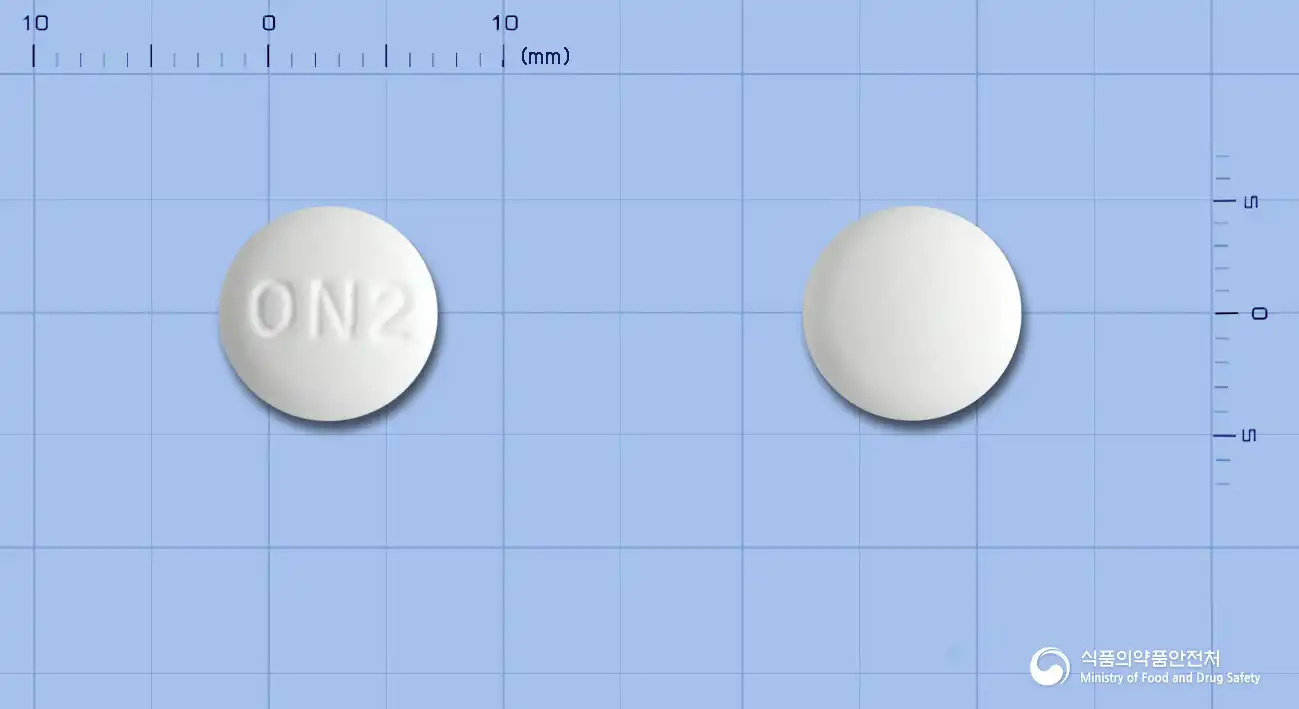
Hydroxychloroquine Sulfate 200mg
Tablet · Prescription medication
Elliott Pharmaceutical Co., Ltd.
Hydroxychloroquine Sulfate
Prescription medication
Unimed Pharmaceutical Co., Ltd.
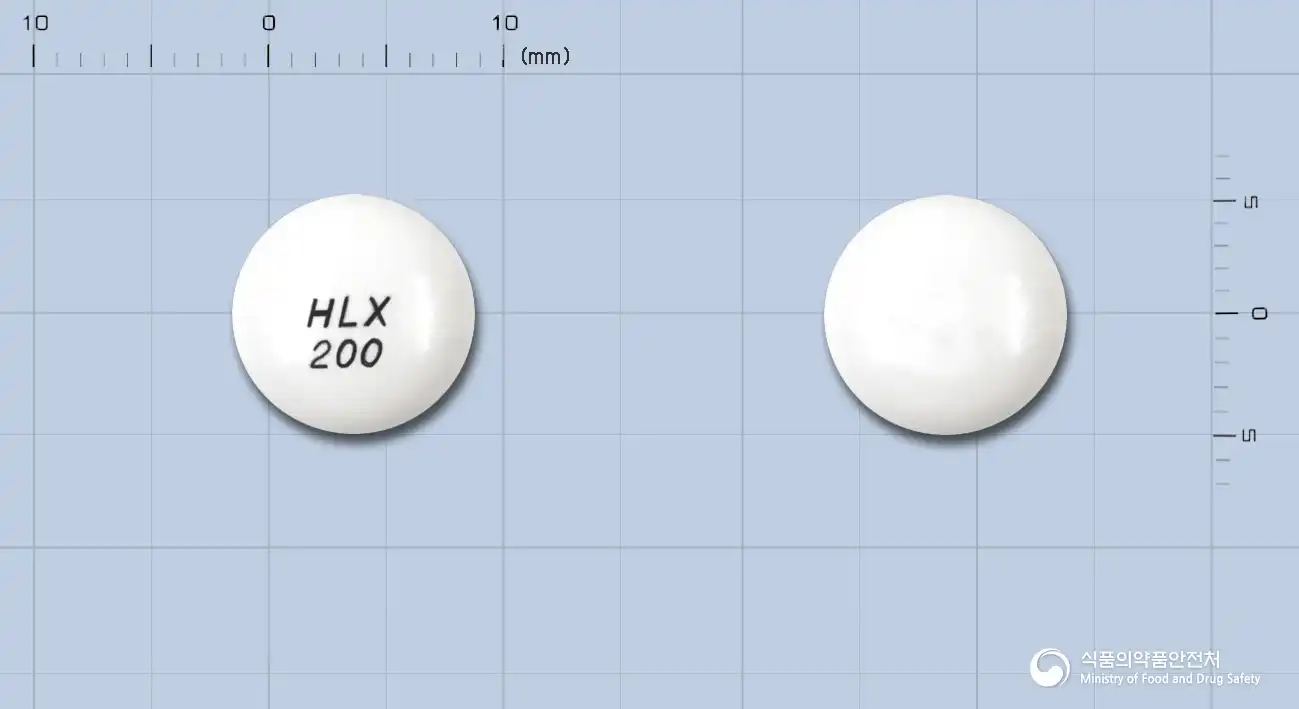
Hydroxychloroquine Sulfate 200mg
Prescription medication
Hanlim Pharmaceutical Co., Ltd.
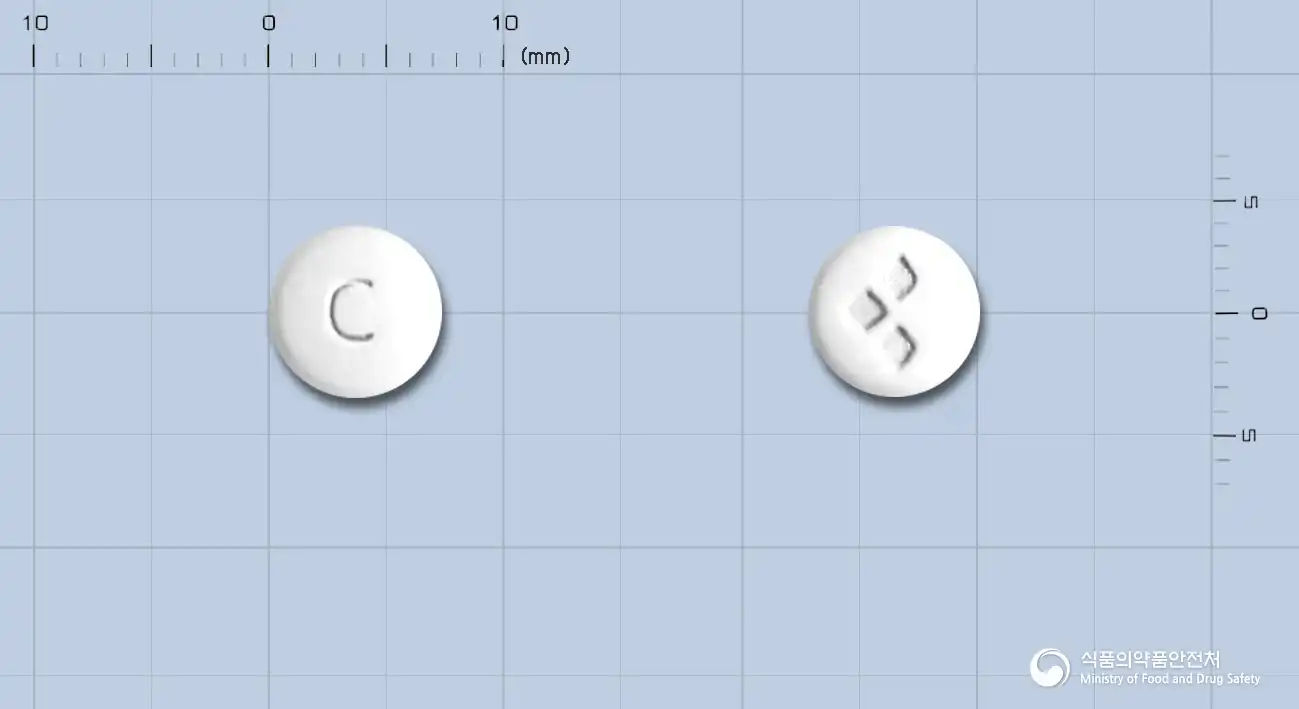
Hydroxychloroquine Sulfate 100mg
Tablet · Prescription medication
Myungjin Pharmaceutical Co., Ltd.
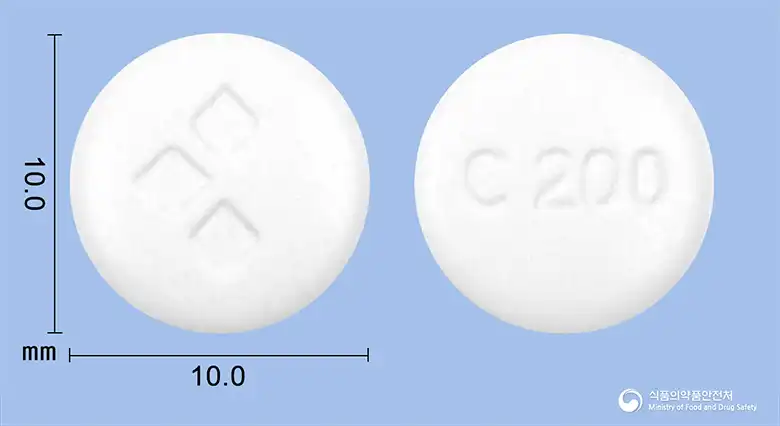
Hydroxychloroquine Sulfate 200mg
Tablet · Prescription medication
Myungjin Pharmaceutical Co., Ltd.
Even with the same ingredient, the dose and directions can differ by strength and dosage form. Talk to a doctor or pharmacist before switching from a medication you are already taking.
No questions yet.
For anything that needs medical judgment, consult a doctor or pharmacist.
This drug information is based on data provided by the Korea Ministry of Food and Drug Safety.
Consult a doctor or pharmacist for accurate dosage, administration, and usage instructions.