
 한국어
 English
 日本語
 中文(简体)
Dosage form image
Viewing nowBetak Tablet (Betaxolol Hydrochloride)
Betaxolol Hydrochloride 20mg
Tablet · Prescription medication
Jinyang Pharmaceutical Co., Ltd.
MFDS item code 199400946 · Notified 1994.06.18
This product's status changed to Expired on 2024.07.01. It may no longer be sold, so consult a doctor or pharmacist before taking it.
Treatment of essential hypertension and angina pectoris
This medication is used for essential hypertension and angina.
Adults: Administer 10㎎ once daily orally as betaxolol hydrochloride; the dose may be increased to a maximum of 20㎎ per day. Adjust the dose appropriately according to age and symptoms.
This medication should not be abruptly discontinued in patients with angina, as it can cause serious heart problems or sudden death. It should not be administered to patients with cardiac conditions such as bradycardia, atrioventricular block, cardiogenic shock, right heart failure due to pulmonary hypertension, congestive heart failure, diabetes ketoacidosis, metabolic acidosis, or severe hypotension. Additionally, caution should be exercised when administering to patients with asthma, chronic obstructive pulmonary disease, peripheral vascular disease, hyperthyroidism, or liver and kidney dysfunction, and it should be used cautiously in individuals with a family history or risk of heart failure. This medication can primarily cause side effects such as bradycardia, fatigue, dyspnea, and weakness, and abnormal symptoms may appear in various body parts including the heart, nervous system, gastrointestinal tract, and skin, so any abnormal symptoms should prompt immediate consultation with a doctor. When discontinuing the medication, the dosage should be gradually reduced, especially in patients with coronary artery disease, and alternative therapy should be considered to avoid abrupt withdrawal. This medication contains lactose, so it should not be administered to patients with lactose intolerance or related genetic disorders, and caution is advised when driving or operating dangerous machinery due to possible dizziness or fatigue from blood pressure lowering. Pregnant or breastfeeding women are advised to avoid using this medication as it may cause heart and lung-related side effects in newborns. Due to many drug interactions, it is necessary to consult a doctor or pharmacist when taking it together with warfarin, calcium channel blockers, antiarrhythmics, antidepressants, etc., especially it should be avoided with protamine or sultopride. In case of overdose, symptoms such as bradycardia, hypotension, heart failure, and bronchospasm may occur, necessitating immediate medical attention. This medication should be administered cautiously to children and elderly patients, with elderly patients starting at a lower dose and dosing adjusted based on their condition for safety. It should be stored in a tightly closed container away from air and moisture, and kept in its original container to prevent deterioration or misuse. During the use of this medication, depressive symptoms or mood changes may occur, so attention should be paid to mental state changes.
Not everyone experiences these, and they can vary from person to person.
This medication is susceptible to air and moisture, so it must be stored in a tightly closed container. It is advisable to avoid direct sunlight and store it at room temperature.
White round film-coated tablet
30 tablets/bottle, 300 tablets/bottle
Even with the same ingredient, strength, dosage form and how it is taken can differ.
Betaxolol Hydrochloride 20mg
Tablet · Prescription medication
Jinyang Pharmaceutical Co., Ltd.
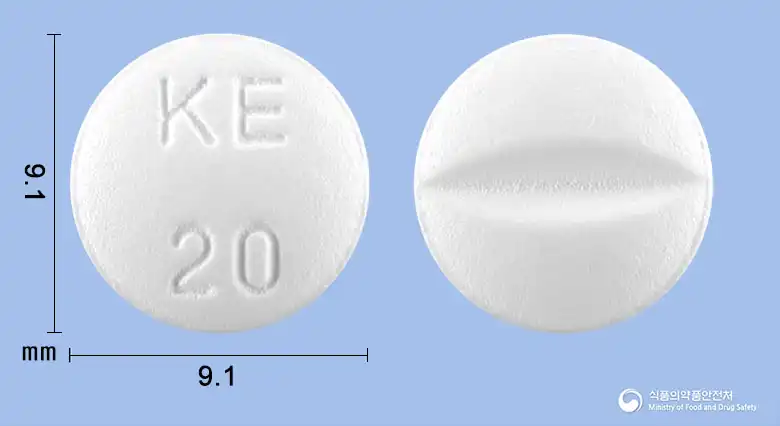
Betaxolol Hydrochloride 20mg
Tablet · Prescription medication
Bukwang Pharmaceutical Co., Ltd.
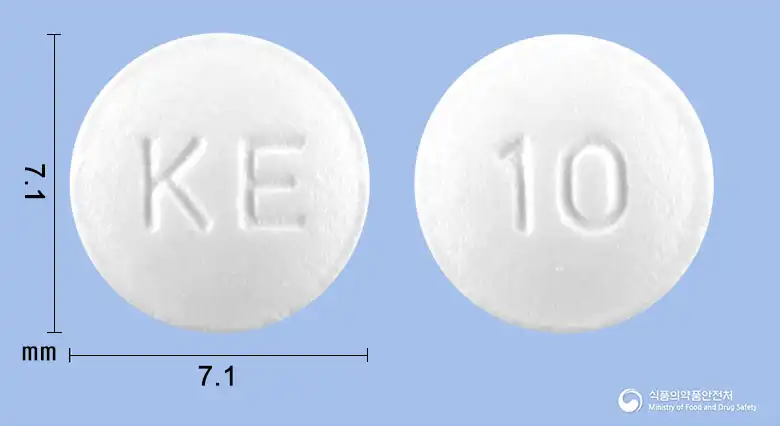
Betaxolol Hydrochloride 10mg
Tablet · Prescription medication
Bukwang Pharmaceutical Co., Ltd.
Betaxolol Hydrochloride 5.6mg
Eye drops · Prescription medication
Korea Novartis Co., Ltd.
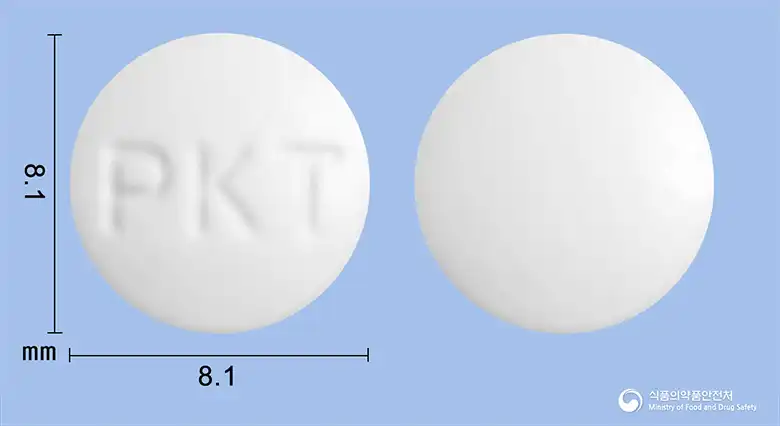
Betaxolol Hydrochloride 20mg
Tablet · Prescription medication
Korea Pavis Pharmaceutical Co., Ltd.
Betaxolol Hydrochloride 2.8mg
Suspension · Prescription medication
Novartis Korea Co., Ltd.
Even with the same ingredient, the dose and directions can differ by strength and dosage form. Talk to a doctor or pharmacist before switching from a medication you are already taking.
No questions yet.
For anything that needs medical judgment, consult a doctor or pharmacist.
This drug information is based on data provided by the Korea Ministry of Food and Drug Safety.
Consult a doctor or pharmacist for accurate dosage, administration, and usage instructions.