
 한국어
 English
 日本語
 中文(简体)
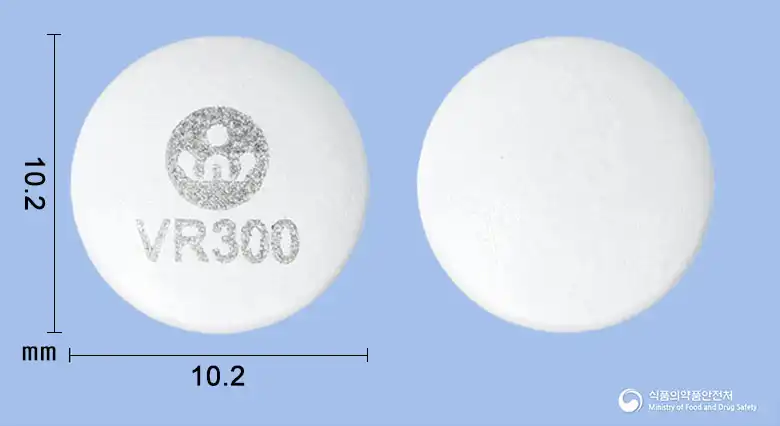 Viewing now
Valproate Sodium Extended Release Tablet
Sodium Valproate 300mg
Tablet · Prescription medication
Hwa In Pharmaceutical Co., Ltd.
MFDS item code 199400905 · Approved 1994.09.15 · Insurance code 657200310
Epilepsy; prevention and treatment of epilepsy-related personality and behavioral disorders; treatment of bipolar mania
This medication is used for the prevention and treatment of epilepsy, including absence seizures (petit mal), partial seizures (focal seizures), complex partial seizures, and mixed seizures, along with related personality and behavioral disorders. It is also utilized for the treatment of manic episodes associated with bipolar disorder. However, for the treatment of mania, long-term use (more than 3 weeks) has not been systematically established for safety and efficacy, thus a physician should assess the utility for each patient to determine the continuation of therapy. This drug helps improve symptoms of epilepsy and bipolar disorder.
1. Prevention and treatment of epilepsy and personality and behavioral disorders following epilepsy Adults: Administer an initial dose of 5-10mg per kg of body weight orally as sodium valproate, increasing or decreasing by 5mg every 4-7 days. The adult maintenance dose is 20mg per kg of body weight per day. Adjust the dose appropriately according to age and symptoms. 2. Treatment of mania associated with bipolar disorder Adults: The average daily dose is 20㎎ per ㎏ of body weight as sodium valproate; adjust the dose according to the clinical response of each patient to achieve a serum sodium valproate concentration of 50~125㎍/㎖. The maximum daily dose is 60 ㎎ per ㎏ of body weight and must not be exceeded.
1. Prevention and treatment of epilepsy and personality and behavioral disorders following epilepsy The daily dose for children is 20-30mg per kg of body weight.
This medication should generally not be used in pregnant women except in special cases. Women of childbearing potential must strictly adhere to a pregnancy prevention program before taking this medication; otherwise, it should not be taken. This drug can cause serious damage to the liver and pancreas, so patients with liver disease or poor liver function should avoid its use. Especially in children under 3 years of age, the risk of liver damage is high, and it should be administered cautiously as a sole treatment. Mental health changes such as suicidal thoughts or behaviors and depression may occur during the use of this medication, so symptoms should be closely monitored. If symptoms such as liver dysfunction, abdominal pain, decreased appetite, vomiting, drowsiness, etc., occur, the physician must be notified immediately, and testing should be performed. This drug can interact with other medications, so patients taking other medications must inform their doctor or pharmacist. In particular, care should be taken when taken with estrogen-containing hormonal contraceptives, as it may reduce the effectiveness of this medication. When taking, it is important to swallow it as prescribed; for extended-release tablets, do not chew or crush, and avoid taking it with hot foods or drinks. Women planning for pregnancy or who are pregnant should consult a physician to determine whether to take this drug and should use effective contraception. Children and the elderly require dose adjustments and regular check-ups, particularly liver function and blood tests. In case of overdose, symptoms such as coma, confusion, muscle weakness may appear, and immediate medical treatment should be sought. This drug contains lactose, so patients with lactose intolerance should not take it. During the use of this medication, avoid alcohol consumption, and refrain from driving or operating hazardous machinery.
Changes in liver function test values, severe liver damage, increased seizure frequency, altered consciousness, drowsiness, coma, cognitive impairment, symptoms of dementia, Parkinson's disease, postural microtremor, drowsiness, sedative effect, tremor, ataxia, headache, confusion, convulsions, delirium, hallucinations, dizziness, insomnia, anxiety, visual disturbances, nystagmus, double vision, inability to maintain fixed posture, phenomenon of seeing spots in front of eyes, dysarthria, sensory changes, excessive salivation, coma, hyperammonemia, consciousness disturbance, emotional confusion, depression, psychosis, aggression, hyperactivity, behavioral dementia, increased appetite, abnormal weight gain, abdominal pain, loss of appetite, discomfort in the upper abdomen, constipation, stomatitis, nausea, abdominal pain, vomiting, diarrhea, pancreatitis, irregular menstruation, secondary amenorrhea, polycystic ovary syndrome, cardiomegaly, galactorrhea, hyperandrogenemia, hair loss, hair discoloration, curly hair, skin rash, erythema multiforme, Stevens-Johnson syndrome, toxic epidermal necrolysis, erythematous rash, myasthenia, decreased fibrinogen, reduced concentration of coagulation factor VIII, prolonged bleeding time, hyperglycinemia, anemia, macrocytosis, pancytopenia, leukopenia, thrombocytopenia, hemolytic anemia, macrocytic anemia, granulocytopenia, eosinophilia, decreased platelet aggregation, lymphocytopenia, neutropenia, petechiae, contusion, hematoma formation, true bleeding, pure red cell aplasia, bone marrow failure, hearing loss, tinnitus, interstitial nephritis, nocturia, Fanconi syndrome, hyperinsulinemia, decreased IGFBP-I, hypothermia, hyponatremia, syndrome of inappropriate antidiuretic hormone secretion, allergic reaction, angioedema, DRESS syndrome, erythema nodosum, vasculitis, allergic reaction, brain atrophy, dementia, hematuria, thirst, fatigue, epistaxis, systemic edema, localized edema, weight loss, weight gain
Not everyone experiences these, and they can vary from person to person.
This drug may be sensitive to air or moisture, so it should be stored in a tightly closed container. Additionally, it is advisable to store it at room temperature away from direct sunlight.
White, round film-coated extended release tablet
30 tablets/bottle, 500 tablets/bottle, export - 30 tablets/box [(10 tablets/PTP, Alu-Alu×3)]
Even with the same ingredient, strength, dosage form and how it is taken can differ.
Viewing nowSodium Valproate 300mg
Tablet · Prescription medication
Hwa In Pharmaceutical Co., Ltd.
Sodium Valproate 200mg
Prescription medication
Samjin Pharmaceutical Co., Ltd.
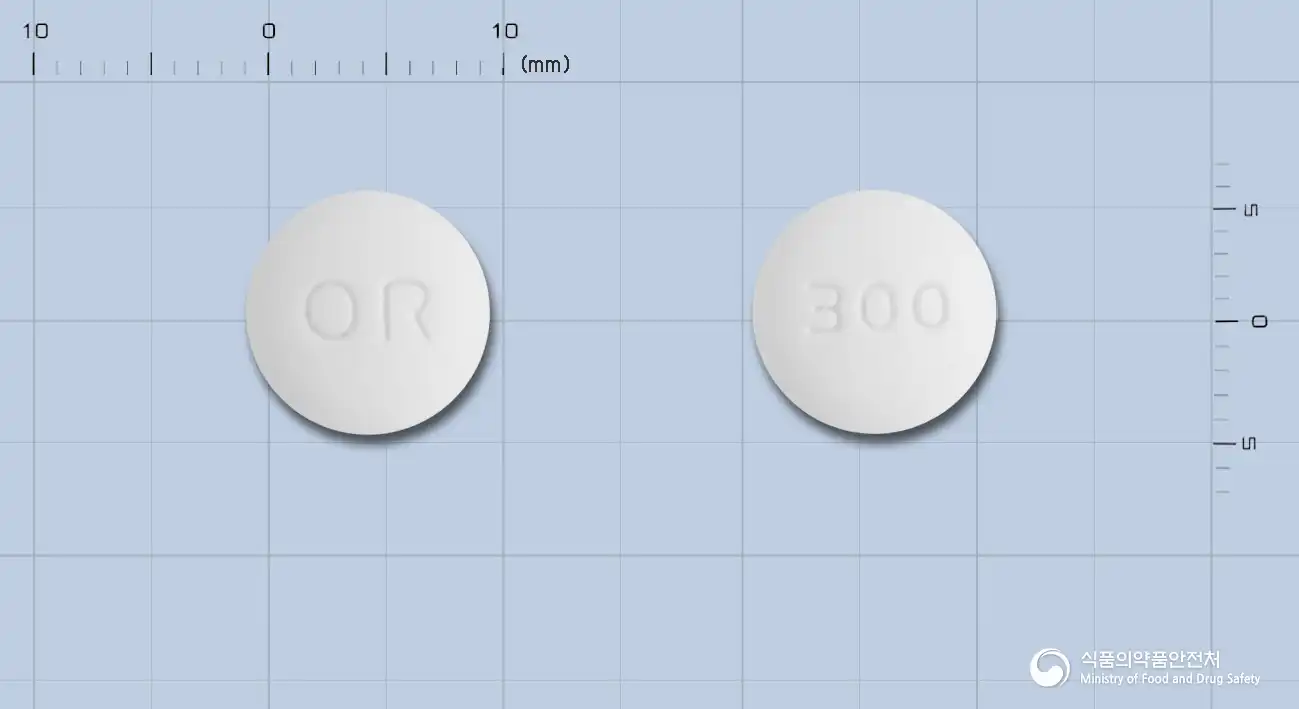
Sodium Valproate 300mg
Tablet · Prescription medication
BooKwang Pharmaceuticals Co., Ltd.
Sodium Valproate 400mg
Injections · Prescription medication
Samjin Pharmaceutical Co., Ltd.
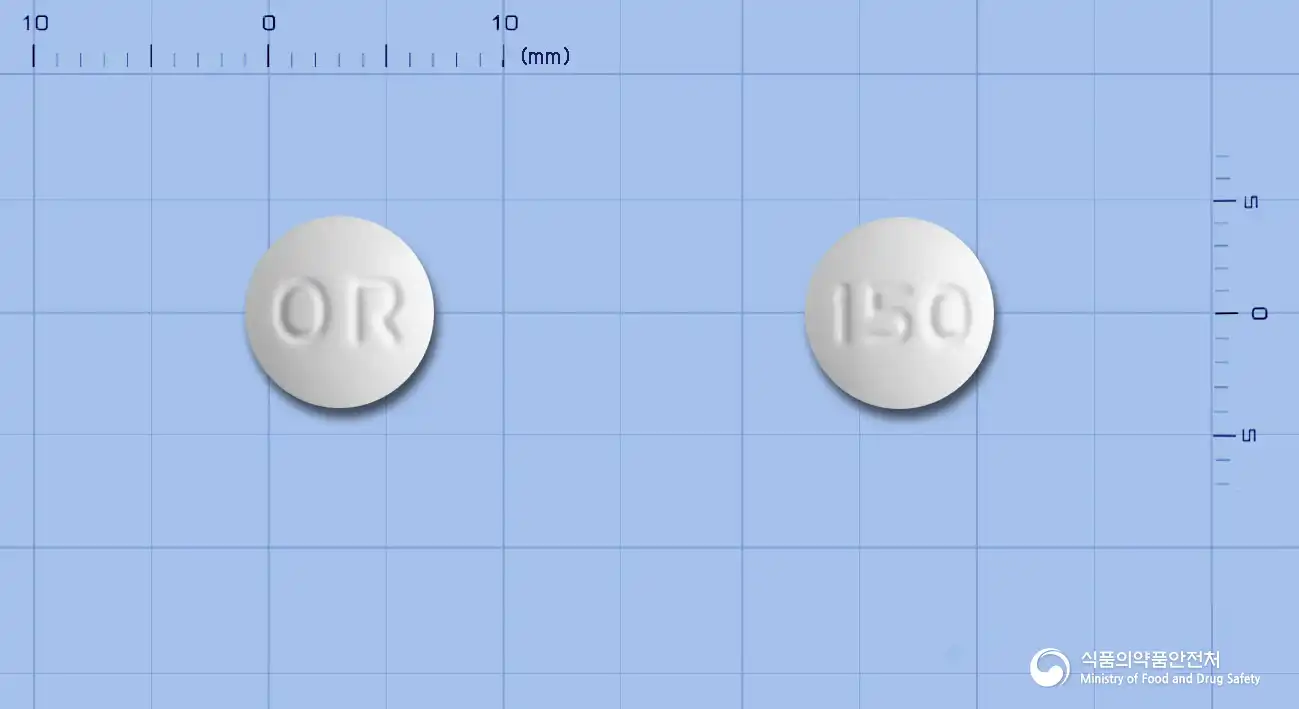
Sodium Valproate 150mg
Tablet · Prescription medication
Bukwang Pharmaceuticals Co., Ltd.
Sodium Valproate 100mg
Injections · Prescription medication
BooKwang Pharmaceutical Co., Ltd.
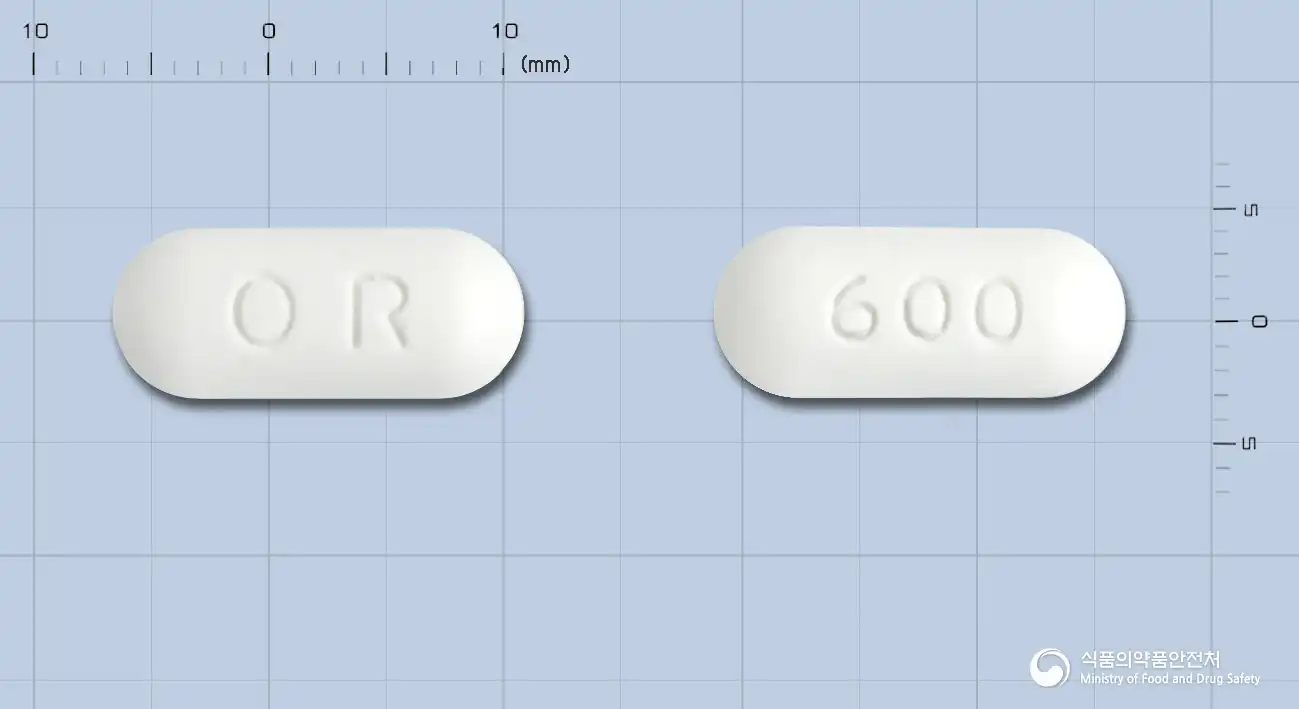
Sodium Valproate 600mg
Tablet · Prescription medication
Bukwang Pharmaceutical Co., Ltd.
Sodium Valproate 6000mg
Prescription medication
Bukwang Pharmaceutical Co., Ltd.
Even with the same ingredient, the dose and directions can differ by strength and dosage form. Talk to a doctor or pharmacist before switching from a medication you are already taking.
No questions yet.
For anything that needs medical judgment, consult a doctor or pharmacist.
This drug information is based on data provided by the Korea Ministry of Food and Drug Safety.
Consult a doctor or pharmacist for accurate dosage, administration, and usage instructions.