
 한국어
 English
 日本語
 中文(简体)
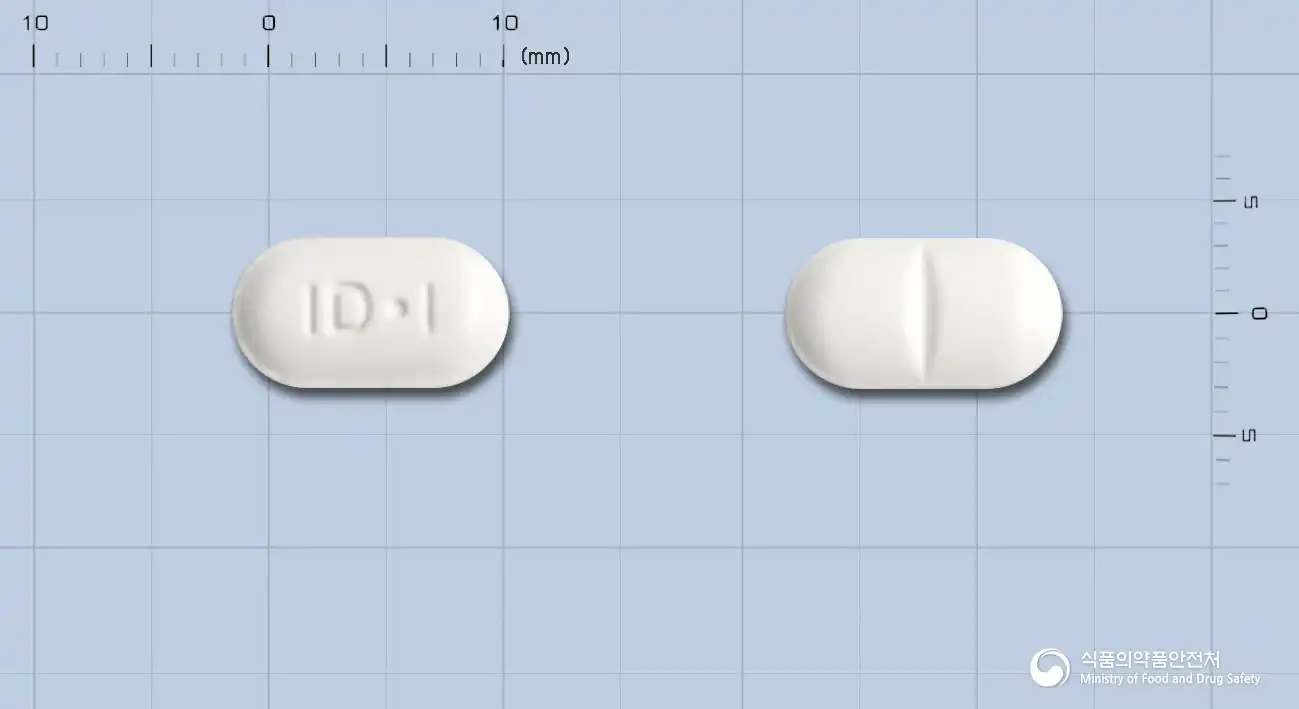
Summary
- Main use
- Treatment of thrombosis associated with atherosclerotic peripheral vascular disease
- Who takes it
- Adults
- Adult dose
- ○ Indobufen is usually administered orally after meals at a total daily dose of 200~400mg in 2 divided doses. ○ Older adults: When determining the dose, physicians should exercise caution, taking into account that renal function gradually declines with increasing age, and reduce the dose if necessary. The recommended daily dose for older adults aged 65 years and over is 100~200mg of this medication. ○ For patients with impaired renal function, the dose should be reduced according to the degree of renal failure. Refer to the following dosage table. > 80mL per minute: 100~200mg per dose, 2 times daily 40~80mL per minute: 100mg per dose, 1~2 times daily < 40mL per minute: 100mg every other day or daily
Ingredients
- Manufacturer
- Ildong Pharmaceutical Co., Ltd.
Efficacy & effects
Treatment of thrombosis associated with atherosclerotic peripheral vascular disease
- Thrombosis
- atherosclerotic peripheral vascular disease
View approved original textHide original text
This medication is used for the treatment of thrombosis associated with atherosclerotic peripheral vascular disease. It dissolves the thrombosis that occurs within the blood vessels, improving blood flow and alleviating symptoms. As a result, it helps restore the function of damaged peripheral blood vessels and aids in blood circulation. This is an effective drug for the treatment of thrombosis in patients.
How to take
Adult dose
○ Indobufen is usually administered orally after meals at a total daily dose of 200~400mg in 2 divided doses. ○ Older adults: When determining the dose, physicians should exercise caution, taking into account that renal function gradually declines with increasing age, and reduce the dose if necessary. The recommended daily dose for older adults aged 65 years and over is 100~200mg of this medication. ○ For patients with impaired renal function, the dose should be reduced according to the degree of renal failure. Refer to the following dosage table. > 80mL per minute: 100~200mg per dose, 2 times daily 40~80mL per minute: 100mg per dose, 1~2 times daily < 40mL per minute: 100mg every other day or daily
Precautions
This medication should not be used in patients with congenital or acquired bleeding disorders. Patients with ulcers or other lesions in the gastrointestinal tract should also refrain from taking this medication. Individuals with a history of allergic reactions to this drug or similar medications should not take it. Additionally, this medication contains lactose, so it should not be administered to patients with hereditary diseases that prevent lactose digestion. Patients with a history of gastrointestinal issues should use this medication with caution. Moreover, patients who are taking other anticoagulants or nonsteroidal anti-inflammatory drugs should also use this drug prudently. If discomfort in the stomach or a feeling of abdominal bloating, constipation, and other symptoms occur during use, it is advisable to reduce the dosage or discontinue the medication. If allergic reactions occur on the skin, the medication should be stopped immediately. Serious side effects such as gum bleeding, nasal bleeding, blood in the stool, gastric bleeding, peptic ulcers, and hematuria have been reported, so caution is necessary. For diabetic patients taking this medication, it is important to check blood sugar levels frequently. Women who are pregnant or may become pregnant, as well as breastfeeding women, should avoid using this medication. Although animal studies have shown no harm to the fetus, it is advisable to avoid this drug for the safety of pregnant and breastfeeding women.
Side effects
- dyspepsia
- abdominal bloating
- constipation
- skin allergic reactions
- gum bleeding
- nosebleed
- gastrointestinal bleeding
- peptic ulcer
- hematuria
Not everyone experiences these, and they can vary from person to person.
Storage
This medication should be stored in a tightly closed container to protect it from air and moisture, and the storage temperature should be at room temperature, meaning a normal indoor temperature that is neither too hot nor too cold. Storing it this way helps maintain the drug's effectiveness and prevents degradation.
Appearance and packaging
Appearance
Biconvex white rectangular tablets
Package unit
30 tablets/bottle, 300 tablets/bottle
Questions about this medicine
No questions yet.
For anything that needs medical judgment, consult a doctor or pharmacist.