
 한국어
 English
 日本語
 中文(简体)
Summary
- Main use
- Treatment of hypotension (including orthostatic and essential hypotension)
- Who takes it
- Adults
- Adult dose
- Adults: Administer 2.5㎎ of midodrine hydrochloride orally 2-3 times daily. For long-term treatment, administer the minimum effective dose. Adjust the dose as appropriate according to age and symptoms. To reduce the risk of supine hypertension, take this medicine no later than 4 hours before bedtime.
Ingredients
- Manufacturer
- Myeongmun Pharmaceutical Co., Ltd.
Efficacy & effects
Treatment of hypotension (including orthostatic and essential hypotension)
- Low blood pressure
- orthostatic hypotension
- essential hypotension
- symptomatic hypotension
View approved original textHide original text
This medication is used to treat various forms of low blood pressure, including orthostatic hypotension, essential hypotension, and symptomatic hypotension.
How to take
Adult dose
Adults: Administer 2.5㎎ of midodrine hydrochloride orally 2-3 times daily. For long-term treatment, administer the minimum effective dose. Adjust the dose as appropriate according to age and symptoms. To reduce the risk of supine hypertension, take this medicine no later than 4 hours before bedtime.
Precautions
This medication should not be used in patients with hypertension. Patients with severe heart conditions should also avoid taking this medication. It should not be administered in cases of acute nephritis. This medication is also not suitable for patients with hyperthyroidism. Patients with specific rare tumors, such as pheochromocytoma, and those with closed-angle glaucoma should refrain from using this medication. Patients with spasms or occlusion of blood vessels should avoid it as well. Patients with urination problems, especially those with prostate issues, are advised not to use this medication. It should also be avoided in cases of rapid heartbeat or arrhythmias. Patients with severe renal impairment and those with arrhythmias should exercise particular caution when using this medication. While taking this medication, allergic reactions may occur, such as skin rashes or itching; if these symptoms arise, usage must be stopped immediately. Gastrointestinal effects such as nausea, vomiting, abdominal pain, and constipation may occur, so caution is advised. Since liver function may temporarily worsen, it is advisable to monitor liver health. Cardiac-related side effects, such as irregular heartbeats or palpitations, can also occur, so consultation with healthcare professionals is necessary if such symptoms manifest. Neurological side effects like headaches, drowsiness, and dizziness have been reported; thus, caution is needed when driving or operating machinery. Urological symptoms may include frequent urges to urinate or difficulty urinating, so related symptoms should be monitored. For diabetic patients, it is advised to use this medication only after blood sugar levels are well controlled. It is also important to periodically check renal function during long-term use. There may be drug interactions when used with other medications, so consultation with experts is necessary if taking guanethidine, MAO inhibitors, digitalis preparations, or others concurrently. Women who are pregnant, may become pregnant, or are breastfeeding should refrain from using this medication. Elderly individuals, due to potential reduced bodily functions, should take a lower dosage or be monitored closely while using this medication. In cases of overdose, symptoms such as cold extremities or urgent urination may occur, and there may be increases in blood pressure or slow heart rates; if symptoms are severe, immediate medical attention is required. Finally, the effectiveness and side effects of this medication can vary greatly among individuals, so it is important to adhere to the prescribed dosage and adjust according to symptoms.
Side effects
Rash, urticaria, itching, erythema, oral numbness, nausea, vomiting, abdominal pain, abdominal distension, stomatitis, constipation, liver function impairment (elevation of AST, ALT, ALP), ventricular extrasystole, palpitations, ventricular arrhythmia, headache, drowsiness, anxiety, dizziness, frequent urination, dysuria, sweating, sensation of heat, shoulder stiffness, chills, sensation of cold, urgent need to urinate, hypertension, bradycardia
Not everyone experiences these, and they can vary from person to person.
Storage
This medication may be sensitive to air and moisture, so it should be stored in a tightly sealed container. Additionally, it is advisable to store it away from direct sunlight and at room temperature, meaning neither too hot nor too cold.
Appearance and packaging
Appearance
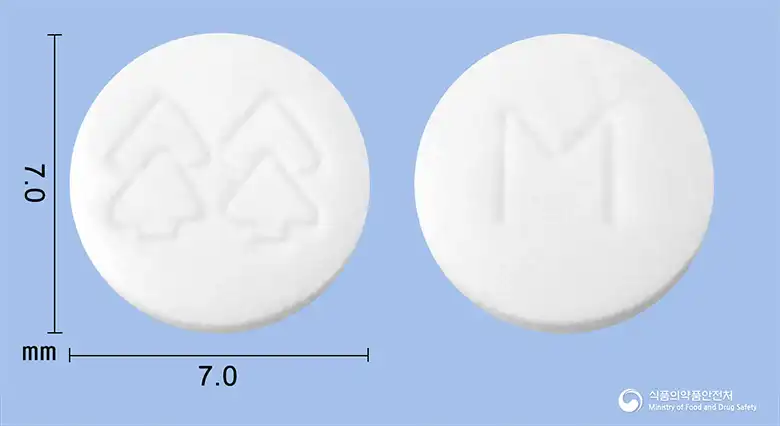
White round tablet
Package unit
100 tablets/bottle
Questions about this medicine
No questions yet.
For anything that needs medical judgment, consult a doctor or pharmacist.