
 한국어
 English
 日本語
 中文(简体)
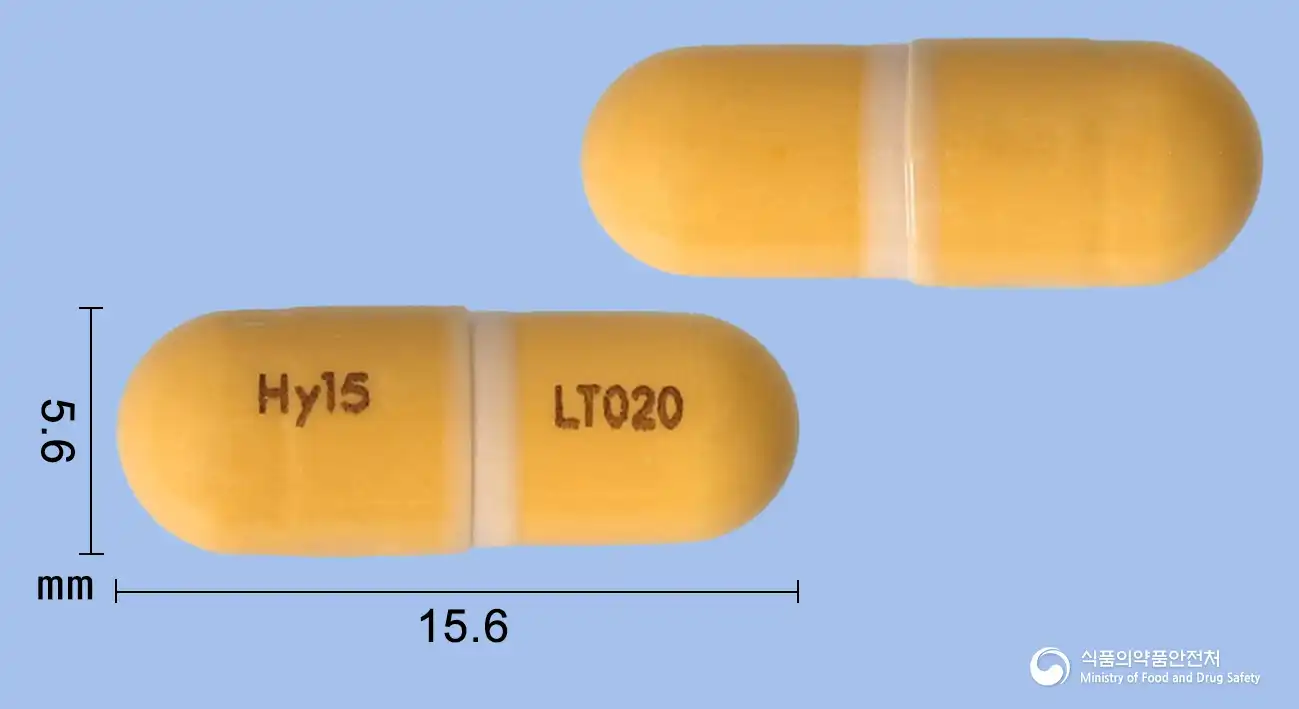 Viewing now
Oldeca Capsule 15 mg (Barnidipine Hydrochloride)
Barnidipine Hydrochloride 10mg
Hard capsule · Prescription medication
Jeil Pharmaceutical Co., Ltd.
MFDS item code 199300658 · Approved 1993.11.20 · Insurance code 645400810
Treatment of hypertension (including renal parenchymal hypertension)
This medication is used for conditions that cause high blood pressure, such as hypertension and renal parenchymal hypertension.
Adults: Administer 10 ~ 15 mg of barnidipine hydrochloride orally once daily after breakfast. However, start with 5 ~ 10 mg once daily and gradually increase the dose as needed.
This medication should not be administered to patients with severely impaired cardiac function or in cardiogenic shock. It should not be used by pregnant or potentially pregnant women, nor by nursing mothers. Its safety has not been confirmed in children, so it is advisable to avoid use in this population. Patients with allergies to this medication or similar components should avoid taking it. It is also unsafe for patients with poor liver function or severely impaired kidney function. Additionally, it should be avoided in patients with acute cardiac disease or untreated heart failure. Caution is required when used in combination with certain antifungals or antibiotics due to potential drug interactions. Careful administration is necessary for patients with excessively low blood pressure, those with slightly reduced kidney function, elderly patients, or those with cardiac issues. While taking this medication, allergic symptoms such as difficulty breathing, skin rashes, or severe hives may occur, and patients should consult healthcare professionals immediately if such symptoms arise. Regular tests may be needed to monitor for potential issues with liver or kidney function. There may also be symptoms of excessively low blood pressure or rapid heart rate, which must be observed closely. Neurological symptoms such as dizziness, drowsiness, and headaches may appear, hence caution is advised when driving or operating hazardous machinery. Abrupt discontinuation of this medication may worsen symptoms, so the dosage should be gradually reduced under medical supervision. When taken with other antihypertensive medications, the effects may be enhanced, necessitating adjustment. The efficacy of this medication may change when combined with certain drugs, so it is essential to inform healthcare providers of all medications being taken. It is safest for women who are potentially pregnant or nursing mothers to avoid taking this medication, and if unavoidable, breastfeeding should be discontinued. Its safety in children has not been confirmed, so it is advisable to avoid use in this population. Elderly patients should start with a low dose and be monitored carefully. This medication is provided in capsule form, and should not be crushed or opened for proper efficacy maintenance. Keep out of reach of children and do not transfer to other containers. Long-term use may lead to abnormalities in the gums, hence regular dental check-ups may be necessary.
Not everyone experiences these, and they can vary from person to person.
This medication should be stored at room temperature between 1°C and 30°C, preferably in a closed container that does not allow light in. Proper storage will help maintain the medication's efficacy for a longer duration.
A yellow-brown capsule containing yellow granules
30 capsules/bottle, 100 capsules/bottle
Even with the same ingredient, strength, dosage form and how it is taken can differ.
Viewing nowBarnidipine Hydrochloride 10mg
Hard capsule · Prescription medication
Jeil Pharmaceutical Co., Ltd.
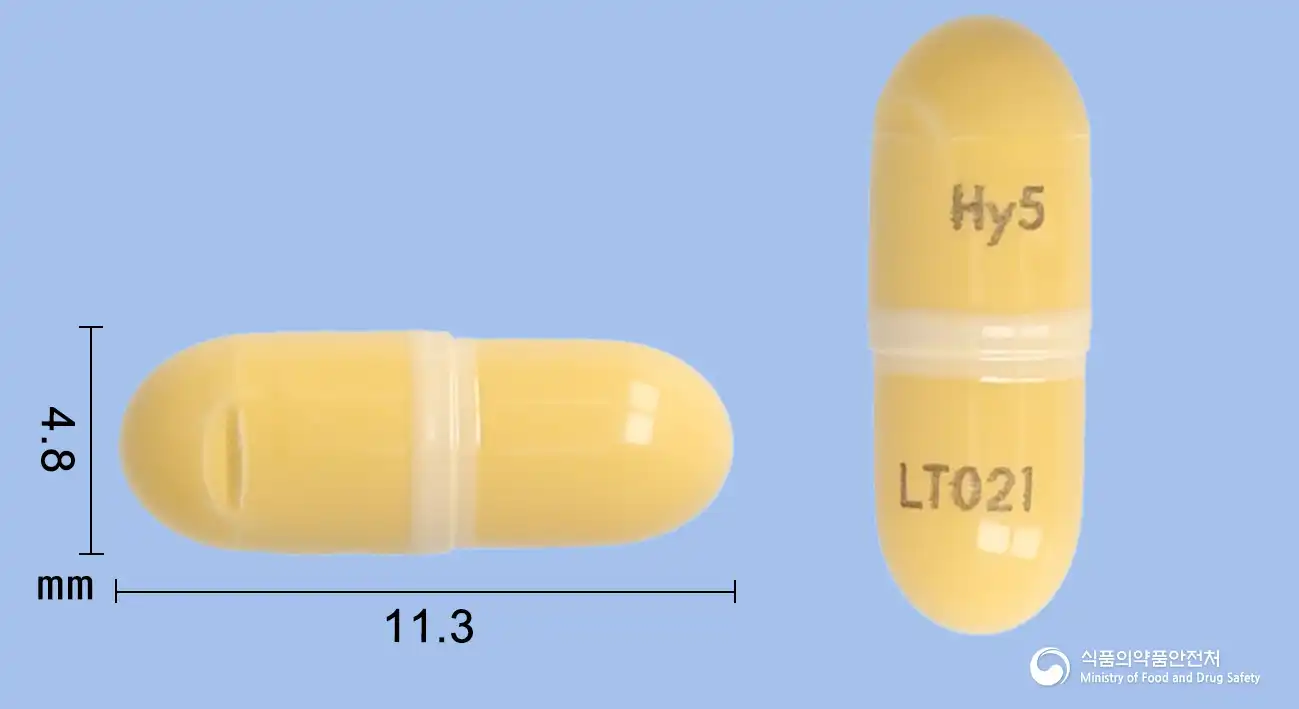
Barnidipine Hydrochloride 3.33mg
Hard capsule · Prescription medication
Jeil Pharmaceutical Co., Ltd.
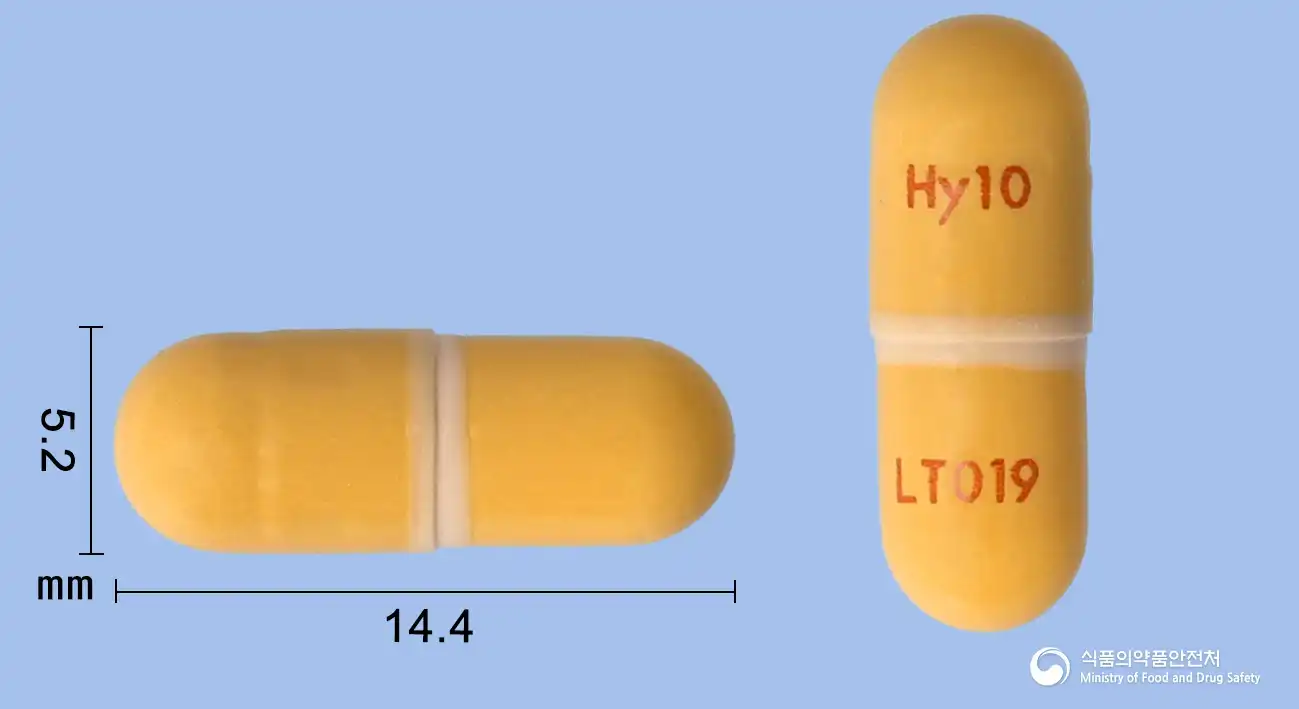
Barnidipine Hydrochloride 6.67mg
Hard capsule · Prescription medication
Jeil Pharmaceutical Co., Ltd.
Even with the same ingredient, the dose and directions can differ by strength and dosage form. Talk to a doctor or pharmacist before switching from a medication you are already taking.
No questions yet.
For anything that needs medical judgment, consult a doctor or pharmacist.
This drug information is based on data provided by the Korea Ministry of Food and Drug Safety.
Consult a doctor or pharmacist for accurate dosage, administration, and usage instructions.