
 한국어
 English
 日本語
 中文(简体)
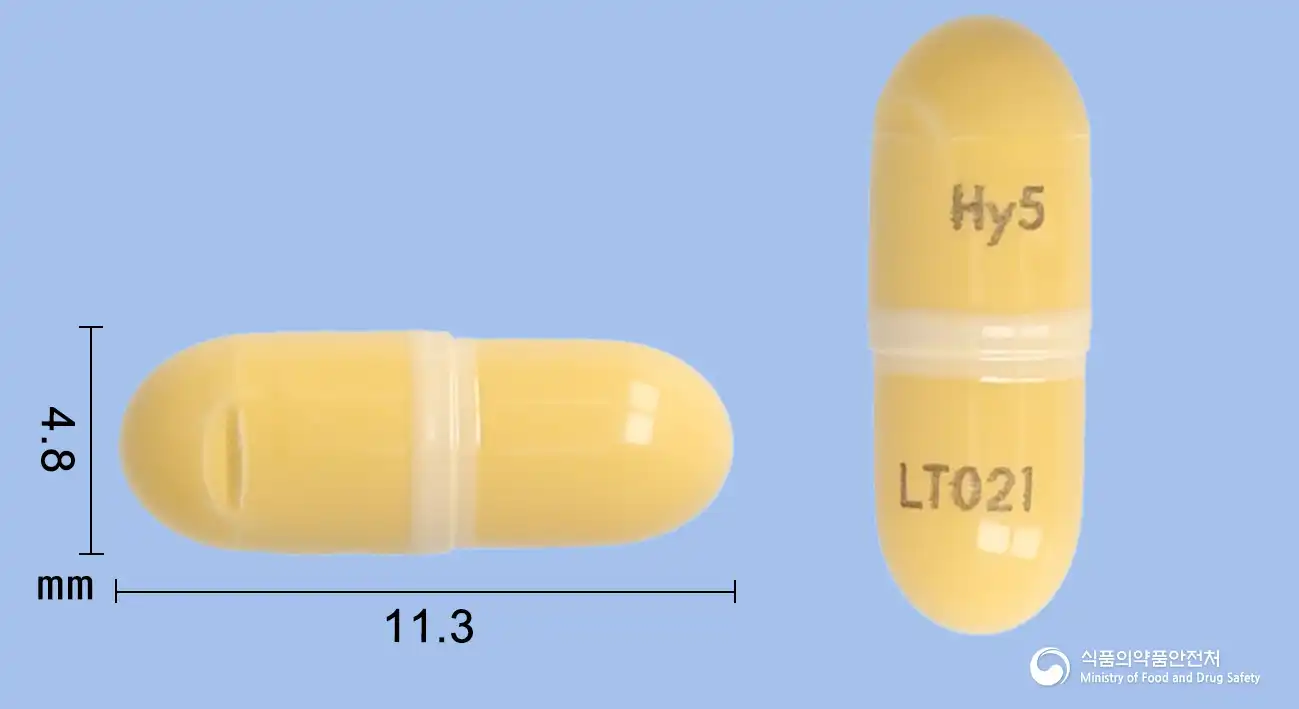 Viewing now
Oldeca Capsule 5 mg (Benidipine Hydrochloride)
Barnidipine Hydrochloride 3.33mg
Hard capsule · Prescription medication
Jeil Pharmaceutical Co., Ltd.
MFDS item code 199300656 · Approved 1993.11.20 · Insurance code 645400790
Treatment of hypertension (including renal parenchymal hypertension)
This medication is used for hypertension and essential hypertension.
Adults: Administer 10 ~ 15 mg of barnidipine hydrochloride orally once daily after breakfast. However, start treatment at 5 ~ 10 mg daily and gradually increase the dose as needed.
This medication should not be used in patients with severe cardiac dysfunction or cardiogenic shock. It is also safe not to administer to pregnant women, women who may become pregnant, or nursing mothers. The safety of this medication has not been confirmed in pediatric patients, so it is advisable not to use it in children. Patients who have had allergic reactions to this medication or others with a similar chemical structure should avoid it. It should not be administered to patients with impaired liver function or severely compromised kidney function. Use should be avoided in patients with unstable angina, recent myocardial infarction, or untreated heart failure. Care should be taken when combined with strong CYP3A4 inhibitors due to potential drug interactions. It should be administered cautiously in patients with low blood pressure, mildly impaired kidney function, elderly patients, patients with decreased left ventricular function, and orthostatic hypotension. During treatment with this medication, serious allergic symptoms such as difficulty breathing, skin rash, and angioedema may occur; therefore, close observation is required. Symptoms of abnormal liver function or changes in kidney function can also occur rarely; if any unusual symptoms arise, medical consultation should be sought immediately. Symptoms such as palpitations, facial flushing, dizziness, drowsiness, headache, and dyspepsia may occur and should be monitored closely. Discontinuation of this medication should be done gradually following the physician's instructions, as sudden cessation may worsen symptoms. Patients experiencing significantly low blood pressure should inform their healthcare provider immediately and receive appropriate action. When taking this medication along with other antihypertensive drugs or other medications, it is crucial to inform healthcare providers due to potential interactions. Pregnant women or nursing mothers should not use this drug, and if it needs to be used, breastfeeding should be discontinued. Elderly patients should start with a low dose and be monitored closely for their condition. This medication must be used strictly according to a physician’s prescription and instructions, and the capsules should not be crushed or opened.
Not everyone experiences these, and they can vary from person to person.
This medication should be stored at room temperature between 1 and 30 degrees Celsius, in a sealed container that does not allow light in and is airtight. Storing it this way helps maintain the drug’s effectiveness and prevents deterioration.
A yellowish-brown capsule containing yellow granules.
30 capsules/bottle, 100 capsules/bottle
Even with the same ingredient, strength, dosage form and how it is taken can differ.
Viewing nowBarnidipine Hydrochloride 3.33mg
Hard capsule · Prescription medication
Jeil Pharmaceutical Co., Ltd.
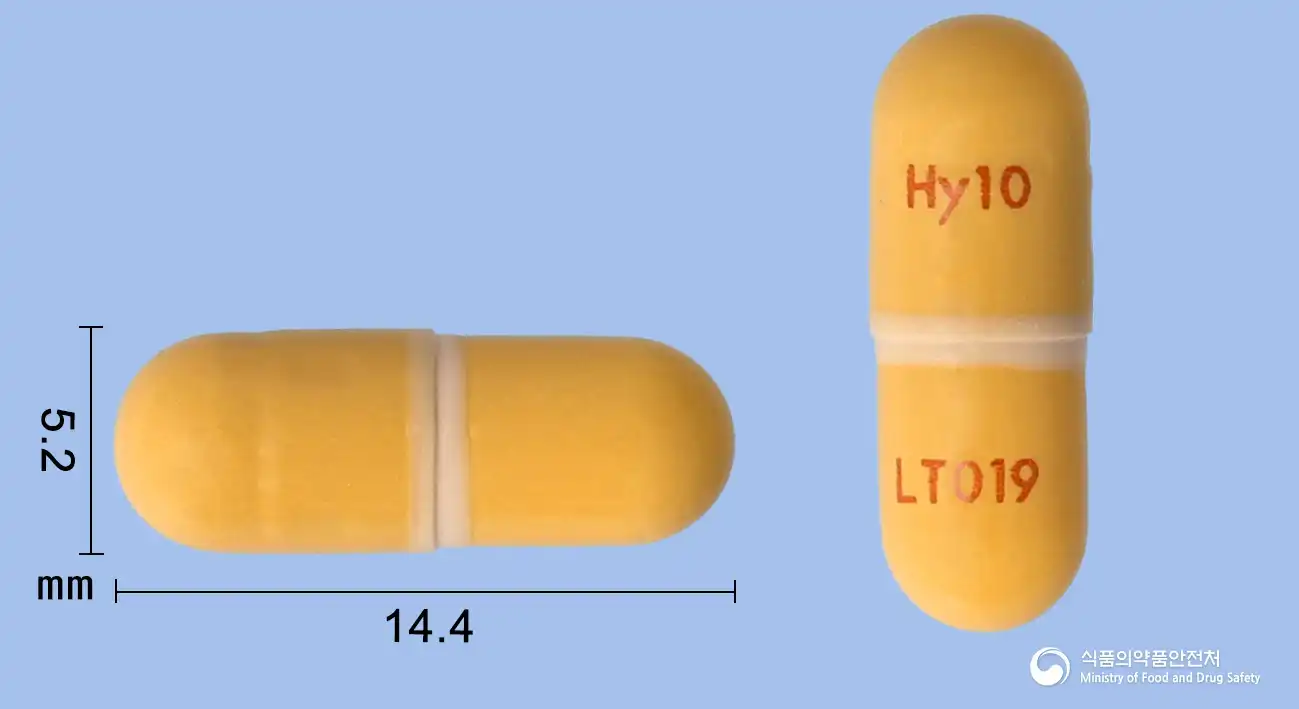
Barnidipine Hydrochloride 6.67mg
Hard capsule · Prescription medication
Jeil Pharmaceutical Co., Ltd.
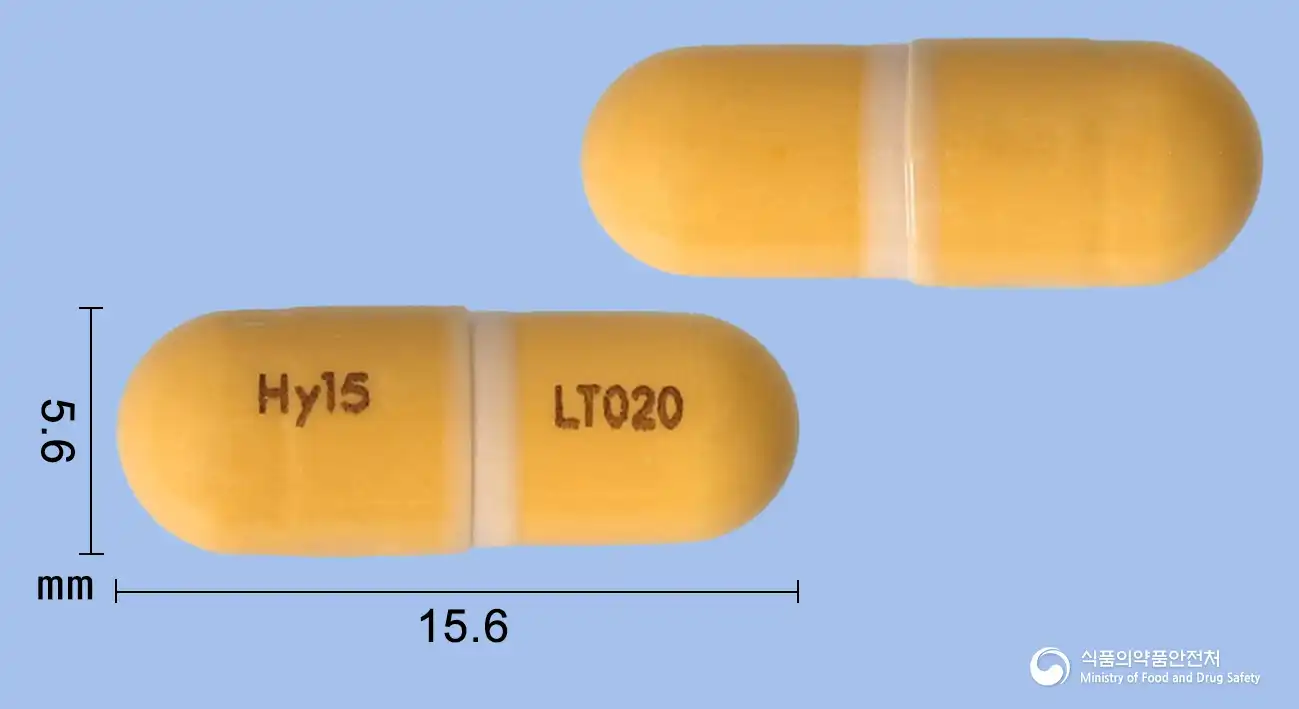
Barnidipine Hydrochloride 10mg
Hard capsule · Prescription medication
Jeil Pharmaceutical Co., Ltd.
Even with the same ingredient, the dose and directions can differ by strength and dosage form. Talk to a doctor or pharmacist before switching from a medication you are already taking.
No questions yet.
For anything that needs medical judgment, consult a doctor or pharmacist.
This drug information is based on data provided by the Korea Ministry of Food and Drug Safety.
Consult a doctor or pharmacist for accurate dosage, administration, and usage instructions.