
 한국어
 English
 日本語
 中文(简体)
 Viewing now
Neomazine Tablets 100mg (Chlorpromazine Hydrochloride)
Chlorpromazine Hydrochloride 100mg
Prescription medication
Hwanin Pharmaceutical Co., Ltd.
MFDS item code 199203520 · Notified 1960.03.21 · Insurance code 657200020
Treatment of mental disorders (e.g., schizophrenia and mania); artificial hibernation; relief of vomiting, hiccups, and other symptoms
This medication is used for psychiatric disorders such as schizophrenia, other psychoses, and mania, and is also effective for symptoms such as nausea, vomiting, and hiccups. It is additionally used in induced coma states and helps alleviate symptoms of anxiety, tension, and agitation caused by psychotic disorders. Overall, it is used to improve a variety of mental and physical symptoms.
(Oral: tablets) Adults: The usual dosage, as chlorpromazine hydrochloride, is 30㎎-100㎎ daily; for psychiatric conditions, 50-450㎎ is administered orally in divided doses (up to 1g may be administered.). (Injection) Adults: Administer 10-50㎎ per dose, as chlorpromazine hydrochloride, by slow intramuscular or intravenous injection. Adjust the dose appropriately according to age and symptoms.
Children: Administer 0.5㎎ per kg of body weight daily in 3-4 doses.
This medication should be used with caution in elderly patients as it may increase mortality when treating schizophrenia symptoms associated with cognitive impairment. It should not be used in patients in a comatose state or in shock, patients under the influence of central nervous system depressants, patients with acute alcohol intoxication, and patients with hypersensitivity to this medication or similar drugs. It is also generally not recommended for infants under 1 year of age, patients with Reye's syndrome, and patients currently receiving epinephrine. Use this medication very carefully in patients with suspected brain disorders, liver, kidney, or blood disorders, cardiovascular disease, skin conditions, respiratory disease, epilepsy, or Parkinson's disease. This medication can cause various side effects including orthostatic hypotension, arrhythmias, blood disorders, gastrointestinal issues, liver dysfunction, neuroleptic malignant syndrome, extrapyramidal symptoms, visual disturbances, endocrine disorders, neurological issues, hypersensitivity reactions, etc., and symptoms should be discussed with medical personnel immediately upon occurrence. For prolonged use, regular monitoring of liver function and blood condition is necessary, and drowsiness or reduced reflexes may occur, so driving or operating hazardous machinery should be avoided. Sudden discontinuation of this medication can lead to withdrawal symptoms such as nausea, vomiting, and insomnia, so doses should be gradually reduced. Caution should be taken as interactions may be enhanced when used with other central nervous system depressants, antihypertensives, anticholinergic drugs, and alcohol. Women who are pregnant or might become pregnant should not use this medication, and breastfeeding mothers should cease nursing. Children and the elderly are particularly vulnerable to side effects such as extrapyramidal symptoms and orthostatic hypotension, hence dosage adjustments and careful monitoring are needed. In cases of overdose, central nervous system depression, lowering of blood pressure, and extrapyramidal symptoms could be observed, thus immediate emergency treatment is necessary. During handling of this medication, avoid skin contact, and proper protective measures should be taken, such as frequently washing hands and face, as hypersensitivity reactions may occur.
Orthostatic hypotension, hypotension, tachycardia, palpitations, arrhythmia, exacerbation of heart disease, leukocytosis, leukopenia, eosinophilia, aplastic anemia, hemolytic anemia, pancytopenia, agranulocytosis, thrombocytopenic purpura, nausea, vomiting, diarrhea, coated tongue, constipation, intestinal paralysis, appetite loss, abdominal distension, liver dysfunction, cholestasis, jaundice, motor paralysis, severe muscle rigidity, dysphagia, sweating, fever, leukocytosis, elevated serum CPK, myoglobinuria, impaired kidney function, high fever, altered consciousness, dyspnea, circulatory collapse, symptoms of dehydration, acute renal failure, acute dystonia, oculomotor seizure, torticollis, trismus, parkinsonian rigidity, tremors, motor incapacity, inability to sit cross-legged, dystonic movement disorder, miosis, mydriasis, increased intraocular pressure, blurred vision, corneal opacity, lens opacity, retinal pigment deposition, corneal pigment deposition, hyperprolactinemia, gynecomastia in women, galactorrhea, menstrual irregularities, false-positive pregnancy test, erectile dysfunction, inability to ejaculate, changes in libido, hyperglycemia, hypoglycemia, diabetes, weight gain, weight loss, syndrome of inappropriate antidiuretic hormone secretion, sleep disturbances, insomnia, drowsiness, irritability, anxiety, seizures, confusion, agitation, paradoxical symptoms, tense state, hallucinations, auditory hallucinations, cerebral edema, cerebrospinal fluid abnormalities, malaise, dizziness, headache, heaviness in the head, impulsive symptoms, photosensitivity, itching, urticaria, rash, asthma, anaphylactic reaction, angioedema, laryngeal edema, exfoliative dermatitis, contact dermatitis, thirst, weakness, fatigue, lethargy, diaphoresis, excessive salivation, nasal congestion, urinary retention, urinary incontinence, anuria, frequent urination, edema, skin hyperpigmentation, systemic lupus erythematosus-like symptoms
Not everyone experiences these, and they can vary from person to person.
This medication is sensitive to light and should be stored in a tightly sealed container that does not allow light. It is important to maintain the storage temperature between 1°C and 30°C.
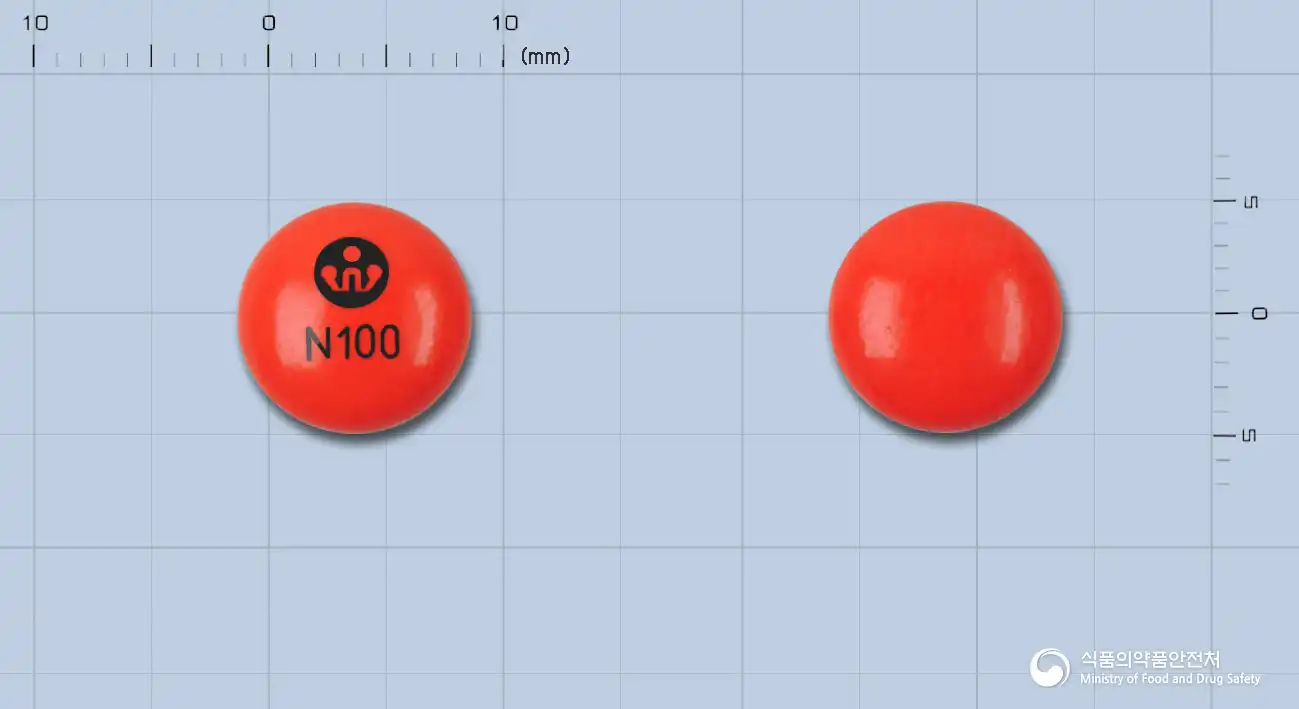
Brick red round coated tablet
1000 tablets/bottle
Even with the same ingredient, strength, dosage form and how it is taken can differ.
Viewing nowChlorpromazine Hydrochloride 100mg
Prescription medication
Hwanin Pharmaceutical Co., Ltd.
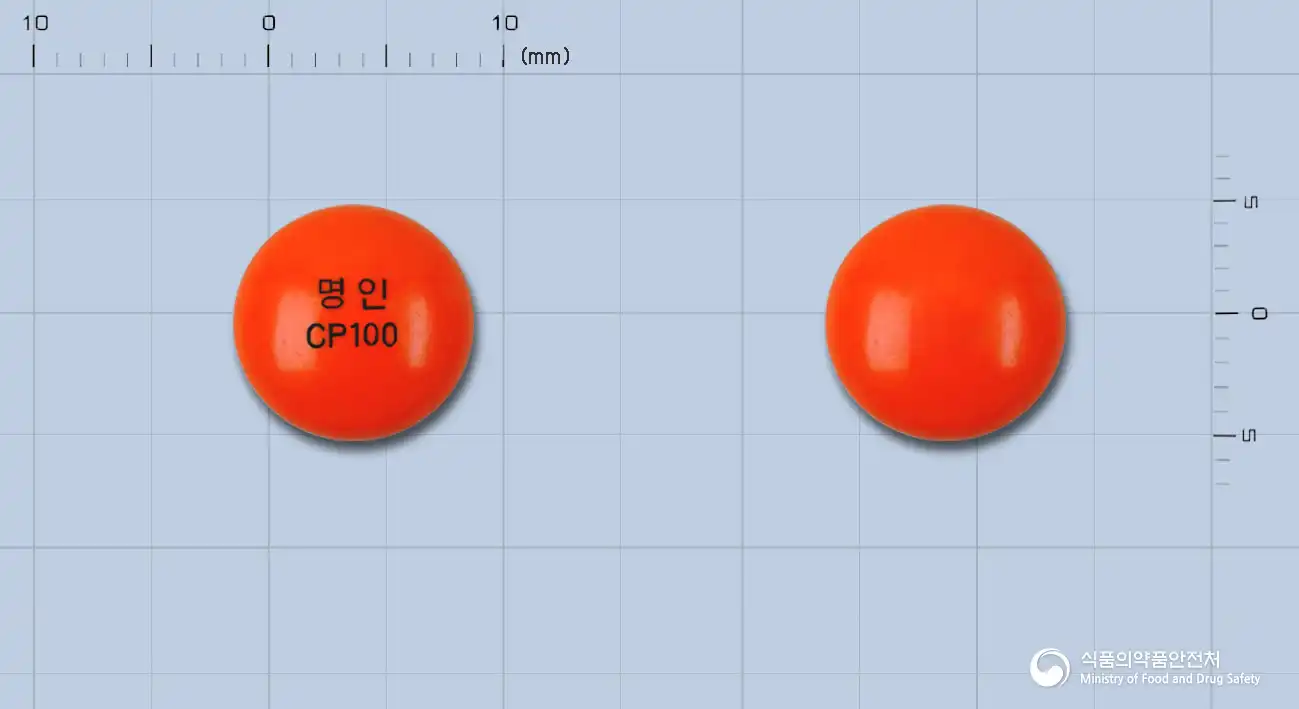
Chlorpromazine Hydrochloride 100mg
Prescription medication
Myungjin Pharmaceuticals Co., Ltd.
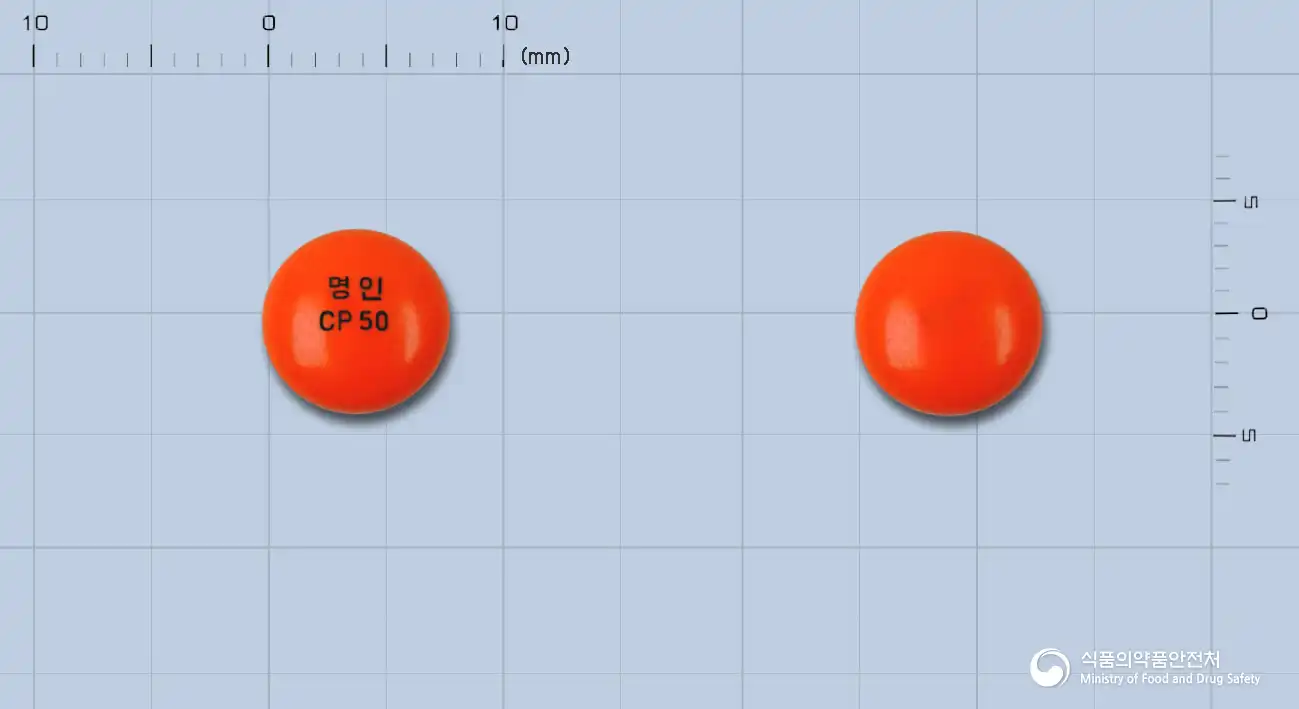
Chlorpromazine Hydrochloride 50mg
Prescription medication
Myongin Pharmaceutical Co., Ltd.
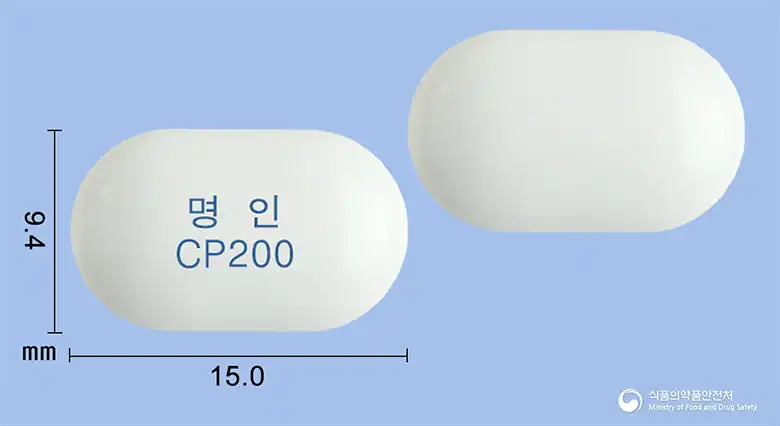
Chlorpromazine Hydrochloride 200mg
Prescription medication
Myungin Pharmaceutical Co., Ltd.
Even with the same ingredient, the dose and directions can differ by strength and dosage form. Talk to a doctor or pharmacist before switching from a medication you are already taking.
No questions yet.
For anything that needs medical judgment, consult a doctor or pharmacist.
This drug information is based on data provided by the Korea Ministry of Food and Drug Safety.
Consult a doctor or pharmacist for accurate dosage, administration, and usage instructions.