
 한국어
한국어 English
 日本語
日本語 中文(简体)
 Viewing now
Parutal Tablets (Medroxyprogesterone Acetate)
Medroxyprogesterone Acetate 500mg
Tablet · Prescription medication
Pfizer Korea Pharmaceuticals Ltd.
MFDS item code 199203279 · Notified 2006.09.01 · Insurance code 648901090
Relief of hormone-dependent cancer (breast cancer, endometrial cancer, etc.)
This medication is used to alleviate symptoms of hormone-dependent cancers, such as breast cancer, endometrial cancer, kidney cancer, and prostate cancer.
Typically, medroxyprogesterone acetate can be administered orally from 100 to 1,000 mg per day. Higher doses can be divided and administered 2 to 3 times per day. A lower dose is preferred for endometrial cancer, while higher doses are preferable for advanced metastatic breast cancer.
This medication should be used with caution in patients with a history of thrombosis or those at high risk for thrombosis, as it may increase the risk of severe arterial and venous thrombosis. This medication can cause decreased bone density; therefore, adequate intake of calcium and vitamin D should be ensured during long-term use, and bone density tests should be performed regularly as needed. Caution is advised when administering to women over 65, as there may be an increased risk of dementia. There are reports of increased ovarian cancer risk in postmenopausal women, so caution is needed for long-term use. This drug should not be administered to certain patients, such as those within a week following surgery, those with cardiovascular disease, severe liver dysfunction, suspected breast cancer, or pregnant women. Patients with diabetes, hypertension, hyperlipidemia, obesity, epilepsy, migraines, or renal or cardiac disorders should be monitored closely during administration. This medication may cause fluid retention, so symptoms should be carefully monitored in patients with heart failure. Before administering this medication, necessary tests such as breast and pelvic examinations and Pap smear tests should be conducted, and if unexpected bleeding or changes in vision occur during treatment, the healthcare provider should be consulted immediately. Extra caution is also necessary when combined with other hormonal agents that may increase the risk of thrombosis. This medication should not be administered to pregnant women or those who may become pregnant, and breastfeeding should be discontinued if the patient is lactating. Keep this medication out of the reach of children, and store in its original container to prevent degradation in quality.
Hives, severe swelling (edema), chest tightness, difficulty breathing, cold sweat, pallor, severe rash with high fever, blisters, skin peeling, pain in mucous membranes of the mouth/eyes, difficulty breathing or shortness of breath, asthma attacks, cough with fever accompanied by respiratory abnormalities, yellowing of the skin or eyes (jaundice), profound lethargy, sudden and severe headache, thunderclap headache, seizures, confusion, visual disturbances, paralysis, urinary changes
Weight changes, increased appetite, decreased appetite, insomnia, anxiety, depression, euphoria, changes in libido, nervousness, confusion, apathy, headache, dizziness, tremors, drowsiness, coma, concentration difficulties, adrenergic reactions, sensory loss, vomiting, constipation, nausea, diarrhea, dry mouth, abdominal pain, sweating, acne, hirsutism, alopecia, rash, itching, melasma, excessive sebum production, melanin skin pigmentation, erectile dysfunction, dysfunctional uterine bleeding (irregular, increased)
Not everyone experiences these, and they can vary from person to person.
This medication should be stored in a tightly sealed container to prevent air or moisture from entering and should be kept at room temperature away from direct sunlight. Room temperature generally refers to a range between 15 to 25 degrees Celsius, and extremes of heat or cold should be avoided.
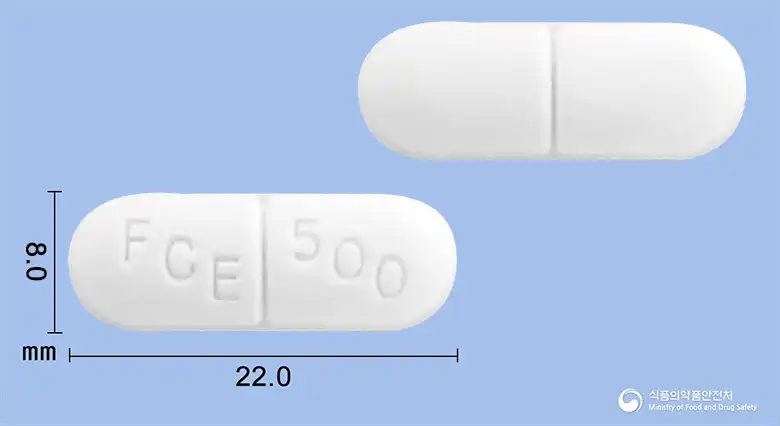
White capsule-shaped tablets
30 tablets/bottle
Even with the same ingredient, strength, dosage form and how it is taken can differ.
Viewing nowMedroxyprogesterone Acetate 500mg
Tablet · Prescription medication
Pfizer Korea Pharmaceuticals Ltd.

Medroxyprogesterone Acetate 10mg
Tablet · Prescription medication
Korea Pfizer, Inc.

Medroxyprogesterone Acetate 5mg
Tablet · Prescription medication
Korea Pfizer, Inc.
Even with the same ingredient, the dose and directions can differ by strength and dosage form. Talk to a doctor or pharmacist before switching from a medication you are already taking.
No questions yet.
For anything that needs medical judgment, consult a doctor or pharmacist.
This drug information is based on data provided by the Korea Ministry of Food and Drug Safety.
Consult a doctor or pharmacist for accurate dosage, administration, and usage instructions.