
 한국어
 English
 日本語
 中文(简体)
 Viewing nowCombination
Perkin Tablet 25-100 mg (Carbidopa, Levodopa)
Carbidopa Hydrate 27mg · Levodopa 100mg
Tablet · Prescription medication · Combination
Myeongin Pharmaceutical Co., Ltd.
MFDS item code 199201045 · Notified 1992.12.21 · Insurance code 651902260
Treatment of Parkinson's disease and parkinsonism (excluding drug-induced cases)
This medication is primarily used to treat Parkinson's disease and Parkinsonian syndrome (except for drug-induced cases). Parkinson's disease is a neurological disorder that affects motor function, helping to alleviate symptoms and improve quality of life. Parkinsonian syndrome also shows similar symptoms, and this drug is effective in symptom control. Therefore, this medication is used for Parkinson's disease and non-drug-related Parkinsonian syndrome.
1. Patients not previously treated with levodopa Start with 100-125㎎ per dose and 100-300㎎ per day, expressed as levodopa. Increase the dose by 100-125㎎ of levodopa daily or every other day until the optimal dose is determined and used as the maintenance dose (adjust as needed) (standard maintenance dose: 200-250㎎ of levodopa per dose, 3 times daily). However, do not exceed 1500㎎ of levodopa per day. 2. Patients currently receiving levodopa After taking levodopa alone, allow an interval of at least 8 hours. Administer orally in 3 divided doses per day, using an initial dose of levodopa equal to approximately 1/5 of the daily maintenance dose of levodopa. Thereafter, determine the optimal dose and use it as the maintenance dose (standard maintenance dose: 200-250㎎ of levodopa per dose, 3 times daily). Do not exceed 1500㎎ of levodopa per day.
This medication should not be administered to patients with narrow-angle glaucoma. This is because intraocular pressure may rise and worsen symptoms. Patients who have allergic reactions to any components of this medication should not use it. Additionally, administering this medication to patients taking MAO inhibitors may lead to dangerous side effects such as a sudden increase in blood pressure. Patients with skin conditions or a history of melanoma should be cautious as this medication may worsen skin cancer. This medication contains lactose, so individuals with lactose intolerance or related genetic conditions should not take it. Patients with poor liver or kidney function should be careful when using this medication, and it should also be approached with caution if there is a history of gastrointestinal ulcers as symptoms may worsen. Patients with diabetes may need adjustments in insulin dosage as this medication can raise blood sugar levels. Patients with cardiovascular disease, pulmonary disease, bronchial asthma, or endocrine disorders should also be cautious as symptoms may worsen upon taking this medication. Patients with cardiac arrhythmias should have their heart monitored in a hospital when starting this medication and adjust the dosage as needed. This medication increases dopamine levels in the brain, leading to involuntary movements or mental disorders. Therefore, special care should be taken for patients with a history of depression or mental illness. Drowsiness or decreased concentration may occur during treatment, so driving or operating dangerous machinery should be avoided. Long-term use of this medication requires regular liver, blood, heart, and kidney function tests, and if behavioral changes such as impulse control disorders occur, consultation with a doctor should be sought immediately. When used in conjunction with other drugs, interactions may reduce the effectiveness of this medication or increase side effects, so it is crucial to consult with the healthcare provider. Women who are pregnant or may become pregnant should preferably avoid using this medication, and breastfeeding women should also avoid it. The safety of this medication has not been confirmed for children under 18 years, so it is advisable not to use it in that age group. Elderly patients may experience diminished bodily functions, so closer monitoring is necessary when taking this medication. In case of overdose, one should visit a medical institution immediately for treatments such as gastric lavage and ECG examination. This medication may affect certain urine test results, so it is important to inform the healthcare provider during testing. Long-term use may result in irregular efficacy, so if symptoms change, consultation with a doctor is advised for dosage adjustment or drug holidays.
Not everyone experiences these, and they can vary from person to person.
This medication is sensitive to light, so it should be stored in a special container that blocks light. Additionally, it is safe to store the medication at room temperature, avoiding excessively hot or cold environments.
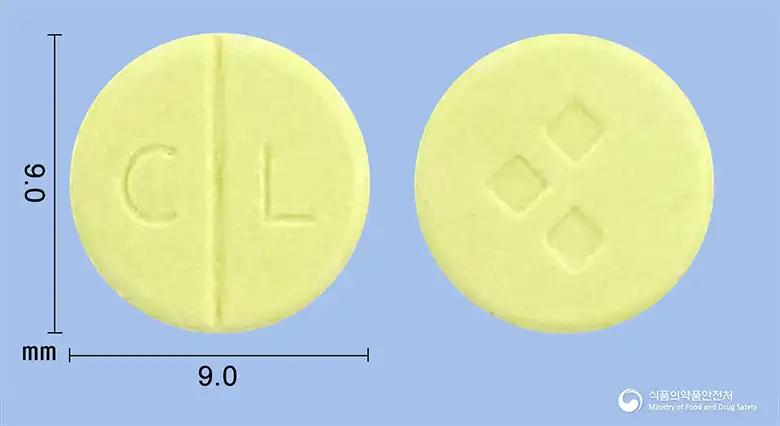
Yellow round tablet
30 tablets/bottle, 200 tablets/bottle
Even with the same ingredient, strength, dosage form and how it is taken can differ.
Viewing nowCombinationCarbidopa Hydrate 27mg · Levodopa 100mg
Tablet · Prescription medication · Combination
Myeongin Pharmaceutical Co., Ltd.
 Combination
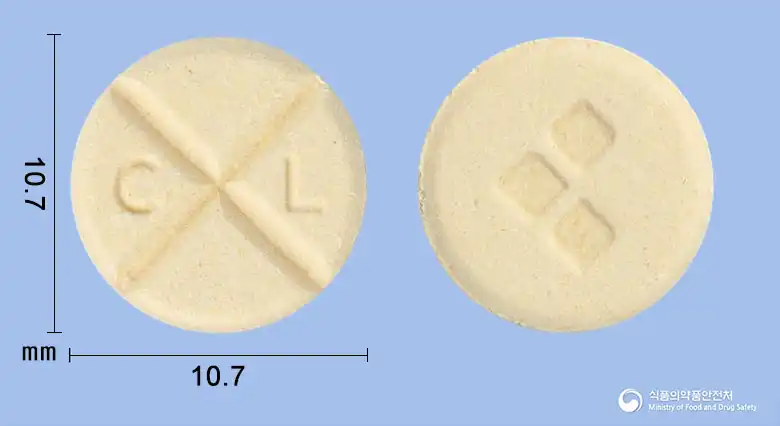
Carbidopa Hydrate 27mg · Levodopa 250mg
Tablet · Prescription medication · Combination
Myeongin Pharmaceutical Co., Ltd.
 Combination
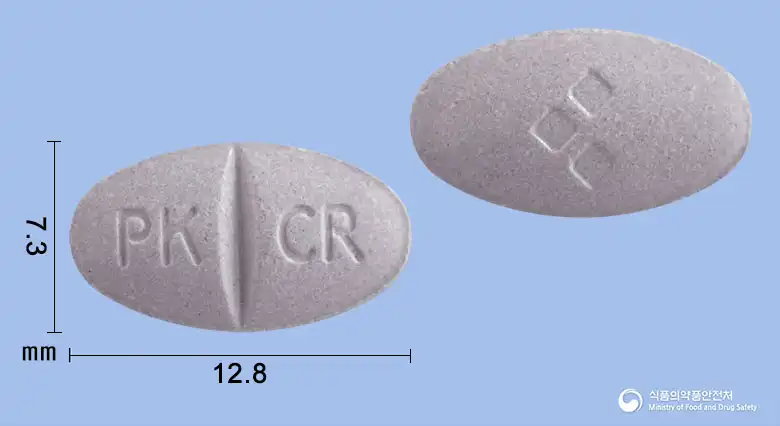
Carbidopa Hydrate 54mg · Levodopa 200mg
Tablet · Prescription medication · Combination
Myungjin Pharmaceutical Co., Ltd.
Even with the same ingredient, the dose and directions can differ by strength and dosage form. Talk to a doctor or pharmacist before switching from a medication you are already taking.
No questions yet.
For anything that needs medical judgment, consult a doctor or pharmacist.
This drug information is based on data provided by the Korea Ministry of Food and Drug Safety.
Consult a doctor or pharmacist for accurate dosage, administration, and usage instructions.