
 한국어
 English
 日本語
 中文(简体)
 Viewing now
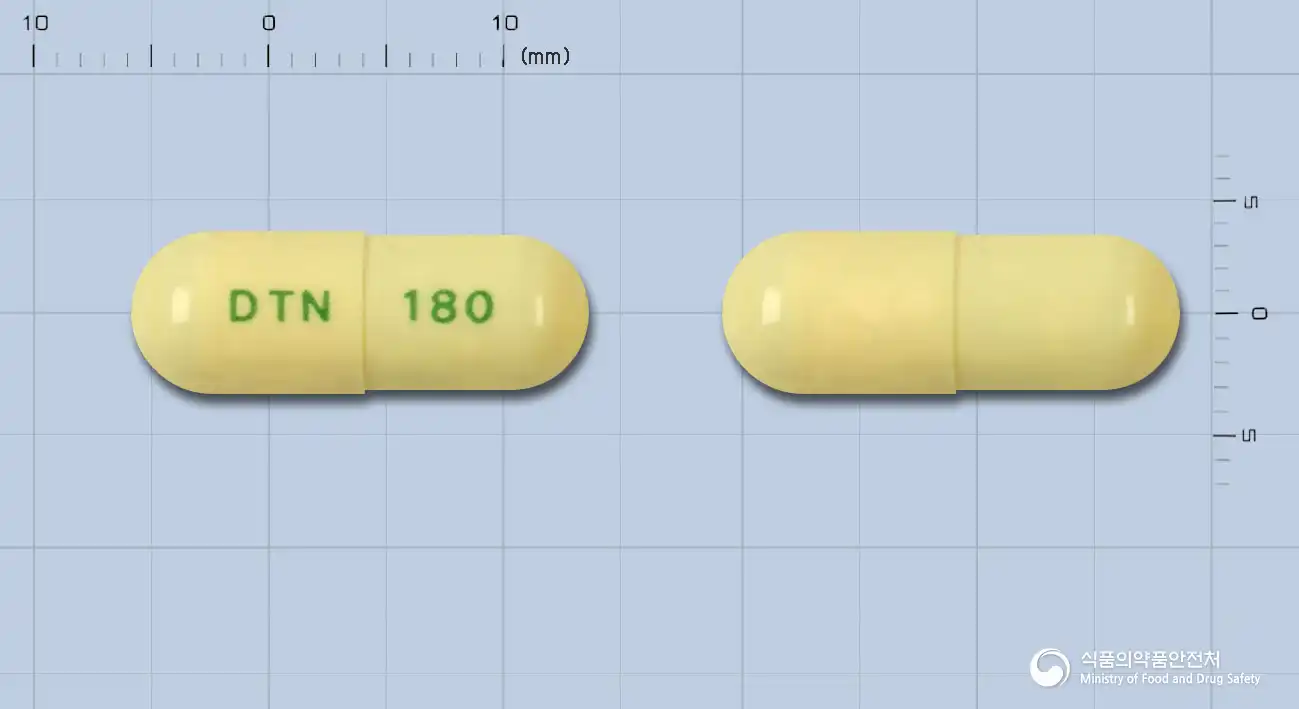
Diltiazem Extended-Release Capsules 180 mg (Diltiazem Acid Polymer Complex)
Diltiazem Acidic Polymer Complex 404.1mg
Hard capsule · Prescription medication
Alvogen Korea Co., Ltd.
MFDS item code 199200870 · Approved 1992.07.16 · Insurance code 652600600
Treatment of hypertension (essential, hypertensive emergency, etc.), angina, and supraventricular tachyarrhythmias
This medication is used for the treatment of angina pectoris and mild to moderate essential hypertension in oral extended-release tablet or capsule form. It is also effectively used when injected for treating tachyarrhythmias, abnormal hypertension occurring during surgery, and hypertensive crises in emergency situations. This drug helps to alleviate symptoms of various cardiovascular diseases and stabilize blood pressure to support patient health.
(Oral: extended-release capsules) 1. Adults: Administer 180㎎ of diltiazem hydrochloride orally once daily. The dose may be increased to 360㎎ per dose depending on symptoms. 2. Elderly patients and patients with hepatic or renal impairment: Administer 90-120㎎ once daily as the initial dose. Monitor heart rate during treatment; do not increase the dose if it decreases to 50 beats or less. Adjust the dose as appropriate according to age and symptoms. (Oral: extended-release tablets 30㎎) Adults: Administer 30-60㎎ of diltiazem hydrochloride orally per dose 3 times daily. Adjust the dose as appropriate according to age and symptoms. (Oral: extended-release tablets 90㎎) Adults: Administer 90㎎ of diltiazem hydrochloride orally per dose 2 times daily. If necessary, the dose may be increased to 90-180㎎ per dose. Adjust the dose as appropriate according to age and symptoms. (Injection) Dissolve this medicine in at least 5㎖ of normal saline injection or dextrose injection and administer as follows. 1. Tachyarrhythmia (supraventricular) Adults: Slowly administer 10㎎ of diltiazem hydrochloride intravenously over approximately 3 minutes per dose. 2. Emergency treatment of abnormal hypertension during surgery ① Intravenous bolus injection Adults: Slowly administer 10㎎ per dose intravenously over approximately 1 minute. ② Intravenous infusion Adults: Administer 5-15㎍ per ㎏ of body weight by intravenous infusion over 1 minute. After reducing blood pressure to the target level, adjust the infusion rate while monitoring blood pressure. 3. Hypertensive emergency (hypertensive crisis) Adults: Administer 5-15㎍ per ㎏ of body weight by intravenous infusion over 1 minute. After reducing blood pressure to the target level, adjust the infusion rate while monitoring blood pressure. Adjust the dose as appropriate according to age and symptoms.
This drug should not be administered to patients with severe cardiac function issues as it may worsen symptoms. It may pose risks for patients with abnormal heart rhythms or those without a pacemaker. Patients with very low blood pressure or in shock should avoid this medication as it may worsen their condition. Patients who have previously shown allergic reactions to this drug should not use it. Patients with acute myocardial infarction or pulmonary edema should not take this medication. Women who are pregnant or may become pregnant should not take this drug. Caution is necessary when taken with other medications that reduce heart rate as it may pose risks. Patients with weakened heart function, or significant liver and kidney damage should use this drug carefully as metabolism and excretion may be delayed, leading to heightened effects. Patients with minor heart conduction abnormalities should also take this drug with caution. This medication contains certain dyes; patients allergic to these ingredients should be cautious. Taking this medication may lead to various side effects including rhinitis, headache, cough, indigestion, edema, muscle pain, etc. Symptoms such as decreased or irregular heartbeats may occur; if they do, consult a doctor immediately. Dizziness, confusion, insomnia, skin rash, and breathing difficulties may also arise, so caution is needed. Liver function may be affected; thus, if jaundice or hepatitis symptoms occur, discontinue the medication. Suddenly stopping this medication may worsen symptoms, so dosage should be gradually reduced under medical supervision. Patients with heart-related conditions should periodically monitor kidney function and observe closely. Dizziness may occur due to lowered blood pressure, so caution should be exercised when working at heights or driving. Patients with respiratory diseases or a history of asthma should be careful as bronchial spasms may worsen. This drug may interact with several other medications, so notify your doctor or pharmacist if you're taking other drugs. It's safest to avoid this medication during pregnancy or breastfeeding; if breastfeeding, it's advisable to stop. The safety and efficacy of this drug in children have not been established, so it is not recommended for use. If an overdose occurs, it can lead to risks such as low blood pressure, irregular heartbeats, or cardiac arrest, so seek immediate medical attention and obtain appropriate emergency treatment. This drug is in capsule form; do not break or chew the capsule but swallow it whole.
Not everyone experiences these, and they can vary from person to person.
This medication should be stored in a tightly sealed container to prevent air or moisture ingress, preferably at room temperature between 1 and 30 degrees Celsius. Storing it this way helps maintain its effectiveness for a longer duration.
An extended-release capsule with a hard body in light yellow color, containing white or grayish spherical granules.
30 capsules/bottle, 150 capsules/bottle, 300 capsules/bottle
Even with the same ingredient, strength, dosage form and how it is taken can differ.
Viewing nowDiltiazem Acidic Polymer Complex 404.1mg
Hard capsule · Prescription medication
Alvogen Korea Co., Ltd.
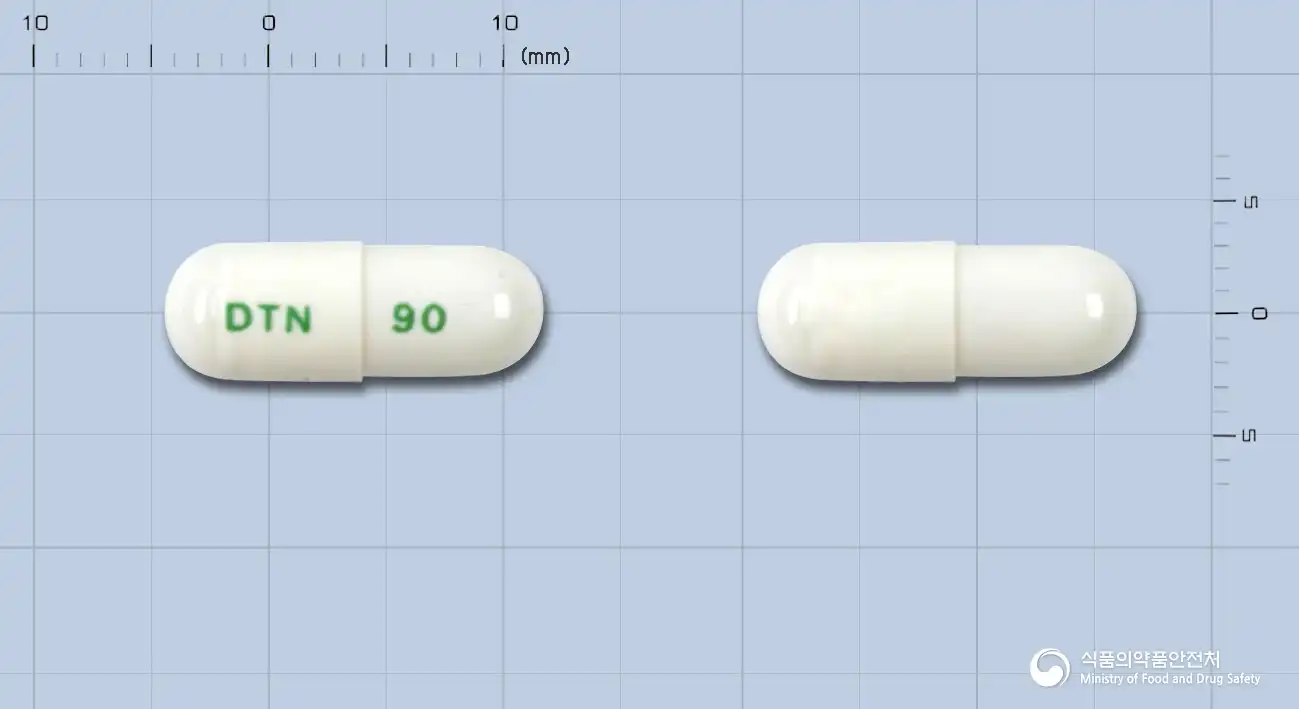
Diltiazem Acidic Polymer Complex 202.05mg
Prescription medication
Albozen Korea Co., Ltd.
Even with the same ingredient, the dose and directions can differ by strength and dosage form. Talk to a doctor or pharmacist before switching from a medication you are already taking.
No questions yet.
For anything that needs medical judgment, consult a doctor or pharmacist.
This drug information is based on data provided by the Korea Ministry of Food and Drug Safety.
Consult a doctor or pharmacist for accurate dosage, administration, and usage instructions.