
 한국어
 English
 日本語
 中文(简体)
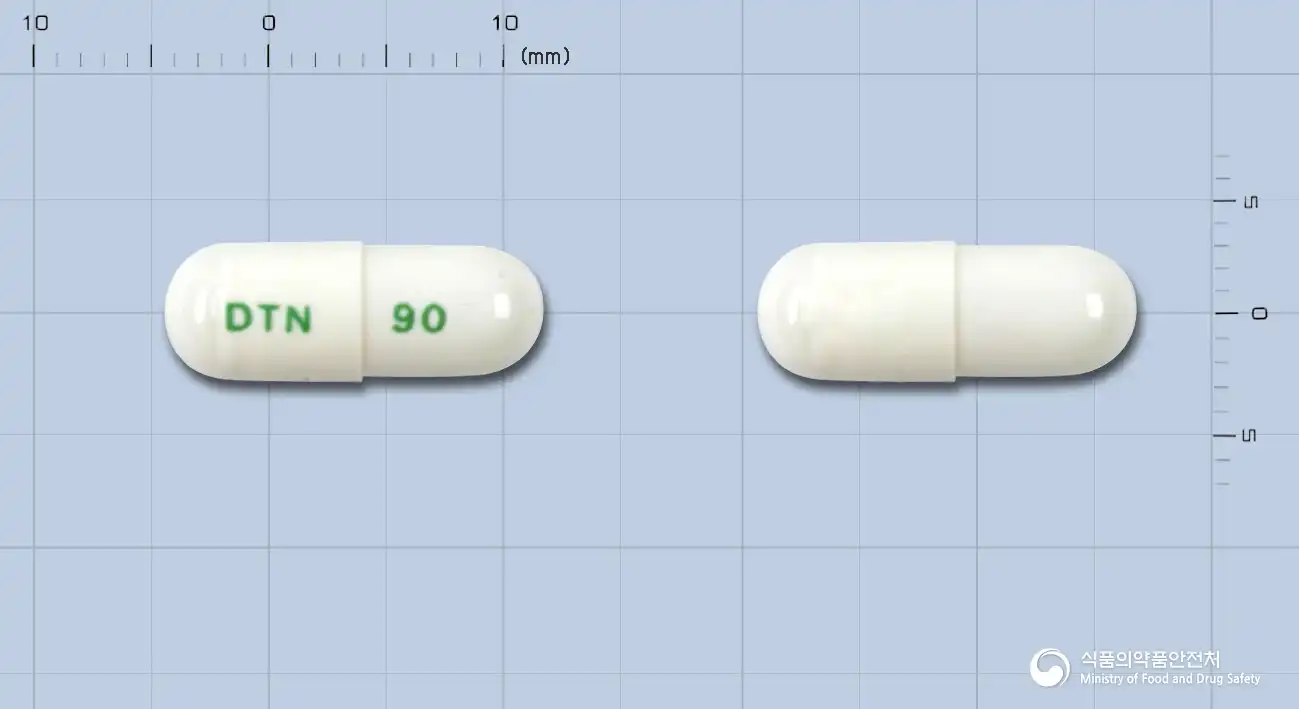 Viewing now
Diltelan Sustained-Release Capsule (Diltiazem Acidic Polymer Complex)
Diltiazem Acidic Polymer Complex 202.05mg
Prescription medication
Albozen Korea Co., Ltd.
MFDS item code 199200869 · Approved 1992.07.16 · Insurance code 652600590
Treatment of hypertension (essential, hypertensive emergency, etc.), angina, and supraventricular tachyarrhythmias
This drug is used to treat angina pectoris and essential hypertension (from mild to moderate) through orally administered sustained-release tablets or capsules. Additionally, as an injectable form, it is utilized for rapid and effective lowering of blood pressure in cases of tachyarrhythmias, especially those related to loss of control, and in emergency hypertension (hypertensive crises) that can occur during surgery. This medication helps alleviate symptoms and safely treat by improving heart and vascular health.
(Oral: extended-release capsules) 1. Adults: Administer 180㎎ of diltiazem hydrochloride orally once daily. The dose may be increased to 360㎎ per dose depending on symptoms. 2. Elderly patients and patients with hepatic or renal impairment: Administer 90-120㎎ once daily as the initial dose. Monitor heart rate during treatment; do not increase the dose if it decreases to 50 beats or less. Adjust the dose as appropriate according to age and symptoms. (Oral: extended-release tablets 30㎎) Adults: Administer 30-60㎎ of diltiazem hydrochloride orally per dose 3 times daily. Adjust the dose as appropriate according to age and symptoms. (Oral: extended-release tablets 90㎎) Adults: Administer 90㎎ of diltiazem hydrochloride orally per dose 2 times daily. If necessary, the dose may be increased to 90-180㎎ per dose. Adjust the dose as appropriate according to age and symptoms. (Injection) Dissolve this medicine in at least 5㎖ of normal saline injection or dextrose injection and administer as follows. 1. Tachyarrhythmia (supraventricular) Adults: Slowly administer 10㎎ of diltiazem hydrochloride intravenously over approximately 3 minutes per dose. 2. Emergency treatment of abnormal hypertension during surgery ① Intravenous bolus injection Adults: Slowly administer 10㎎ per dose intravenously over approximately 1 minute. ② Intravenous infusion Adults: Administer 5-15㎍ per ㎏ of body weight by intravenous infusion over 1 minute. After reducing blood pressure to the target level, adjust the infusion rate while monitoring blood pressure. 3. Hypertensive emergency (hypertensive crisis) Adults: Administer 5-15㎍ per ㎏ of body weight by intravenous infusion over 1 minute. After reducing blood pressure to the target level, adjust the infusion rate while monitoring blood pressure. Adjust the dose as appropriate according to age and symptoms.
This medication affects heart function, so it should not be used in patients with severe congestive heart failure or any abnormalities in the cardiac conduction system. Patients with very low blood pressure or in shock, as well as those allergic to this medication, should avoid administration. Pregnant women or those who may become pregnant should not take this medication, and caution is warranted for patients with specific cardiac pacemakers, excluding those with autonomic dysfunction syndrome. Patients with severely impaired liver or kidney function should be cautiously administered, as drug metabolism and excretion may be delayed, increasing the risk of side effects. This drug can cause a variety of side effects, with common symptoms including headache, nasal congestion, cough, constipation, myalgia, and dyspepsia; serious side effects such as cardiac rhythm disturbances or low blood pressure may also occur. If skin rash or allergic reactions occur, the medication should be immediately discontinued, and attention should be paid to any symptoms of liver dysfunction. Discontinuing this medication suddenly may worsen symptoms, so it should be tapered off slowly as instructed by a physician. Blood pressure may drop, leading to dizziness or lightheadedness; caution is advised when working at heights or driving. Patients with bronchial asthma or respiratory hypersensitivity may experience worsening symptoms after taking this medication, thus caution is advised. This drug interacts with many other medications, and side effects may increase or efficacy may change depending on other medications taken concurrently, hence consulting with a doctor or pharmacist is essential. Pregnant or breastfeeding women should avoid this medication or discontinue breastfeeding if necessary. Safety in children has not been sufficiently established, so it should be used cautiously in pediatric patients. In case of overdose, serious heart problems and low blood pressure may occur, so the dosage must be strictly adhered to, and dosages should not be increased without a doctor's guidance. This drug's capsules should not be chewed or opened and must be swallowed whole.
Not everyone experiences these, and they can vary from person to person.
This medication should be stored in a tightly closed container that is well-ventilated, and it is recommended to keep it at room temperature between 1 and 30 degrees Celsius. Proper storage maintains the drug's efficacy and prevents degradation.
Sustained-release capsule containing white or grayish spherical granules in a hard capsule that is white on both the top and bottom.
30 capsules/bottle, 150 capsules/bottle, 300 capsules/bottle
Even with the same ingredient, strength, dosage form and how it is taken can differ.
Viewing nowDiltiazem Acidic Polymer Complex 202.05mg
Prescription medication
Albozen Korea Co., Ltd.
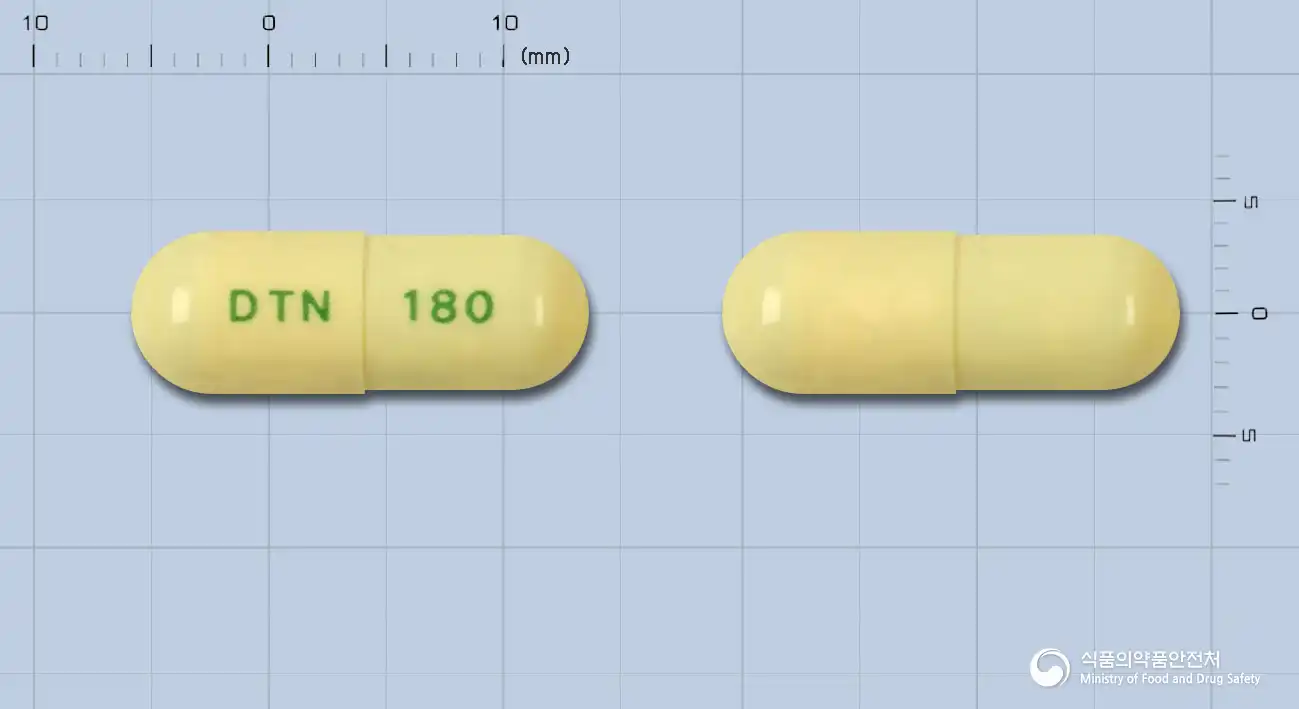
Diltiazem Acidic Polymer Complex 404.1mg
Hard capsule · Prescription medication
Alvogen Korea Co., Ltd.
Even with the same ingredient, the dose and directions can differ by strength and dosage form. Talk to a doctor or pharmacist before switching from a medication you are already taking.
No questions yet.
For anything that needs medical judgment, consult a doctor or pharmacist.
This drug information is based on data provided by the Korea Ministry of Food and Drug Safety.
Consult a doctor or pharmacist for accurate dosage, administration, and usage instructions.