
 한국어
 English
 日本語
 中文(简体)
 Viewing now
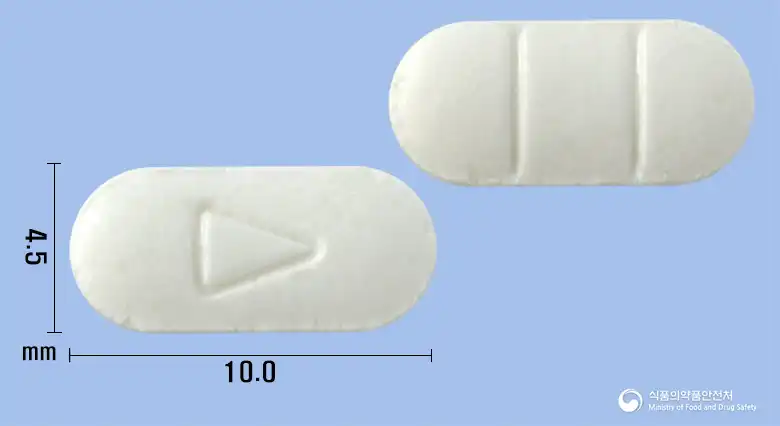
Tritico Extended-Release Tablets 75 mg (Trazodone Hydrochloride)
Trazodone Hydrochloride 75mg
Tablet · Prescription medication
Kukje Pharmaceutical Co., Ltd.
MFDS item code 199200407 · Approved 1992.07.31 · Insurance code 643702350
Improvement of depression symptoms
This medication is used for depression.
As an initial dose, take 150 mg of trazodone hydrochloride orally daily and increase by 50 mg daily every 3 to 4 days. For outpatients, do not exceed 400 mg daily; for hospitalized patients (with severe depression), do not exceed 600 mg daily. Elderly patients should start with an initial dose of 100 mg orally per day and then gradually increase the daily dosage. Do not exceed 100 mg in a single dose, and do not exceed 300 mg daily.
This medication is primarily used to treat psychiatric disorders related to depression. During the use of this medication, there is an increased risk of suicidal thoughts or behaviors, particularly in young individuals aged 18 to 24, so it is essential that both patients and caregivers closely monitor the patient's condition. The safety of this medication has not been established in children and adolescents, and its use is not recommended. There may be occurrences of prolonged erections, in which case patients must immediately stop taking the medication and consult a physician. Patients with hypersensitivity reactions or those taking certain other medications, particularly MAO inhibitors, should not use this medication. Patients with heart disease or impaired liver or kidney function should use this medication with special caution and closely monitor for worsening symptoms. This medication can cause drowsiness or decreased concentration; therefore, caution is needed when driving or operating hazardous machinery. During use, it is important to monitor for adverse reactions regularly through blood tests or other examinations. If this medication is suddenly discontinued, withdrawal symptoms such as headaches, anxiety, and sleep disturbances may occur, so it should be gradually reduced according to a physician's instructions. Additionally, this medication can interact with other drugs, so patients must inform their physician or pharmacist if they are taking other medications. Women who are pregnant or breastfeeding should definitely consult a physician before using this medication, and if necessary, they should discontinue breastfeeding. Elderly patients may have reduced physical functions, so dosage adjustments and caution are necessary when using this medication. In cases of overdose, severe side effects may occur, so it is crucial to adhere to the prescribed dosage and seek immediate medical attention if unusual symptoms arise. Finally, this medication should be kept out of the reach of children, and transferring it to other containers should be avoided to help maintain its quality.
Not everyone experiences these, and they can vary from person to person.
This medication should be stored at room temperature, and it is vital to keep it in a tightly sealed container to prevent air from entering. By doing so, the medication's efficacy can be preserved for an extended period.
White elongated-shaped extended-release tablet
30 tablets/bottle, 300 tablets/bottle
Even with the same ingredient, strength, dosage form and how it is taken can differ.
Viewing nowTrazodone Hydrochloride 75mg
Tablet · Prescription medication
Kukje Pharmaceutical Co., Ltd.

Trazodone Hydrochloride 50mg
Tablet · Prescription medication
International Pharmaceutical Co., Ltd.

Trazodone Hydrochloride 25mg
Tablet · Prescription medication
International Pharmaceutical Co., Ltd.

Trazodone Hydrochloride 25mg
Hard capsule · Prescription medication
Hwanin Pharmaceutical Co., Ltd.

Trazodone Hydrochloride 25mg
Hard capsule · Prescription medication
Myung In Pharmaceutical Co., Ltd.
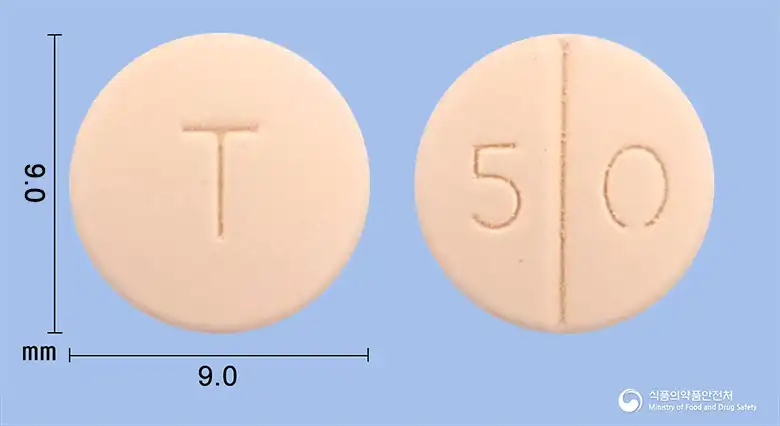
Trazodone Hydrochloride 50mg
Tablet · Prescription medication
Myeongin Pharmaceutical Co., Ltd.
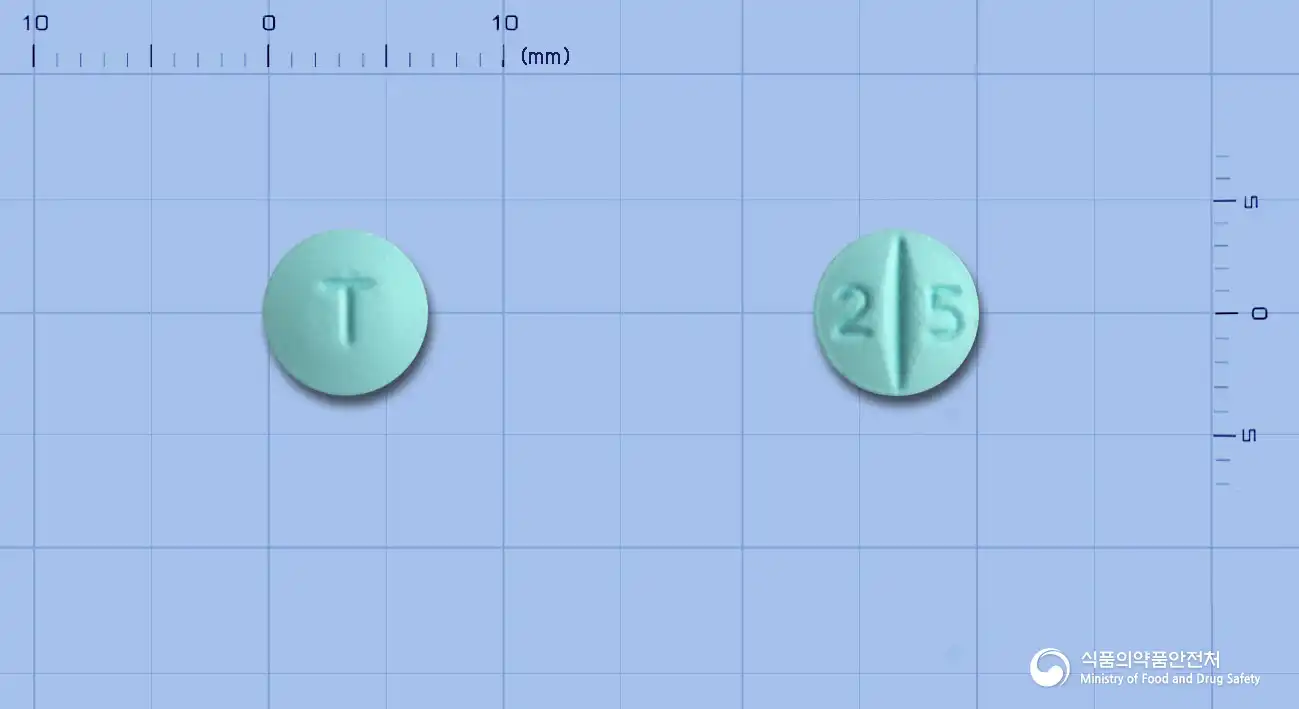
Trazodone Hydrochloride 25mg
Tablet · Prescription medication
Myeong In Pharmaceutical Co., Ltd.
Even with the same ingredient, the dose and directions can differ by strength and dosage form. Talk to a doctor or pharmacist before switching from a medication you are already taking.
No questions yet.
For anything that needs medical judgment, consult a doctor or pharmacist.
This drug information is based on data provided by the Korea Ministry of Food and Drug Safety.
Consult a doctor or pharmacist for accurate dosage, administration, and usage instructions.