
 한국어
한국어 English
 日本語
日本語 中文(简体)
 Viewing now
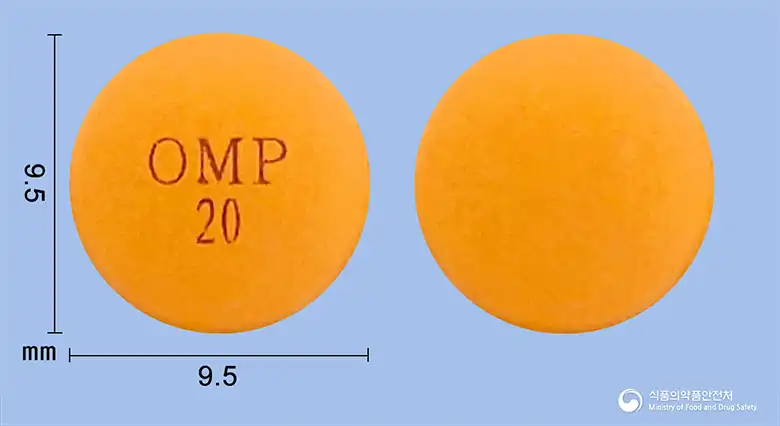
OMP Tablets 20 Milligrams (Omeprazole)
Omeprazole 20mg
Tablet · Prescription medication
(Stock Company) Chongkundang
MFDS item code 199200236 · Notified 1992.11.30 · Insurance code 643302040
Improvement of symptoms of gastric ulcers and gastroesophageal reflux disease and prevention of ulcer recurrence
This medication is used for the short-term treatment of gastric ulcers and duodenal ulcers. It also helps alleviate symptoms such as heartburn and regurgitation associated with gastroesophageal reflux disease (GERD). It is effective for maintenance therapy in severe reflux esophagitis and difficult-to-treat peptic ulcers. It is used in the treatment of Zollinger-Ellison syndrome and may be combined with antibiotics to prevent the recurrence of duodenal ulcers in patients with Helicobacter pylori infection. It is also used for the treatment and prevention of gastric and duodenal ulcers or erosions caused by nonsteroidal anti-inflammatory drugs (NSAIDs). Thus, it is effectively used for the treatment and prevention of various gastrointestinal-related diseases.
1) Gastric ulcer: Administer 20mg orally once daily of omeprazole. If not healed, continue for an additional 4 weeks. If no effect, administer 40mg once daily and expect healing within 8 weeks. Repeat treatment in case of recurrence. 2) Short-term treatment of duodenal ulcer: Administer 20mg orally once daily. If not healed, continue for an additional 2 weeks. If no effect, administer 40mg once daily.
This drug should not be used in patients with hypersensitivity to its components. Care should be taken when administering to patients with gastric ulcers suspected of being malignant, as symptom relief may delay diagnosis. It cannot be taken with certain antiviral medications, so a consultation with a physician is necessary. Patients with poor liver function or the elderly should use this medication cautiously, and dosage adjustments may be necessary. Neurological symptoms such as headaches, drowsiness, or dizziness may appear, and if there are indications of liver dysfunction, the medication should be stopped immediately. Gastrointestinal side effects like diarrhea, nausea, and abdominal pain may frequently occur, and symptoms should be monitored. If skin rashes or itching occur, or in severe cases, severe skin reactions occur, the medication should be stopped immediately and a doctor consulted. Rarely, hypersensitivity reactions such as angioedema or shock may occur, so any unusual symptoms should be reported to medical personnel immediately. Long-term use may increase the risk of fractures or cause hypomagnesemia, so regular examinations are necessary. This drug can interact with other medications, so any ongoing medications should be disclosed to healthcare providers. Pregnant or nursing women should carefully consider the risks and benefits of this drug and should avoid it if possible. Safety in children has not been adequately confirmed, so use in children should be approached with caution. In case of overdose, symptoms such as vomiting, diarrhea, and headaches may occur, and if any abnormal symptoms arise, immediate medical attention should be sought. This medication should be stored out of reach of children and should not be transferred to different containers; the lid should be tightly closed after use.
Not everyone experiences these, and they can vary from person to person.
This medication should be stored in a sealed container to prevent air or moisture from entering. It should be kept at normal room temperature, away from overly hot or cold areas.
Orange round delayed-release film-coated tablet
28 tablets per bottle
Even with the same ingredient, strength, dosage form and how it is taken can differ.
Viewing nowOmeprazole 20mg
Tablet · Prescription medication
(Stock Company) Chongkundang
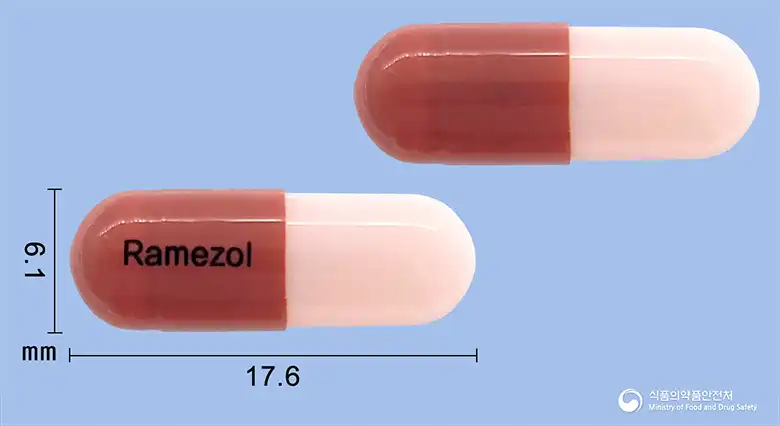
Omeprazole 20mg
Hard capsule · Prescription medication
Hanmi Pharmaceutical Co., Ltd.
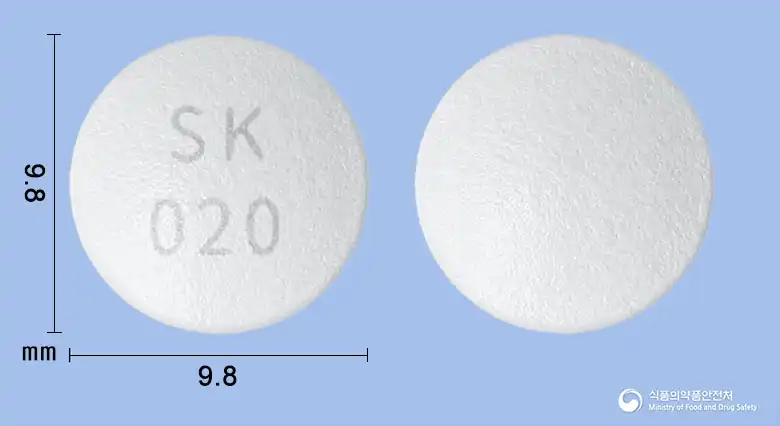
Omeprazole 20mg
Tablet · Prescription medication
SK Chemicals Co., Ltd.
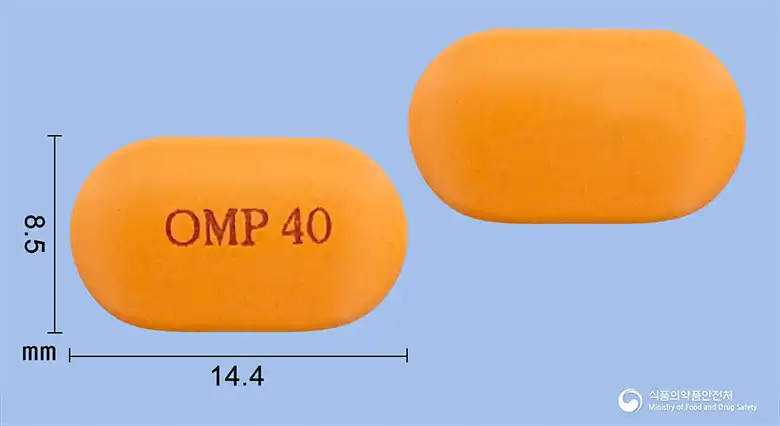
Omeprazole 40mg
Tablet · Prescription medication
Jongkundang Co., Ltd.
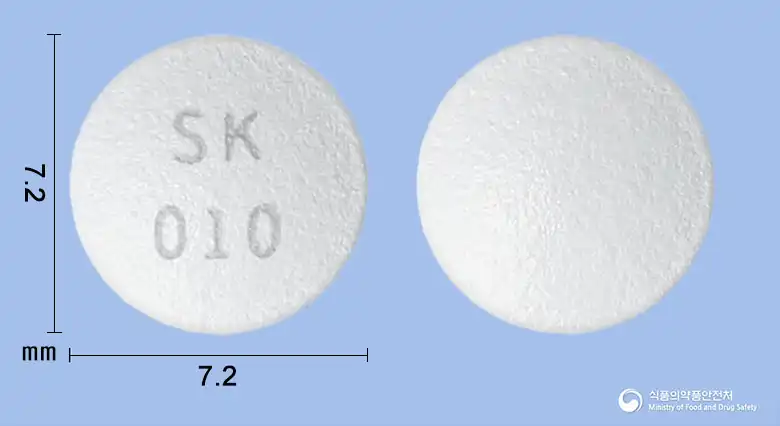
Omeprazole 10mg
Tablet · Prescription medication
SK Chemicals Co., Ltd.
Even with the same ingredient, the dose and directions can differ by strength and dosage form. Talk to a doctor or pharmacist before switching from a medication you are already taking.
No questions yet.
For anything that needs medical judgment, consult a doctor or pharmacist.
This drug information is based on data provided by the Korea Ministry of Food and Drug Safety.
Consult a doctor or pharmacist for accurate dosage, administration, and usage instructions.