
 한국어
 English
 日本語
 中文(简体)
 Viewing now
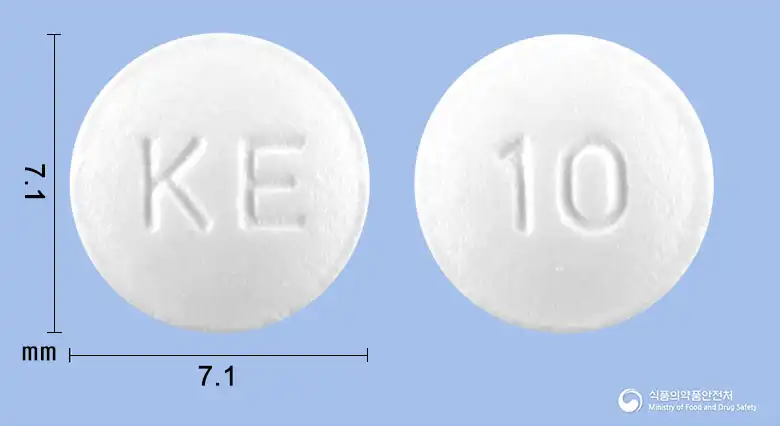
Bukwang Kelong Tablet 10 mg (Betaxolol Hydrochloride)
Betaxolol Hydrochloride 10mg
Tablet · Prescription medication
Bukwang Pharmaceutical Co., Ltd.
MFDS item code 199101531 · Notified 1991.06.07 · Insurance code 642201030
Treatment of essential hypertension and angina
Essential hypertension and angina are representative conditions that fall under cardiovascular diseases. Essential hypertension is a disease characterized by persistently high blood pressure, placing a burden on the heart and blood vessels, while angina involves chest pain resulting from insufficient blood supply to the heart muscle. This medication is used to stabilize blood pressure and improve blood flow to the heart, thereby treating essential hypertension and angina.
Adults: Administer 10㎎ of betaxolol hydrochloride orally once daily; the dose may be increased to a maximum of 20㎎ daily. Adjust the dose appropriately according to age and symptoms.
This medication can cause severe heart problems or sudden death if abruptly discontinued in patients with angina; therefore, the dosage must be tapered slowly. It should not be administered to patients with specific heart and respiratory conditions, such as bradycardia, heart block, heart failure, severe asthma, or profound hypotension. Individuals with diabetic ketoacidosis or metabolic acidosis should also avoid this medication, as well as those with genetic issues like lactose intolerance. Care should be exercised when administering this medication to patients with bronchial asthma, chronic obstructive pulmonary disease, peripheral circulation disorders, thyroid dysfunction, or severely impaired liver or kidney function. This medication may cause side effects such as bradycardia, fatigue, shortness of breath, headache, and erectile dysfunction. If symptoms like slowed heart rate, decreased blood pressure, or edema occur, consult a doctor immediately. Additionally, diabetic patients who have difficulty controlling blood sugar should closely monitor for hypoglycemic symptoms, and individuals with hyperthyroidism should also exercise caution. Do not suddenly discontinue the medication; it should be reduced gradually, especially in patients with coronary artery disease. This medication may affect glaucoma tests, so it is advised to inform the ophthalmologist of its use. Patients with poor kidney function may require dosage adjustment, and regular heart function tests should be conducted during long-term use. Due to multiple drug interactions, it is essential to consult healthcare professionals when taking it with warfarin, calcium channel blockers, antiarrhythmics, and antidepressants. Pregnant women or those who may become pregnant should avoid using this medication, and it is also recommended to avoid use while breastfeeding. Caution is needed when driving or operating machinery, as dizziness or fatigue may occur. Safety has not been adequately established for children or the elderly, so special caution is warranted when using this medication in these populations. In the case of overdose, severe bradycardia, hypotension, bronchospasm, etc., may occur, and emergency treatment should be sought immediately. In emergency situations, drug treatment with atropine or dobutamine may be necessary. This medication should be kept out of reach of children and stored in its original container to prevent quality deterioration or misuse. Finally, this medication may exacerbate symptoms of depression, so it is crucial to monitor mental health status diligently.
Not everyone experiences these, and they can vary from person to person.
This medication should be stored in a sealed container to protect it from air and moisture, and it is recommended to store it at room temperature. In other words, it should be kept at a moderate temperature, neither too hot nor too cold, for safe use.
White round film-coated tablets
30 tablets/bottle, 100 tablets/bottle
Even with the same ingredient, strength, dosage form and how it is taken can differ.
Viewing nowBetaxolol Hydrochloride 10mg
Tablet · Prescription medication
Bukwang Pharmaceutical Co., Ltd.
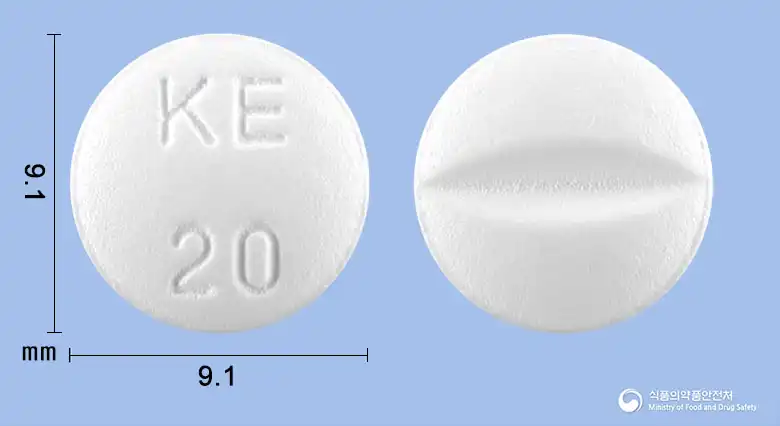
Betaxolol Hydrochloride 20mg
Tablet · Prescription medication
Bukwang Pharmaceutical Co., Ltd.
Betaxolol Hydrochloride 20mg
Tablet · Prescription medication
Jinyang Pharmaceutical Co., Ltd.
Betaxolol Hydrochloride 5.6mg
Eye drops · Prescription medication
Korea Novartis Co., Ltd.
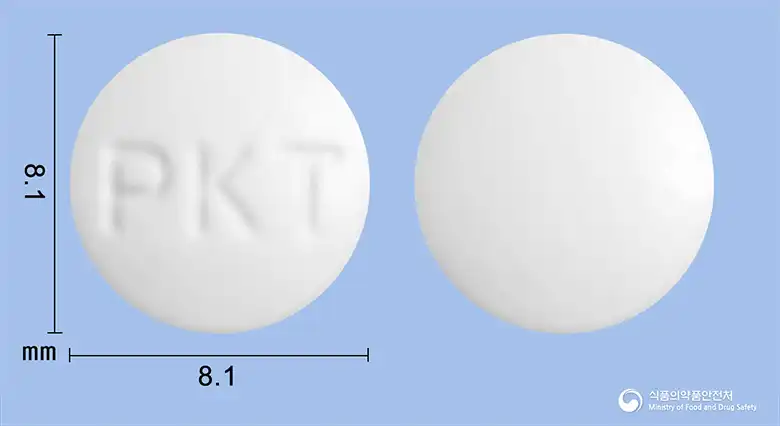
Betaxolol Hydrochloride 20mg
Tablet · Prescription medication
Korea Pavis Pharmaceutical Co., Ltd.
Betaxolol Hydrochloride 2.8mg
Suspension · Prescription medication
Novartis Korea Co., Ltd.
Even with the same ingredient, the dose and directions can differ by strength and dosage form. Talk to a doctor or pharmacist before switching from a medication you are already taking.
No questions yet.
For anything that needs medical judgment, consult a doctor or pharmacist.
This drug information is based on data provided by the Korea Ministry of Food and Drug Safety.
Consult a doctor or pharmacist for accurate dosage, administration, and usage instructions.