한국어
 English
 日本語
 中文(简体)
 Viewing now
Mapidin Tablet 10 mg (Manidipine Hydrochloride)
Manidipine Hydrochloride 10mg
Tablet · Prescription medication
HK Inno.N Co., Ltd.
MFDS item code 199101298 · Notified 1991.08.30 · Insurance code 640000310
Treatment of hypertension
This medication is used for the treatment of hypertension.
Adults: Administer 5㎎ of manidipine hydrochloride orally once daily as the initial dose, and increase it slowly as needed to a maintenance dose of 10-20㎎ once daily. Adjust the dose as appropriate according to age and symptoms.
This medication should not be used by pregnant women or women who may become pregnant. Caution is required when using this medication in patients with severely impaired liver function or the elderly. During treatment, liver function test values may increase, so regular monitoring of liver status is necessary, and if abnormalities are found, the medication should be discontinued. Renal function test values may also change, so renal status should be closely monitored, and if issues are found, administration should be stopped. Leukocyte counts may decrease during blood tests, so blood status should be periodically checked. If allergic reactions such as rash or itching occur, the medication should be stopped immediately. Symptoms such as flushing of the face, fever, and rapid heartbeat may occur, so caution is warranted. Neurological symptoms such as dizziness, headache, and drowsiness may occur, so it is advisable to avoid driving or operating hazardous machinery. Gastrointestinal symptoms such as nausea, vomiting, abdominal pain, and diarrhea may occur, and in rare cases, peritoneal effusion may become cloudy. Gynecomastia may occur rarely, so if these symptoms arise, the medication should be discontinued. Abruptly stopping the medication may worsen symptoms, so the dosage should be gradually reduced according to the physician's instructions. Blood pressure may drop excessively, so dosage adjustment or a break may be necessary if symptoms occur. This medication can have enhanced effects when used with other antihypertensive medications, so caution is required. It should not be used in pregnant women, and in breastfeeding mothers, it should be avoided if possible, but if necessary, breastfeeding should be discontinued. Elderly patients should start with a low dose and be closely monitored for their condition. Safety in pediatric patients has not been established, so its use is not recommended.
Not everyone experiences these, and they can vary from person to person.
This medication may be sensitive to light, so it should be stored in a tightly closed container that blocks light. Additionally, the medication is best stored at room temperature between 1 to 30 degrees Celsius. This storage condition helps maintain the effectiveness of the medication and prevent degradation.
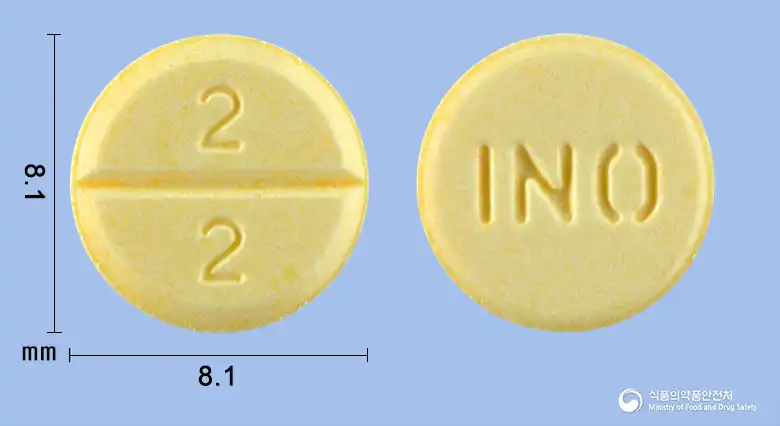
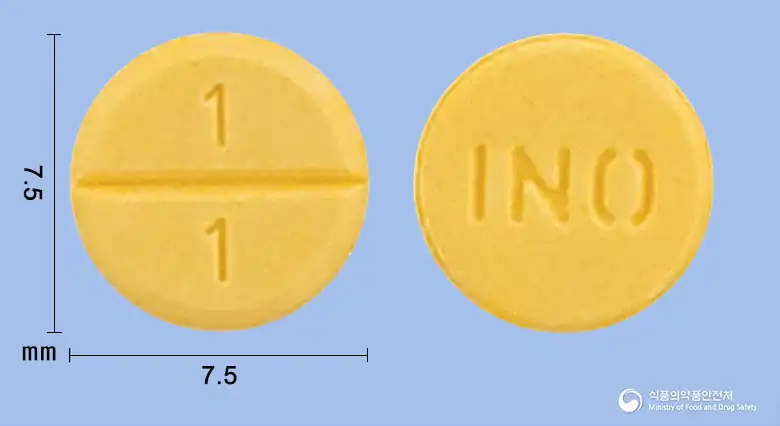
Pale yellow round tablets
30 tablets (10 tablets/PTP packaging x 3), 100 tablets/bottle
Even with the same ingredient, strength, dosage form and how it is taken can differ.
Even with the same ingredient, the dose and directions can differ by strength and dosage form. Talk to a doctor or pharmacist before switching from a medication you are already taking.
No questions yet.
For anything that needs medical judgment, consult a doctor or pharmacist.
This drug information is based on data provided by the Korea Ministry of Food and Drug Safety.
Consult a doctor or pharmacist for accurate dosage, administration, and usage instructions.