
 한국어
한국어 English
 日本語
日本語 中文(简体)
 Viewing now
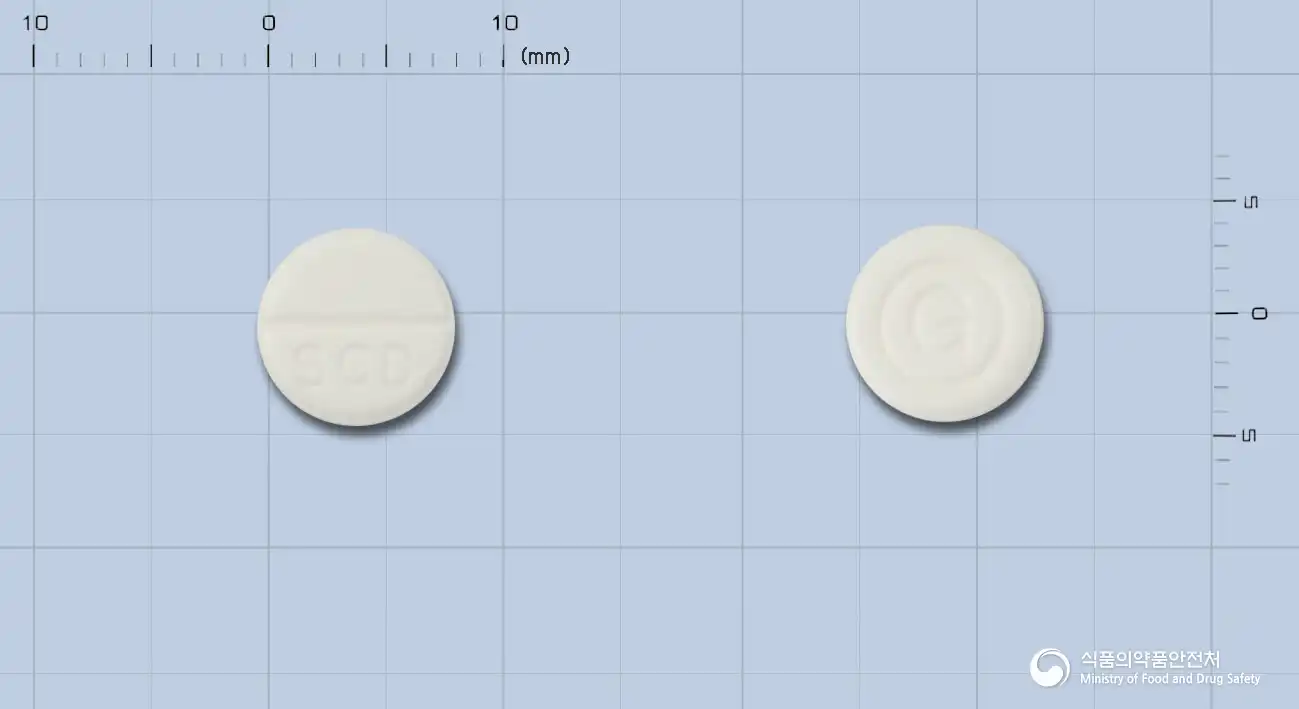
Samchundang Gliclazide Tablet (Gliclazide)
Gliclazide 80mg
Tablet · Prescription medication
(Samchundang Pharmaceuticals Co., Ltd.)
MFDS item code 199100969 · Notified 1991.10.23 · Insurance code 651200610
Improvement of blood sugar control in type 2 diabetes
This medication is used for patients with type 2 diabetes who find it difficult to control blood sugar levels with diet and exercise alone. It effectively lowers blood sugar levels and contributes to the prevention of complications. Regular use can improve blood sugar control and help maintain a healthy lifestyle.
Tablets and capsules: Start with 40-80 mg of gliclazide daily, administered orally in 1-2 divided doses. Depending on the patient's blood sugar status, the dose may be increased to a maximum of 320 mg daily in two doses, not exceeding 160 mg in a single dose. Extended release: Administer 30-120 mg of gliclazide in the morning daily, adjusting the dose based on blood sugar levels. The initial dose is 30 mg per day.
This medication is a sulfonylurea that works to lower blood sugar levels. However, caution is required as hypoglycemia may occur when using this medication. Especially, severe hypoglycemia can lead to loss of consciousness, so it is critical to adhere strictly to the dosage and check blood sugar regularly. Symptoms of hypoglycemia may include weakness, headache, tremors, confusion, and visual disturbances; if these symptoms occur, immediate ingestion of sugar is necessary. This medication should not be used by patients with type 1 diabetes, diabetic ketoacidosis, severe liver or kidney impairment, severe infections, or those undergoing surgery, patients with severe gastrointestinal disorders, and individuals allergic to any components of this medication. Additionally, pregnant or nursing women should not take this medication, and elderly patients or those with impaired liver or kidney function should use it cautiously due to a higher risk of hypoglycemia. This medication can interact with other drugs, so it is advised to consult a physician, especially when taken with miconazole, certain anti-inflammatory agents, alcohol, or beta-blockers. During treatment, regular meals, exercise, and self-monitoring of blood sugar are very important, as skipping meals or irregular eating can increase the risk of hypoglycemia. In case of overdose, severe hypoglycemic symptoms may develop, and immediate medical attention is required.
Not everyone experiences these, and they can vary from person to person.
This medication should be stored in a tightly closed container to prevent air exposure, and it is recommended to keep it at room temperature between 1 to 30 degrees Celsius. This helps maintain the medication's effectiveness for a longer period.
White round tablets
30 tablets/bottle, 300 tablets/bottle
Even with the same ingredient, strength, dosage form and how it is taken can differ.
Viewing nowGliclazide 80mg
Tablet · Prescription medication
(Samchundang Pharmaceuticals Co., Ltd.)
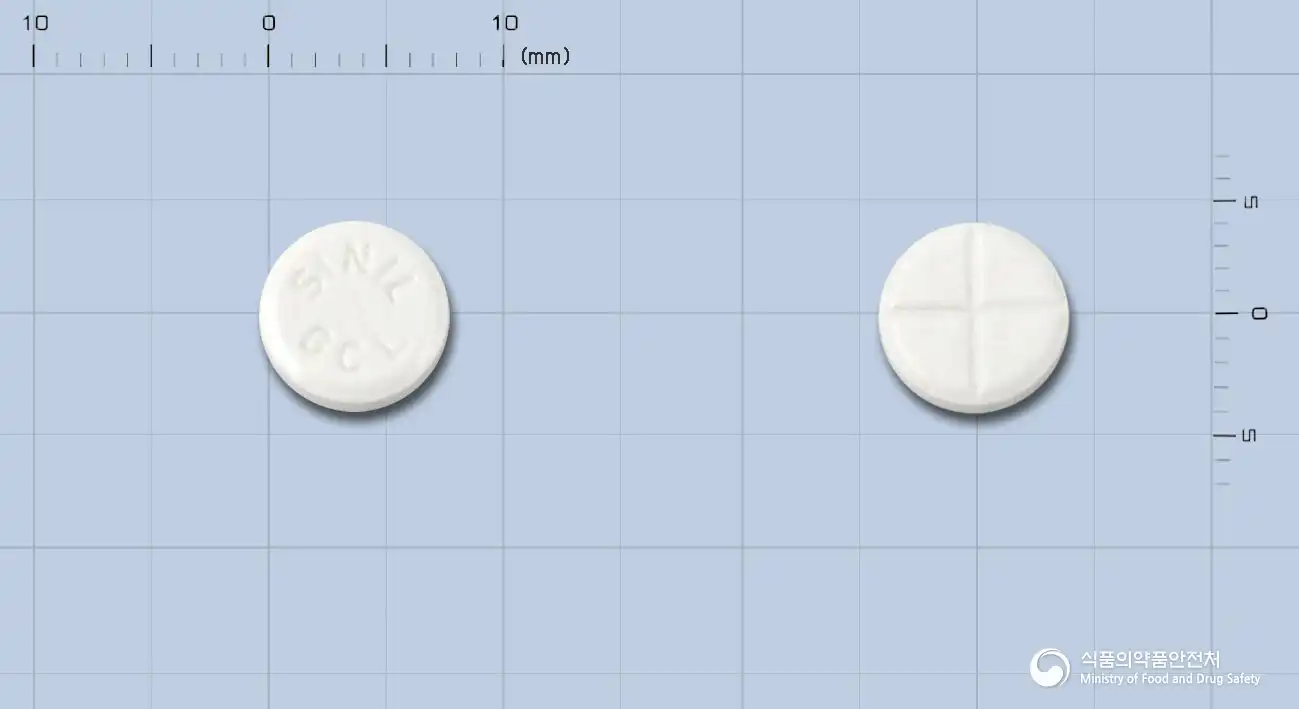
Gliclazide 80mg
Tablet · Prescription medication
(Shinil Pharmaceutical Co., Ltd.)
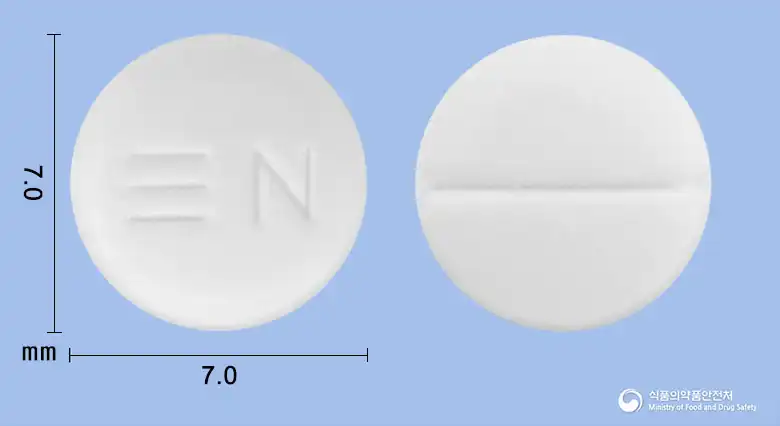
Gliclazide 80mg
Tablet · Prescription medication
(Samnam Pharmaceutical Co., Ltd.)
Gliclazide 80mg
Tablet · Prescription medication
SK Chemicals Co., Ltd.
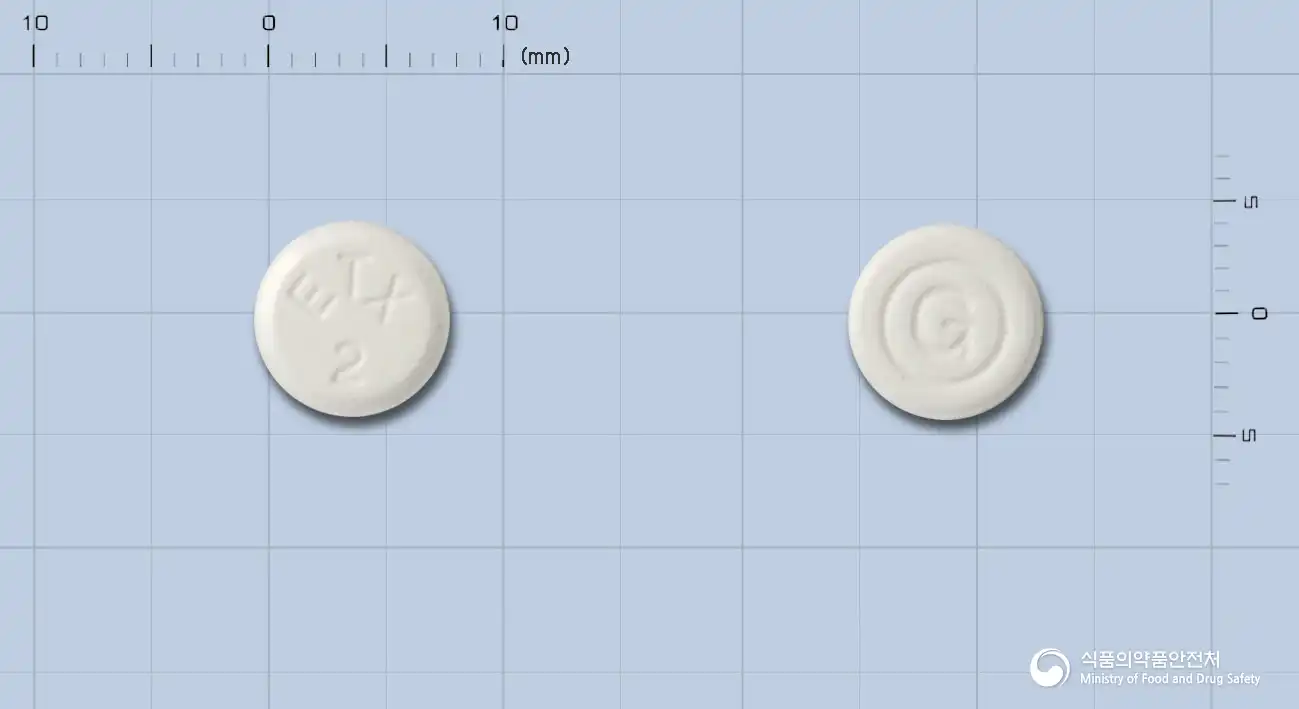
Gliclazide 80mg
Tablet · Prescription medication
Teragen Itex Co., Ltd.
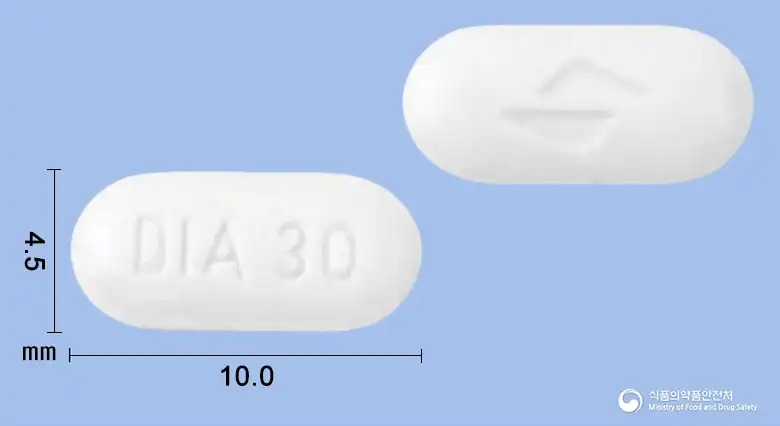
Gliclazide 30mg
Tablet · Prescription medication
Korea Servier Co., Ltd.
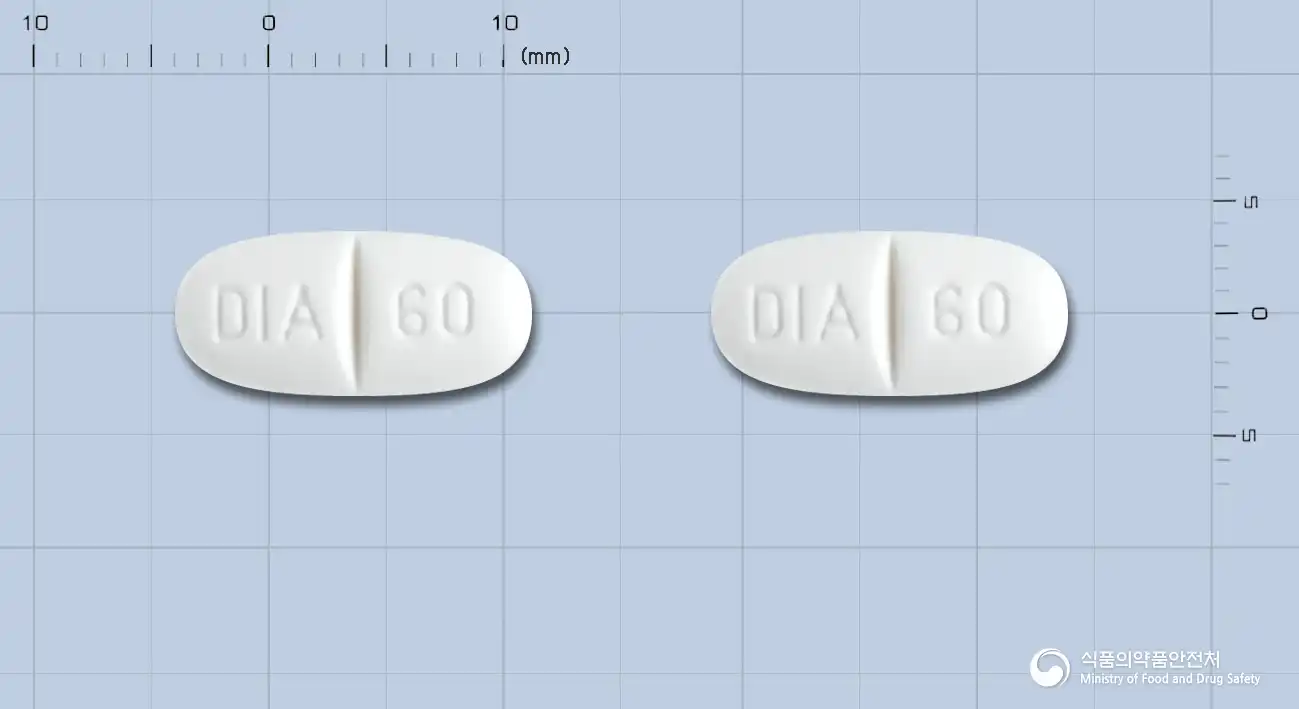
Gliclazide 60mg
Tablet · Prescription medication
Korea Servier Co., Ltd.
Even with the same ingredient, the dose and directions can differ by strength and dosage form. Talk to a doctor or pharmacist before switching from a medication you are already taking.
No questions yet.
For anything that needs medical judgment, consult a doctor or pharmacist.
This drug information is based on data provided by the Korea Ministry of Food and Drug Safety.
Consult a doctor or pharmacist for accurate dosage, administration, and usage instructions.