
 한국어
 English
 日本語
 中文(简体)
Summary
- Main use
- Relief of inflammation associated with joint disorders (e.g., rheumatoid arthritis and osteoarthritis) and trauma
- Who takes it
- Adults
- Adult dose
- Adults: Administer 300-600㎎ of proglumetacin maleate per day orally in 2-3 divided doses. The dose may be adjusted appropriately according to age and symptoms.
Ingredients
- Manufacturer
- Hanol BioPharma Co., Ltd.
Efficacy & effects
Relief of inflammation associated with joint disorders (e.g., rheumatoid arthritis and osteoarthritis) and trauma
- Rheumatoid arthritis
- osteoarthritis
- adhesive capsulitis
- inflammation due to trauma
View approved original textHide original text
This medication is used for inflammatory diseases occurring in the joints and surrounding tissues such as rheumatoid arthritis, osteoarthritis (degenerative joint disease), and adhesive capsulitis. It is also effective in alleviating inflammation caused by trauma. It helps reduce pain and stiffness associated with these conditions, contributing to comfort in daily life.
How to take
Adult dose
Adults: Administer 300-600㎎ of proglumetacin maleate per day orally in 2-3 divided doses. The dose may be adjusted appropriately according to age and symptoms.
Precautions
This medication may cause gastric bleeding if taken by individuals who regularly consume more than three alcoholic beverages daily; it is essential to consult a doctor or pharmacist. This medication can affect the cardiovascular system, increasing the risk of serious thrombotic events such as myocardial infarction or stroke; caution is advised for those with cardiovascular diseases or risk factors. It may also impact the gastrointestinal tract, presenting the risk of serious adverse reactions such as bleeding, ulcers, and perforations; therefore, elderly patients or those with a history of gastrointestinal diseases should use it with extra caution. Patients with peptic ulcers, severe blood disorders, liver impairment, kidney impairment, heart failure, hypertension, pancreatitis, or known allergies to its ingredients should not take this medication. For those with a history of peptic ulcers, blood disorders, liver or kidney impairment, heart failure, hypertension, pancreatitis, central nervous system diseases, asthma, autoimmune diseases, enteritis, and the elderly, increased caution is necessary when using this medication. During treatment, gastrointestinal symptoms such as stomach pain, nausea, vomiting, abdominal pain may occur, and various side effects including blood disorders, allergic reactions, visual disturbances, kidney function impairment, liver function abnormalities, headaches, dizziness, skin rashes may arise; if any unusual symptoms occur, immediate consultation with healthcare professionals is recommended. This medication should be used at the minimum effective dose for the shortest duration possible, and regular blood tests as well as liver and kidney function tests are necessary for long-term use. Avoid concurrent use with other non-steroidal anti-inflammatory drugs, and interactions may occur with certain medications; thus, it is essential to inform healthcare providers of any current medications. Women who are pregnant or may become pregnant should not use this medication, and breastfeeding women are advised to discontinue breastfeeding or stop taking the medication. The safety for children has not been established, and as a principle, it should not be administered; elderly patients should use the minimum effective dose with caution regarding side effects. To reduce gastrointestinal discomfort, it is advisable to take the medication immediately after meals or with food, milk, or antacids, and store it out of reach of children.
Side effects
- Peptic ulcer
- gastrointestinal bleeding
- stomach pain
- nausea
- vomiting
- abdominal discomfort
- constipation
- diarrhea
- heartburn
- loss of appetite
Show 48 moreCollapse
- gastric region
- abdominal pain
- stomatitis
- thirst
- epigastric pain
- chest discomfort
- chest fullness
- taste disturbance
- metallic taste
- decreased red blood cells
- decreased hematocrit level
- decreased white blood cells
- decreased platelets
- aplastic anemia
- hemolytic anemia
- itching
- rash
- redness
- eczema
- urticaria
- dermatitis
- asthma attack
- eye congestion
- tinnitus
- corneal opacity
- retinal disorders
- urinary deposits
- acute renal failure
- nephrotic syndrome
- elevated GOT (AST)
- elevated GPT (ALT)
- elevated AL-P
- headache
- dizziness
- drowsiness
- lifespan
- palpitations
- chest tightness
- sensitivity in the thorax
- mucous membrane syndrome
- toxic epidermal necrolysis
- shock
- edema
- fever
- generalized weakness
- fatigue
- tongue rash
- diabetes
Not everyone experiences these, and they can vary from person to person.
Storage
This medication should be stored in a tightly closed container to protect it from air and moisture. It is also recommended to keep it at room temperature, avoiding extreme heat or cold.
Appearance and packaging
Appearance
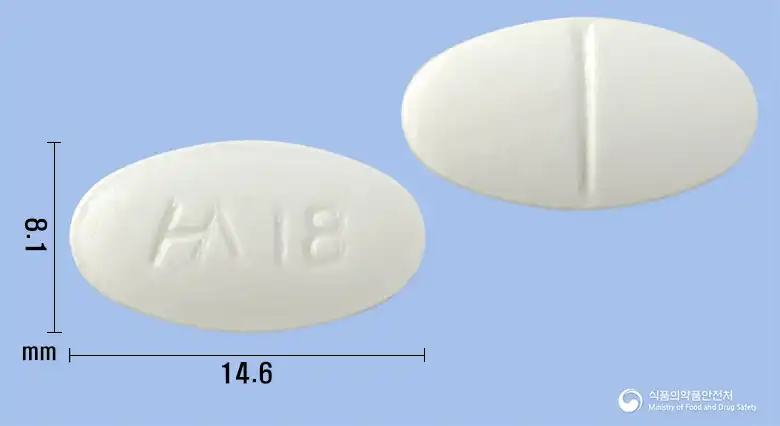
White oval film-coated tablet
Package unit
30 tablets/bottle, 100 tablets/bottle
Questions about this medicine
No questions yet.
For anything that needs medical judgment, consult a doctor or pharmacist.