
 한국어
 English
 日本語
 中文(简体)
Dosage form image
Viewing nowIsobide Tablet (Isosorbide Dinitrate)
Isosorbide Mononitrate 22.23mg
Tablet · Prescription medication
Ildong Pharmaceutical Co., Ltd.
MFDS item code 199100435 · Notified 1991.10.02
This product's status changed to Approval withdrawn on 2023.11.29. It may no longer be sold, so consult a doctor or pharmacist before taking it.
Treatment of coronary artery disease (e.g., angina); adjunctive treatment of congestive heart failure
This medication is used to treat coronary heart diseases, such as angina and myocardial infarction. It also helps improve symptoms when used in combination with cardiac glycosides or diuretics as adjunct therapy for congestive heart failure. Therefore, it is effectively used to enhance heart health and alleviate symptoms.
Adults: Administer 20㎎ of isosorbide mononitrate orally 2-3 times daily. Adjust the dose appropriately according to age and symptoms.
This drug should not be used in patients with glaucoma or hypersensitivity to nitrate compounds. Patients with severe hypotension, cardiac shock, or severe anemia should also refrain from taking this medication. Patients with cerebral hemorrhages or head trauma should avoid this drug due to the risk of increased intracranial pressure. It is advisable not to use this drug in patients with acute myocardial infarction who have low left ventricular filling pressure, hypertrophic obstructive cardiomyopathy, or constrictive pericarditis. Additionally, this product contains lactose, so patients with lactose intolerance or related genetic issues should not take it. Patients with hypotension, primary pulmonary hypertension, the elderly, individuals with orthostatic regulatory disorders, and those with aortic stenosis or mitral stenosis should use caution when taking this medication. While taking this medication, symptoms such as dizziness, flushing, and palpitations may appear, and rarely, blood pressure may drop too low or swelling may occur. CNS symptoms such as headaches, insomnia, and lethargy may also occur, so caution is needed. If skin rashes or itching occur, use should be discontinued immediately. Gastrointestinal symptoms may include abdominal pain, diarrhea, and nausea, and liver function abnormalities may arise, so regular monitoring of liver status is necessary. This medication is not suitable for alleviating angina attacks; for severe attacks, other fast-acting nitrate formulations should be used. If symptoms worsen or do not improve, it may be necessary to switch to other treatment methods. Abruptly discontinuing nitrate medications can exacerbate symptoms; therefore, it should not be stopped without a physician's guidance. If blood pressure drops too low, discontinue the drug and seek appropriate treatment, also paying attention to orthostatic hypotension. When taken with other specific medications, it can worsen cardiac rhythm abnormalities or hypotension, so it is essential to consult with a doctor. Women who are pregnant or could become pregnant should carefully consider the risks and benefits of using this medication, and if breastfeeding, it is advisable to avoid administration or discontinue breastfeeding. Safety in children has not been established, so there is insufficient experience with use in this population. Elderly patients may have decreased liver and kidney function, so starting at a lower dose and carefully monitoring for side effects is recommended.
Not everyone experiences these, and they can vary from person to person.
This medication may be sensitive to air or moisture, so it should be stored in a sealed container. When storing, avoid direct sunlight, and it is best to keep it at room temperature, that is, at general ambient temperatures that are neither too hot nor too cold.
White round tablets
30 tablets/bottle, 100 tablets/bottle
Even with the same ingredient, strength, dosage form and how it is taken can differ.
Isosorbide Mononitrate 22.23mg
Tablet · Prescription medication
Ildong Pharmaceutical Co., Ltd.
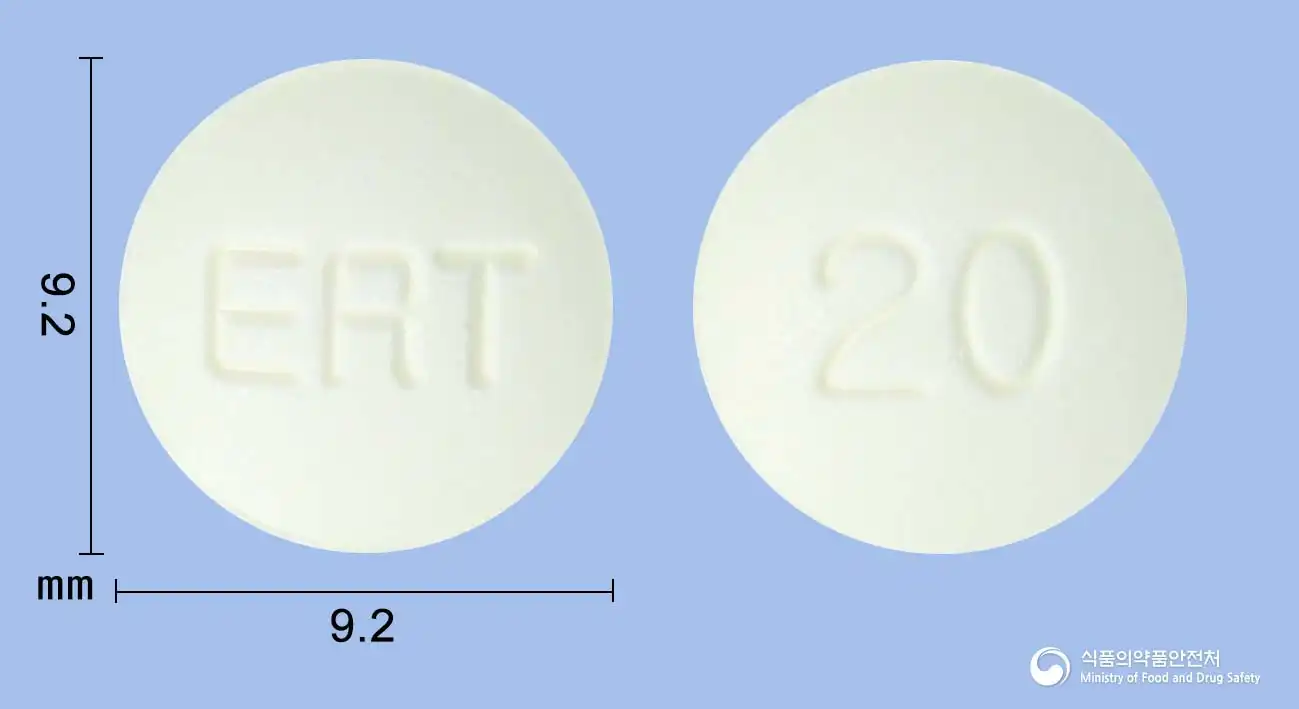
Isosorbide Mononitrate 22.23mg
Tablet · Prescription medication
Hyundai Pharmaceutical Co., Ltd.
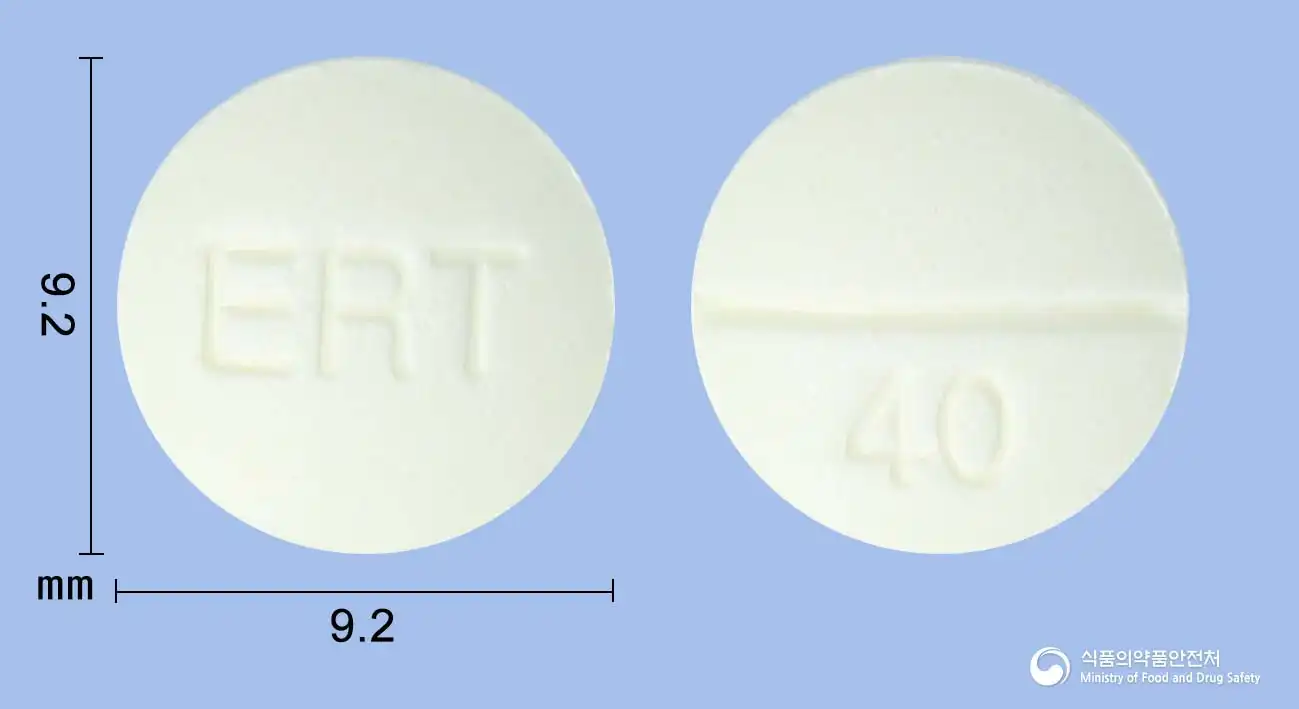
Isosorbide Mononitrate 44.46mg
Tablet · Prescription medication
Hyundai Pharmaceutical Co., Ltd.
Even with the same ingredient, the dose and directions can differ by strength and dosage form. Talk to a doctor or pharmacist before switching from a medication you are already taking.
No questions yet.
For anything that needs medical judgment, consult a doctor or pharmacist.
This drug information is based on data provided by the Korea Ministry of Food and Drug Safety.
Consult a doctor or pharmacist for accurate dosage, administration, and usage instructions.