
 한국어
 English
 日本語
 中文(简体)
Summary
- Main use
- Improvement of triglyceride levels in hypertriglyceridemia and mixed hyperlipidemia
- Who takes it
- Adults
- Adult dose
- Adults: Administer acipimox 250㎎ per dose orally 2-3 times daily after meals, and dietary therapy must be followed. Adjust the daily dose individually according to blood cholesterol and triglyceride levels. For type II, 250㎎ per dose 3 times daily is preferable; for type IV, 250㎎ per dose 2 times daily is preferable. The dose may be increased in particularly severe cases; the maximum daily dose for long-term treatment is 1200㎎. Reduce the dose in patients with renal impairment according to creatinine clearance. Creatinine clearance (㎖/min) 40 - 80 : 250㎎ per day 30 - 40 : 250㎎ every 2 days Adjust the dose as appropriate according to age and symptoms.
Ingredients
- Manufacturer
- Ildong Pharmaceutical Co., Ltd.
Efficacy & effects
Improvement of triglyceride levels in hypertriglyceridemia and mixed hyperlipidemia
- Hypertriglyceridemia
- hypercholesterolemia
- combined hyperlipidemia.
View approved original textHide original text
This medication is used as an alternative or in addition to treatments such as statins or fibrates for patients who do not respond sufficiently to those therapies to lower triglyceride levels. Specifically, it is used for hypertriglyceridemia (Type IV) and combined hyperlipidemia (Type IIb) with hypertriglyceridemia. It is important to first attempt non-drug treatments such as dietary modification, exercise, and weight loss prior to pharmacotherapy. Please note that the treatment of hyperlipidemia with this medication has not been shown to reduce the incidence or mortality of cardiovascular disease. This medication is effectively used for managing triglycerides.
How to take
Adult dose
Adults: Administer acipimox 250㎎ per dose orally 2-3 times daily after meals, and dietary therapy must be followed. Adjust the daily dose individually according to blood cholesterol and triglyceride levels. For type II, 250㎎ per dose 3 times daily is preferable; for type IV, 250㎎ per dose 2 times daily is preferable. The dose may be increased in particularly severe cases; the maximum daily dose for long-term treatment is 1200㎎. Reduce the dose in patients with renal impairment according to creatinine clearance. Creatinine clearance (㎖/min) 40 - 80 : 250㎎ per day 30 - 40 : 250㎎ every 2 days Adjust the dose as appropriate according to age and symptoms.
Precautions
This medication should not be administered to certain patients. For example, patients allergic to this medication or those with peptic ulcers should not take it. Additionally, women who are pregnant or may become pregnant, breastfeeding women, patients with acute myocardial infarction, and those with severe renal impairment should not use this medication. Patients with mild renal impairment, heart failure, or acute bleeding should be administered this medication with caution. These patients require special attention from a healthcare provider. While taking this medication, symptoms such as warmth, flushing, itching, and rash may appear on the skin, primarily occurring in the initial stages of treatment and often resolving over time. Occasionally, gastrointestinal discomfort may occur, manifested as heartburn, abdominal pain, nausea, or diarrhea; if symptoms are severe, consultation with a physician is necessary. Rarely, allergic reactions like hives, swelling of lips or eyelids, skin rash, asthma-like breathing difficulties, and hypotension may occur; if such symptoms arise, the medication should be immediately discontinued, and medical attention should be sought. It is advisable to check blood lipid levels through blood tests before administration and to first try lifestyle modifications such as diet and exercise. This medication has a structural similarity to nicotinic acid, which may increase the risk of muscle-related side effects when taken with certain lipid-lowering agents; therefore, caution is advised when used in combination. It is safer for women who are pregnant or breastfeeding to avoid this medication, especially during early pregnancy, as it may affect the fetus. Finally, regular monitoring of liver and kidney function and blood lipid levels is crucial if this medication is taken for an extended period.
Side effects
- fever
- flushing
- itching
- rash
- erythema
- chest tightness
- upper abdominal pain
- nausea
- diarrhea
- headache
Show 25 moreCollapse
- fatigue
- urticaria
- eyelid edema
- lip swelling
- skin rash
- asthma-like dyspnea
- hypotension
- anaphylactic reaction
- vasodilation
- bronchospasm
- dyspepsia
- upper abdominal pain
- nausea
- diarrhea
- urticaria
- angioedema
- itching
- skin rash
- erythema
- myositis
- myalgia
- arthralgia
- weakness
- fever
- discomfort
Not everyone experiences these, and they can vary from person to person.
Storage
This medication should be stored in a tightly sealed container to prevent exposure to air. This helps maintain the efficacy of the medication and prevents degradation.
Appearance and packaging
Appearance
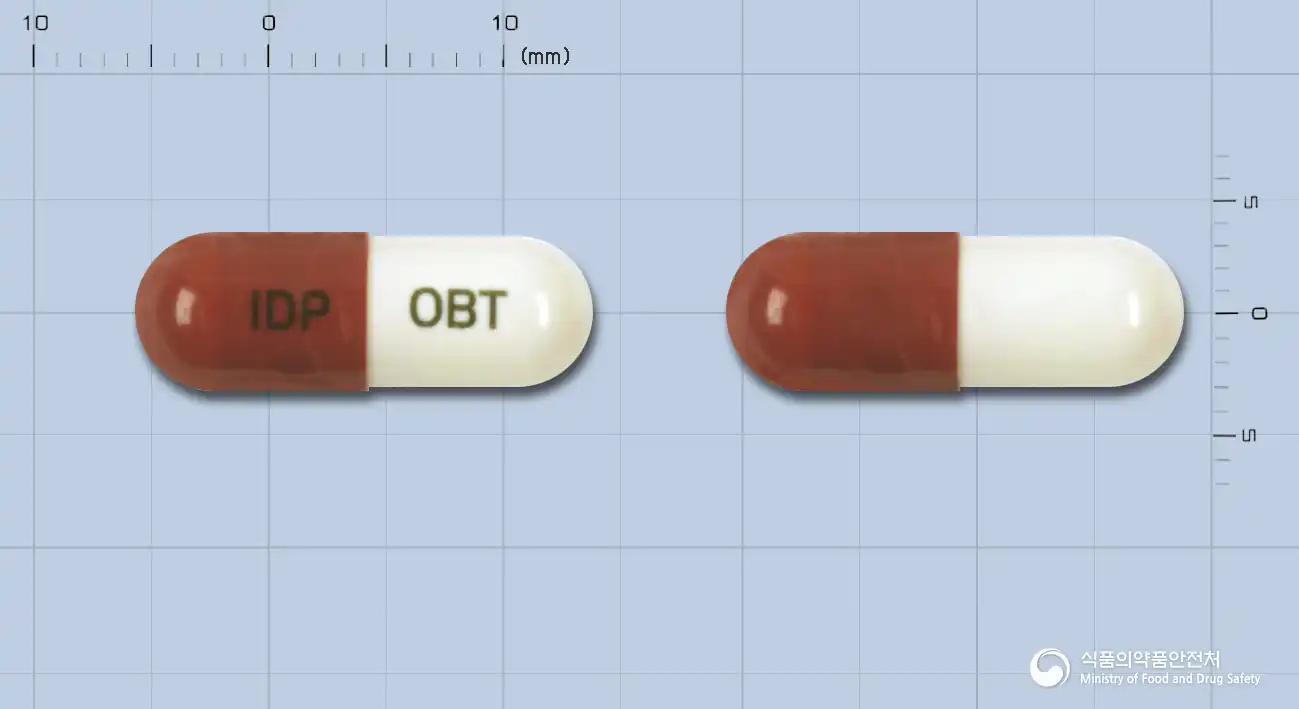
A hard capsule with a reddish-brown upper part and a white lower part containing a white to off-white powder.
Package unit
30 capsules/bottle, 100 capsules/bottle
Questions about this medicine
No questions yet.
For anything that needs medical judgment, consult a doctor or pharmacist.