
 한국어
 English
 日本語
 中文(简体)
Dosage form image
Viewing nowHerben 50mg (Diltiazem Hydrochloride)
Diltiazem Hydrochloride 50mg
Injections · Prescription medication
HK inno.N Co., Ltd.
MFDS item code 199002752 · Notified 1990.03.14 · Insurance code 640003951
Treatment of hypertension during emergencies or surgery, supraventricular tachyarrhythmias, and unstable angina
This medication is used for treating tachyarrhythmia that helps to control rapid heart rate, abnormal hypertension that may occur during surgery, emergency hypertension, and unstable angina caused by temporary insufficient blood supply to the heart.
Dissolve this medicine in 5㎖ or more of normal saline injection or dextrose injection and administer as follows. 1. Tachyarrhythmia (supraventricular) Adults: Administer 10㎎ of diltiazem hydrochloride slowly intravenously over approximately 3 minutes as a single dose. 2. Emergency treatment of abnormal hypertension during surgery ① Intravenous bolus injection Adults: Administer 10㎎ slowly intravenously over approximately 1 minute as a single dose. ② Intravenous infusion Adults: Infuse 5-15㎍/kg over 1 minute. After reducing blood pressure to the target level, adjust the infusion rate while monitoring blood pressure. 3. Hypertensive emergency (hypertensive crisis) Adults: Infuse 5-15㎍/kg over 1 minute. After reducing blood pressure to the target level, adjust the infusion rate while monitoring blood pressure. 4. Unstable angina Usually, infuse 1-5㎍/kg of diltiazem hydrochloride per minute in adults. Start at a low dose and adjust appropriately according to the patient's condition; however, the maximum dose is 5㎍/kg per minute.
This medication should not be used in patients experiencing severe hypotension or cardiogenic shock. It should also be avoided in patients with sick sinus syndrome or heart block, as well as in patients with severe heart failure or cardiomyopathy. Individuals with a history of allergic reactions to this medication should not take it. Women who are pregnant or may become pregnant should not use this medication. Patients with ventricular tachycardia or certain conduction disorders should also refrain from using this medication. Additionally, caution is required as concomitant use with certain heart medications may exacerbate side effects. Patients with hypotension, bradycardia, or atrioventricular block should use this medication carefully, and those with heart failure or myocardial infarction should also be cautious. Patients with significantly impaired liver or kidney function may experience delayed drug metabolism and excretion, potentially leading to increased drug effects, thus careful monitoring is indicated. This medication may cause a slowdown in heart rate or disturbances in heart conduction; if such abnormalities occur, immediate discontinuation and appropriate treatment should be sought. Side effects may include headaches, nausea, elevated liver enzymes, allergic symptoms, decreased kidney function, bronchospasms, etc. The ECG and blood pressure should be continuously monitored during administration, and if any abnormal signs are detected, the dosage should be adjusted or the medication discontinued. Patients with heart disease or bronchial hyperreactivity should use this medication with special care; if respiratory distress occurs, immediate consultation with medical personnel is necessary. This medication can interact with various other drugs, so anyone taking other medications should inform their healthcare provider. Pregnant or breastfeeding women should ideally avoid using this medication and, if necessary, should do so under the guidance of an expert. Safety and effectiveness in children have not been established, hence caution is advised when administering it to pediatric patients. Elderly patients have decreased physical function, so it is recommended to start at a low dose while closely monitoring their condition. In cases of overdose, heart rates may slow down significantly or heart function may deteriorate, necessitating immediate treatment. Finally, this medication should be handled with caution as it may precipitate under certain conditions when mixed with other drugs.
Not everyone experiences these, and they can vary from person to person.
This medication should be stored in a sealed container and ideally kept at room temperature between 1 to 30 degrees Celsius. This storage method is to maintain the drug's efficacy and prevent decomposition.
This medication is a white lump or porous solid contained in a colorless and transparent glass vial.
1 vial (50mg) x 10/carton
Even with the same ingredient, strength, dosage form and how it is taken can differ.
Diltiazem Hydrochloride 50mg
Injections · Prescription medication
HK inno.N Co., Ltd.

Diltiazem Hydrochloride 30mg
Tablet · Prescription medication
HK Inno.N Co., Ltd.
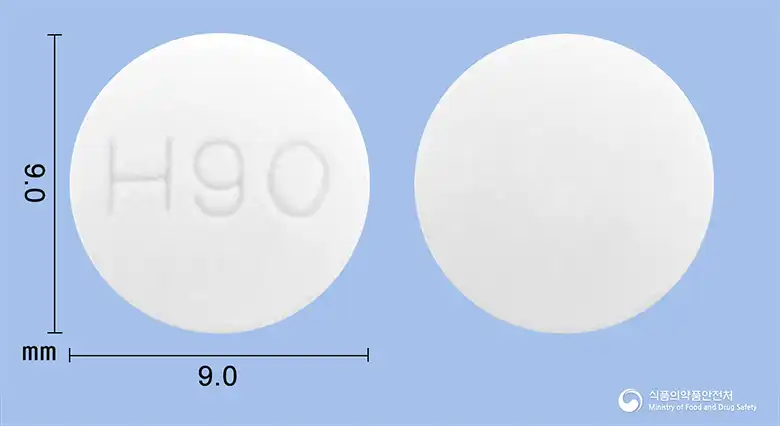
Diltiazem Hydrochloride 90mg
Tablet · Prescription medication
HK inno.N Co., Ltd.
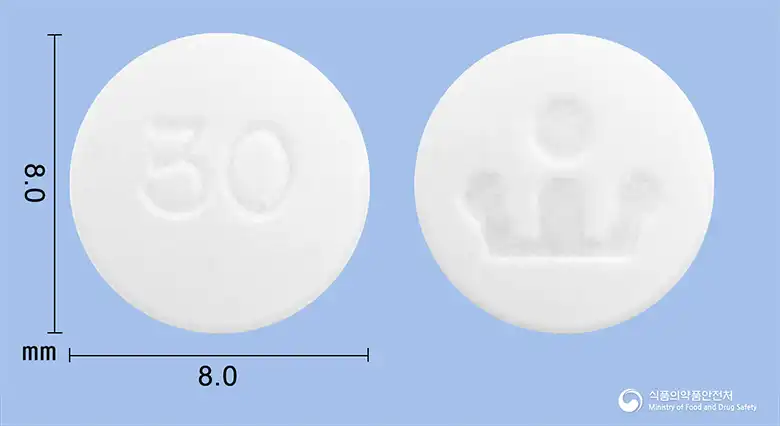
Diltiazem Hydrochloride 30mg
Tablet · Prescription medication
Hanwha Pharmaceutical Co., Ltd.
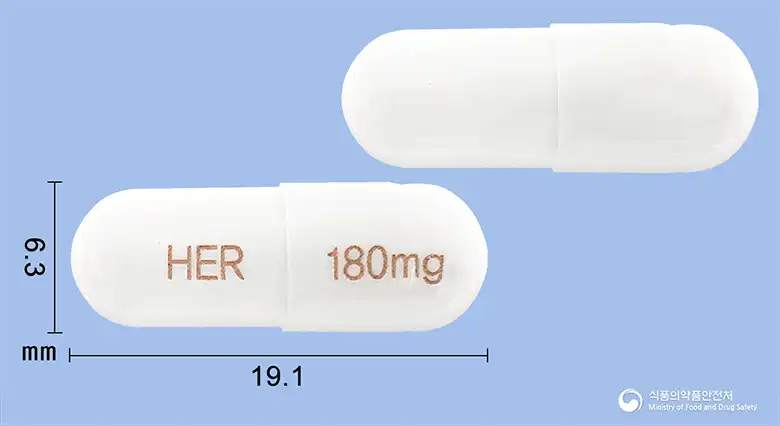
Diltiazem Hydrochloride 180mg
Hard capsule · Prescription medication
HK inno.N Co., Ltd.
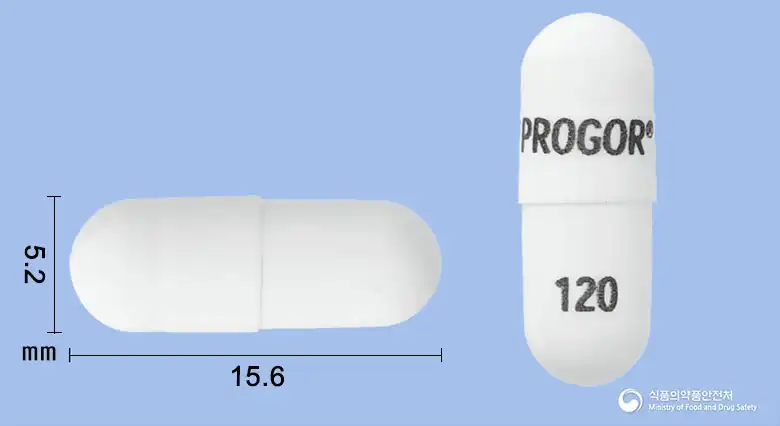
Diltiazem Hydrochloride 120mg
Hard capsule · Prescription medication
Korea Unipharm Co., Ltd.
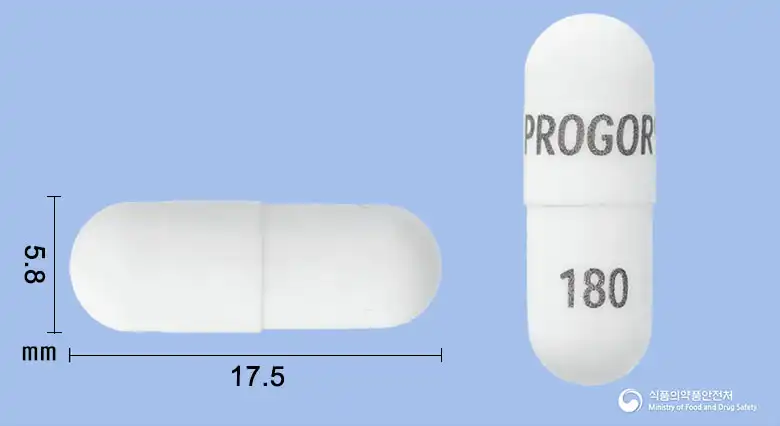
Diltiazem Hydrochloride 180mg
Hard capsule · Prescription medication
Korea Unipharma Co., Ltd.
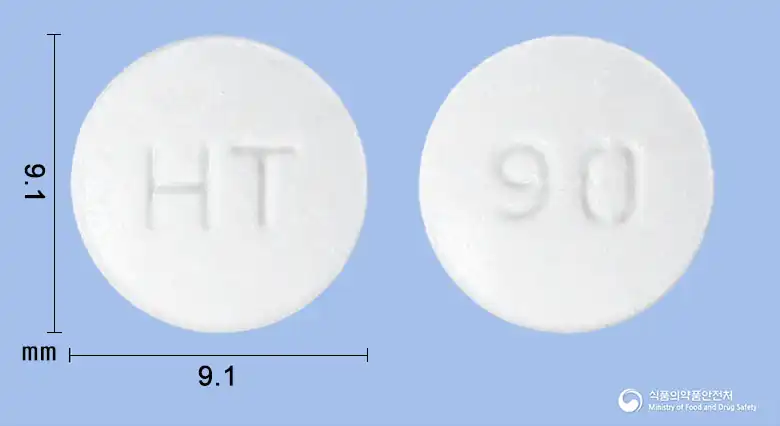
Diltiazem Hydrochloride 90mg
Tablet · Prescription medication
Korea HuTex Pharmaceutical Co., Ltd.
Even with the same ingredient, the dose and directions can differ by strength and dosage form. Talk to a doctor or pharmacist before switching from a medication you are already taking.
No questions yet.
For anything that needs medical judgment, consult a doctor or pharmacist.
This drug information is based on data provided by the Korea Ministry of Food and Drug Safety.
Consult a doctor or pharmacist for accurate dosage, administration, and usage instructions.