
 한국어
 English
 日本語
 中文(简体)
Summary
- Main use
- Treatment of coronary artery disease (e.g., angina), adjunctive treatment of congestive heart failure
- Who takes it
- Adults
- Adult dose
- Adults: Administer 50 milligrams of isosorbide mononitrate orally once daily in the morning; for angina, the dose may be increased to 100mg as directed by a physician. If circulatory failure occurs after the first dose in patients with circulatory failure, or if headache occurs due to administration of nitrate preparations, start treatment by dividing this 20mg tablet into two halves and administering one in the morning and one in the evening. The dose may be adjusted according to age and symptoms.
Ingredients
- Manufacturer
- Hyundai Pharmaceutical Co., Ltd.
Efficacy & effects
Treatment of coronary artery disease (e.g., angina), adjunctive treatment of congestive heart failure
- Coronary artery disease
- angina
- myocardial infarction
- congestive heart failure
View approved original textHide original text
This medication is used for coronary artery disease, such as angina or myocardial infarction. It also enhances the effect when used in conjunction with cardiac glycosides or diuretics as an adjunctive therapy for congestive heart failure. This treatment helps to improve heart function and alleviate symptoms.
How to take
Adult dose
Adults: Administer 50 milligrams of isosorbide mononitrate orally once daily in the morning; for angina, the dose may be increased to 100mg as directed by a physician. If circulatory failure occurs after the first dose in patients with circulatory failure, or if headache occurs due to administration of nitrate preparations, start treatment by dividing this 20mg tablet into two halves and administering one in the morning and one in the evening. The dose may be adjusted according to age and symptoms.
Precautions
This medication should not be used in patients with acute circulatory failure or severe hypotension. It is also contraindicated in patients with acute myocardial infarction or those who are hypersensitive to nitrate preparations. Patients with severe anemia, head trauma, or cerebral hemorrhage should not be given this medication, and caution is required for patients with a significantly reduced blood volume or severe cerebrovascular insufficiency. During the use of this medication, patients with specific heart conditions or acute angina attacks should be avoided, and this medication should not be used concurrently with phosphodiesterase type 5 inhibitors. Patients with various conditions such as closed-angle glaucoma, hypothyroidism, hypothermia, malnutrition, severe liver and kidney diseases, orthostatic dysregulation, severe cerebral arteriosclerosis, hypotension, cerebrovascular diseases, increased intracranial pressure, or arterial stenosis should use this medication cautiously. The vasodilatory effect of this medication may cause side effects like headache, dizziness, lowered blood pressure, and increased heart rate. Headaches that occur during the initial treatment phase usually resolve within a week; however, skin rashes, itching, gastrointestinal symptoms, or liver dysfunction may also occur, so if any abnormal symptoms arise, consult a doctor. This medication is not suitable for alleviating angina attacks, and if symptoms worsen or if there is no effect, it is necessary to switch to other treatment methods. Sudden discontinuation of this medication may worsen symptoms, so it should be taken under the guidance of a physician. This medication may exacerbate arrhythmias or hypotension when taken with other specific medications, so patients should ensure to inform their physician if they are taking other medications. Women who are pregnant or could become pregnant should carefully consider the risks and benefits before using this medication, and breastfeeding should be avoided during treatment. Safety in pediatric patients has not been established, so caution should be exercised when administering to children. In cases of overdose, symptoms such as headache, agitation, flushing, nausea, vomiting, fatigue, syncope, tachycardia, and hypotension may occur, and immediate medical attention is required. This medication should be kept out of the reach of children and stored in its original container to maintain quality. Dizziness may occur during use, so special care should be taken while driving or operating machinery.
Side effects
- headache
- dizziness
- hypotension
- increased heart rate
- low blood pressure
- tachycardia
- syncope
- flushing
- erythema
- redness
Show 11 moreCollapse
- pruritus
- nausea
- vomiting
- diarrhea
- liver dysfunction
- jaundice
- myalgia
- excitement
- sweating
- fatigue
- methemoglobinemia
Not everyone experiences these, and they can vary from person to person.
Storage
This medication may be sensitive to air or moisture, so it must be stored in a tightly sealed container. The appropriate storage temperature is room temperature between 1 and 30 degrees, avoiding excessively hot or cold areas.
Appearance and packaging
Appearance
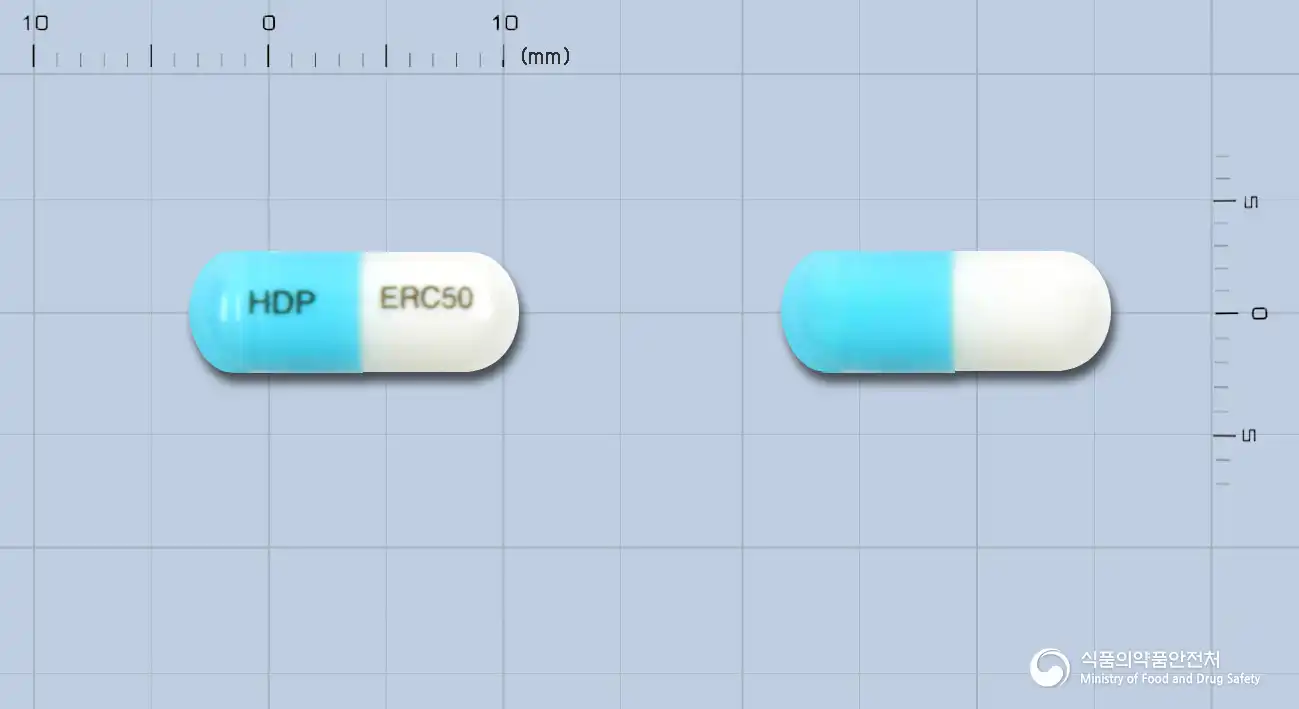
A sky-blue hard capsule with a white small granule inside the upper part and a white bottom part
Package unit
30 capsules/bottle, 100 capsules/bottle
Questions about this medicine
No questions yet.
For anything that needs medical judgment, consult a doctor or pharmacist.