
 한국어
 English
 日本語
 中文(简体)
Summary
- Main use
- Relief of cardiac, hepatic, and renal edema
- Who takes it
- Adults
- Adult dose
- Adults: Administer 60㎎ of azosemide orally once daily. Adjust the dose appropriately according to age and symptoms.
Ingredients
- Manufacturer
- Samjin Pharmaceutical Co., Ltd.
Efficacy & effects
Relief of cardiac, hepatic, and renal edema
- Cardiac edema
- congestive heart failure
- renal edema
- hepatic edema
View approved original textHide original text
This medication is used for various edema conditions such as cardiac edema caused by decreased heart function, renal edema due to kidney issues, and hepatic edema resulting from liver dysfunction.
How to take
Adult dose
Adults: Administer 60㎎ of azosemide orally once daily. Adjust the dose appropriately according to age and symptoms.
Precautions
This medication should not be used in patients with severe liver dysfunction or hepatic coma. It should also be avoided in patients with low serum sodium or potassium levels, those with anuria, and patients with significantly reduced blood volume leading to low blood pressure. Patients who are allergic to sulfonamide components contained in this medication should avoid taking it. Additionally, individuals with genetic conditions such as galactose intolerance, lactose deficiency, or glucose-galactose malabsorption, who cannot tolerate lactose, should not use this medication. Patients with progressive liver cirrhosis or severe atherosclerosis of the coronary or cerebral arteries should use this medication with caution, as should those with severely impaired liver or kidney function. Caution is also necessary in individuals with a family history of gout or diabetes, infants, patients experiencing diarrhea or vomiting, and those undergoing specific hormone treatments. This medication can cause electrolyte imbalances, so potassium, sodium, and chloride levels should be regularly monitored. If abnormalities are detected, the dosage may need to be adjusted or temporarily halted. Rarely, allergic reactions such as skin rashes or anaphylaxis, dizziness, headaches, hypotension, gastrointestinal symptoms, nephritis, blood abnormalities, elevated liver enzymes, as well as visual and auditory disturbances can occur, requiring immediate medical attention. Due to the rapid diuretic effect, dosing should start at a low level and be gradually increased while carefully monitoring for dehydration and electrolyte imbalances. Given that this medication has a high potential for interactions with other drugs, consultation with a doctor or pharmacist is necessary when taken alongside blood pressure medications, certain antibiotics, heart medications, diabetes drugs, steroids, and analgesics. Women who are pregnant or may become pregnant should make an informed decision about the use of this medication due to potential effects on the fetus, and breastfeeding mothers should consider discontinuing nursing during treatment. Safety in children and infants has not been established, and use is not recommended. In older adults, rapid diuresis may lead to dehydration, hypotension, dizziness, or syncope, so starting with a lower dosage and close monitoring is essential. Excessive blood pressure reduction in older patients may lead to serious complications such as cerebral infarction, necessitating caution.
Side effects
- Hypokalemia
- hyponatremia
- hypochloremic alkalosis
- hyperuricemia
- elevated BUN
- increased serum creatinine
- hyperglycemia
- gout
- elevated cholesterol
- increased triglycerides
Show 31 moreCollapse
- rash
- anaphylactic shock
- dizziness
- tinnitus
- headache
- hypotension
- thrombosis
- circulatory collapse
- anorexia
- nausea
- vomiting
- gastrointestinal discomfort
- diarrhea
- thirst
- pancreatitis
- exacerbation of urinary disorders
- persistent
- acute interstitial nephritis
- anemia
- leukopenia
- thrombocytopenia
- agranulocytosis
- elevated ALT
- elevated AST
- elevated ALP
- visual impairment
- hearing impairment
- vasculitis
- weakness
- fatigue
- arthralgia
Not everyone experiences these, and they can vary from person to person.
Storage
This medication may be sensitive to light; therefore, it should be stored in a container that blocks light. This will ensure that the efficacy of the medication remains unchanged and safe to use.
Appearance and packaging
Appearance
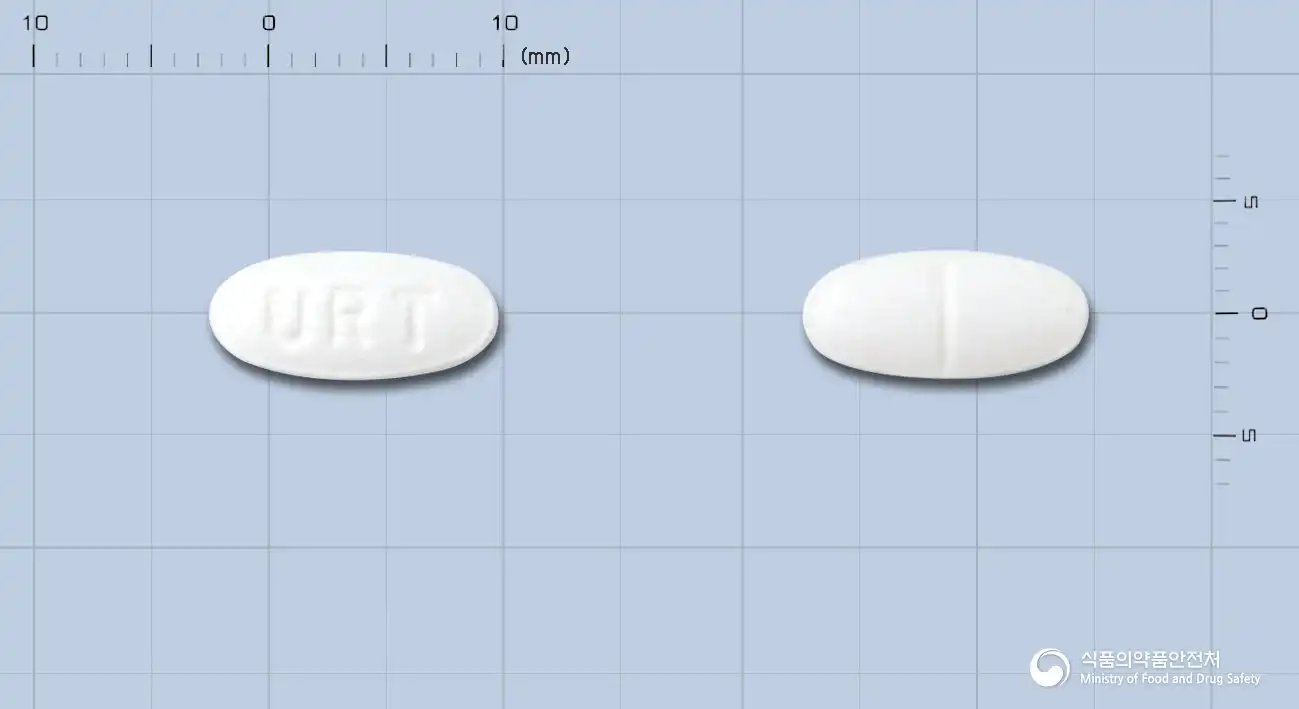
White oval film-coated tablet
Package unit
300 tablets/bottle, 30 tablets/bottle
Questions about this medicine
No questions yet.
For anything that needs medical judgment, consult a doctor or pharmacist.