
 한국어
 English
 日本語
 中文(简体)
 Viewing now
Boryung Astrix Capsule 100 Milligrams (Aspirin)
Aspirin Enteric Granules 120.98mg
Hard capsule · OTC medication
Boryung Co., Ltd.
MFDS item code 199001012 · Notified 1990.08.29
Prevention of thrombosis in cardiovascular and cerebrovascular disease, thrombosis after surgery or procedures, and cardiovascular risk in high-risk patients
This medication helps to inhibit thrombus formation in major cardiovascular diseases such as myocardial infarction, cerebral infarction, and unstable angina. It also prevents thrombus formation after coronary artery bypass surgery or percutaneous coronary intervention, enhancing therapeutic efficacy. It plays a role in reducing cardiovascular risk in high-risk patients with various risk factors such as hypertension, diabetes, and hyperlipidemia. This medication exerts significant effects in the prevention and treatment of cardiovascular diseases, aiding in health management.
(Enteric-coated tablets) Adults: 1 tablet once daily. Do not take a high dose without a physician's prescription. Preparations containing aspirin are generally not taken on an empty stomach because of the adverse reaction of gastrointestinal bleeding; however, since this preparation is enteric-coated, it may be taken before meals with plenty of water. Because of the risk of bleeding, inform and consult the attending physician that you are taking an aspirin preparation if you are undergoing surgery (including dental surgery). (Enteric-coated capsules) Adults: 1 capsule once daily. Do not take a high dose without a physician's prescription. Preparations containing aspirin are generally not taken on an empty stomach because of the adverse reaction of gastrointestinal bleeding; however, since this preparation is enteric-coated, it may be taken before meals with plenty of water. Because of the risk of bleeding, inform and consult the attending physician that you are taking an aspirin preparation if you are undergoing surgery (including dental surgery).
People who regularly consume more than three glasses of alcohol daily must consult a physician or pharmacist before taking this medication, as it may increase the risk of gastrointestinal bleeding. Individuals who have had an allergic reaction to this medication or other salicylates, patients with peptic ulcer, those with aspirin-induced asthma, hemophilia patients, patients with severe hepatic or renal impairment, severe heart failure patients, individuals with bleeding tendencies, those taking high doses of methotrexate, and women in the third trimester of pregnancy should not take this medication. Patients with renal or liver impairment, those with cardiovascular diseases, bronchial asthma patients, pre-operative patients, children under the age of three, individuals with a history of allergies, elderly patients, those on anticoagulants, and patients with glucose-6-phosphate dehydrogenase deficiency should use this medication with caution. This medication contains a dye called Yellow No. 5, and individuals allergic to this component should consult healthcare professionals before use. If unusual symptoms such as difficulty breathing, skin rashes, hives, severe allergic reactions, gastrointestinal bleeding, liver impairment, renal function decline, dizziness, headache occur during use, discontinue taking the drug immediately and seek medical attention. Especially for patients under 14 years old with chickenpox or influenza, serious side effects known as Reye's syndrome may occur, so caution is advised. This medication is used as symptomatic treatment for pain and fever, and regular blood tests and liver function tests should be conducted for long-term use. Infection symptoms may be masked during use, so it's important to manage any infection concurrently and monitor the patient closely. Taking this medication within one week prior to surgery may increase the risk of bleeding, so inform healthcare professionals if you have surgery planned. This medication may interact with other medications, so particularly when taking it with anticoagulants, antidiabetic agents, lithium, and certain anti-inflammatory and analgesic medications, it should be discussed with a doctor. In early and mid-pregnancy, it should only be taken at minimal doses when absolutely necessary, and in late pregnancy, it should not be taken as it may pose risks to the fetus and mother. Breastfeeding women should ideally avoid taking this medication. Elderly patients may experience adverse reactions more readily, so they should start with a small dose and observe the condition closely.
shock, anaphylactic symptoms, dyspnea, generalized flushing, angioedema, urticaria, asthma attack, erythema, pruritus, nasal congestion, cardiac-respiratory disorders, rash, edema, symptoms of rhinitis, conjunctivitis, Reye's syndrome, drug reaction with eosinophilia and systemic symptoms, DRESS syndrome, Stevens-Johnson syndrome, exfoliative dermatitis, aplastic anemia, anemia, leukopenia, thrombocytopenia, impaired platelet function, hemolysis, hemolytic anemia, loss of appetite, heartburn, abdominal pain, nausea, vomiting, gastrointestinal bleeding, peptic ulcer, gastric perforation, tinnitus, hearing loss, dizziness, headache, agitation, liver dysfunction, transient liver injury due to elevated liver transaminases, renal dysfunction, acute renal failure, hyperventilation, metabolic acidosis, bleeding, hematoma, nosebleed, urogenital bleeding, gum bleeding, cerebral hemorrhage, hallucinations, seizures, coma, respiratory paralysis, circulatory disorders
Not everyone experiences these, and they can vary from person to person.
Do not use this medication with other non-steroidal anti-inflammatory drugs or salicylates, or high-dose methotrexate. Also discuss with a physician when taking with anticoagulants, thrombolytics/other platelet aggregation inhibitors, hemostatics, antidiabetic agents (insulin, tolbutamide, etc.), uricosuric agents (benzbromarone, probenecid), lithium, selective serotonin reuptake inhibitors, digoxin, systemic corticosteroids (Addison's disease replacement therapy).
This medication may affect the gastrointestinal mucosa when taken with alcohol.
This medication should be stored in a tightly sealed container to prevent exposure to air or moisture. It is recommended to maintain the storage temperature between 1 degree and 30 degrees Celsius at room temperature.
This medication comes in a transparent hard capsule with orange and yellowish-orange colors containing white enteric-coated spherical particles.
Bottle - 500 capsules/bottle, Bottle - 30 capsules/bottle
Even with the same ingredient, strength, dosage form and how it is taken can differ.
Viewing nowAspirin Enteric Granules 120.98mg
Hard capsule · OTC medication
Boryung Co., Ltd.
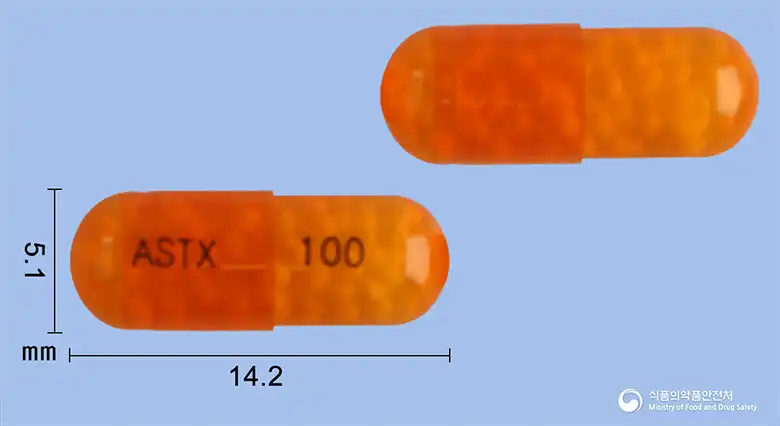
Aspirin Enteric Granules 120.98mg
Hard capsule · OTC medication
Boryeong Biopharma Co., Ltd.
Even with the same ingredient, the dose and directions can differ by strength and dosage form. Talk to a doctor or pharmacist before switching from a medication you are already taking.
No questions yet.
For anything that needs medical judgment, consult a doctor or pharmacist.
This drug information is based on data provided by the Korea Ministry of Food and Drug Safety.
Consult a doctor or pharmacist for accurate dosage, administration, and usage instructions.