
 한국어
 English
 日本語
 中文(简体)
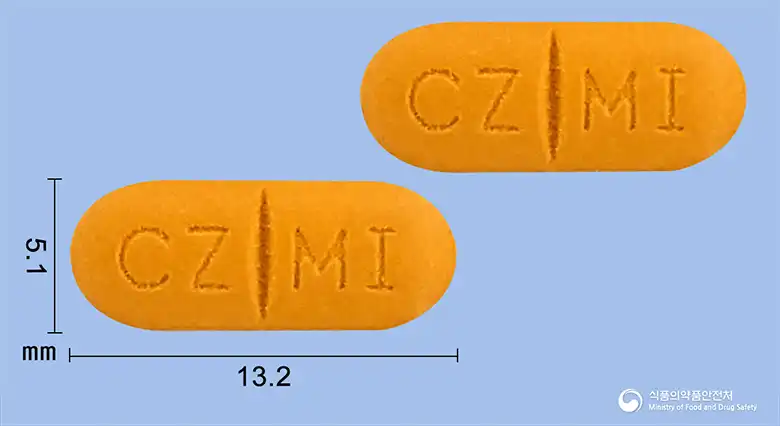 Viewing now
Carbamazepine CR Tablet 200mg (Carbamazepine)
Carbamazepine 200mg
Tablet · Prescription medication
Myungin Pharmaceutical Co., Ltd.
MFDS item code 199000983 · Approved 1990.02.10 · Insurance code 651901840
Treatment of epilepsy, trigeminal neuralgia, and mental disorders (including mania and manic states)
This medication is used to treat various forms of epilepsy including psychomotor seizures, epileptic personality and related mental disorders, as well as convulsive seizures such as tonic-clonic seizures. It also helps alleviate severe facial pain caused by trigeminal neuralgia. Additionally, it is effective in calming manic states in bipolar disorder and agitation in schizophrenia. Therefore, this drug is widely used to improve symptoms related to neurological and psychiatric disorders.
1. Epilepsy Start treatment at a low dose and increase it slowly until the optimal effect is achieved. The dose of this medicine should be adjusted to adequately control seizures in each individual patient. Determination of the blood concentration may help in reaching the optimal dose. The therapeutic blood concentration of carbamazepine for epilepsy is known to be 4-12 μg/mL (17-50 micromoles/L). Adults: Administer an initial dose of 200-400㎎ of carbamazepine daily in 1-2 divided oral doses, and increase slowly until the optimal effect is achieved (600㎎ daily). Depending on symptoms, the dose may be increased to 1200㎎ daily. 2. Trigeminal neuralgia Adults: The initial dose of this medicine is 200-400㎎ daily; it may be administered in divided doses up to 600 mg daily. Depending on symptoms, the dose may be increased to 800mg daily. 3. Mania, manic states in bipolar disorder, and agitation in schizophrenia Adults: Administer an initial dose of 200-400㎎ of this medicine daily in 1-2 divided doses, and increase slowly until the optimal effect is achieved (600㎎ daily). Depending on symptoms, the dose may be increased to 1200㎎ daily. Adjust the dose as appropriate according to age and symptoms.
Children: Administer 100-600㎎ daily in divided doses according to age and symptoms.
This drug is used to treat neurological disorders such as epilepsy. There is a risk of developing mental health problems such as suicidal impulses, suicidal behavior, and depression during the course of this medication, so patients taking this should be carefully monitored for these symptoms. Severe allergic reactions such as Stevens-Johnson syndrome and toxic epidermal necrolysis may occur, so if you notice rashes or red spots on the skin, you should inform your healthcare provider immediately. It is particularly recommended that Asian patients undergo specific genetic testing (HLA-B*1502) to assess the risk of these skin reactions. Taking this drug during pregnancy may cause birth defects or growth impairments in the fetus, so women who are pregnant or planning to become pregnant must consult with a doctor and use effective contraceptive methods during the course of treatment. This drug should not be administered or used with caution in patients with specific blood disorders, heart disease, liver or kidney problems, or known drug allergies. Common side effects of this medication include dizziness, drowsiness, headache, nausea, and vomiting, so caution is advised while driving or operating dangerous machinery. Regular blood tests and liver and kidney function tests should be performed during treatment to check for adverse reactions, and if abnormal symptoms appear, immediate consultation with a doctor is required. Furthermore, this medication has many drug interactions, so dosage adjustments may be needed depending on concomitant medications, so patients should inform healthcare providers of any other drugs they are taking. In case of overdose, severe symptoms such as central nervous system depression, respiratory distress, and heart problems may occur, requiring immediate emergency treatment. This drug should be stored out of reach of children and kept in its original container. It is advisable to avoid alcohol consumption during treatment, and those who are pregnant or breastfeeding should consult a doctor before taking this medication.
Not everyone experiences these, and they can vary from person to person.
This drug may be sensitive to air or moisture, so it should be stored in a tightly closed container. Moreover, it is recommended to store it in a place that is low in humidity and dry.
Orange, oblong, extended-release film-coated tablet
30 tablets/bottle, 200 tablets/bottle
Even with the same ingredient, strength, dosage form and how it is taken can differ.
Viewing nowCarbamazepine 200mg
Tablet · Prescription medication
Myungin Pharmaceutical Co., Ltd.
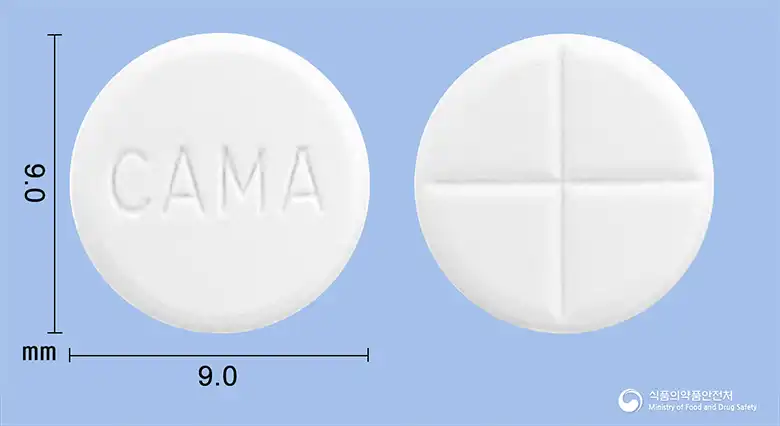
Carbamazepine 200mg
Tablet · Prescription medication
Myeongin Pharmaceutical Co., Ltd.
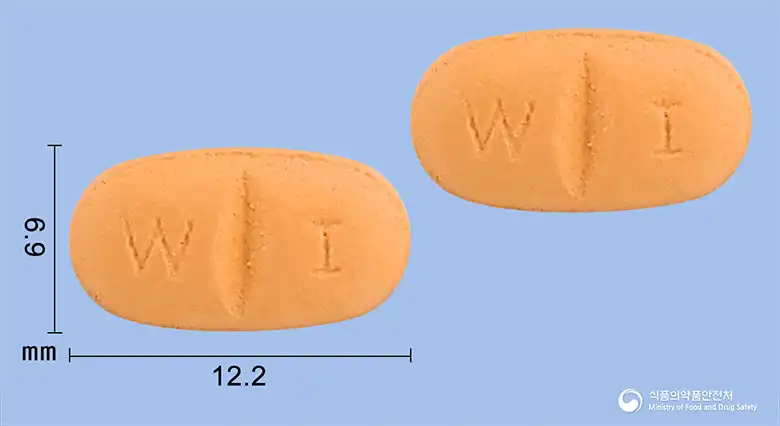
Carbamazepine 200mg
Tablet · Prescription medication
Hanin Pharmaceutical Co., Ltd.
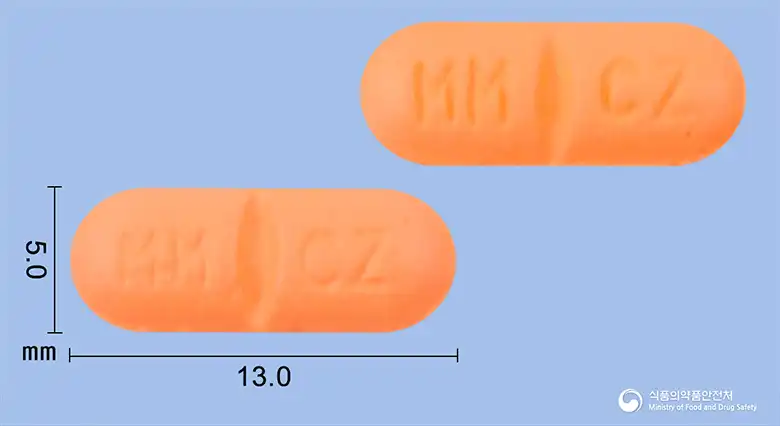
Carbamazepine 200mg
Tablet · Prescription medication
Myungmoon Pharmaceutical Co., Ltd.
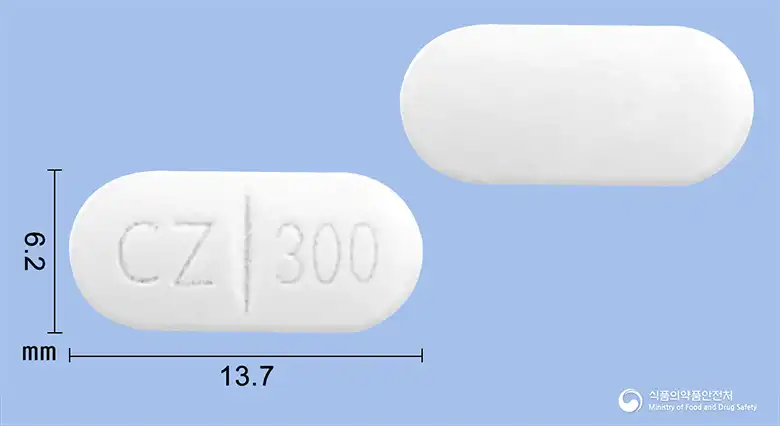
Carbamazepine 300mg
Tablet · Prescription medication
Myeongin Pharmaceutical Co., Ltd.
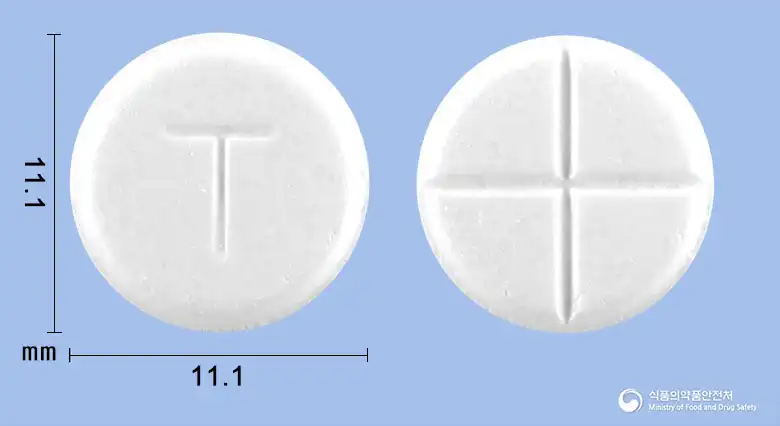
Carbamazepine 300mg
Tablet · Prescription medication
Bukhwang Pharm Co., Ltd.
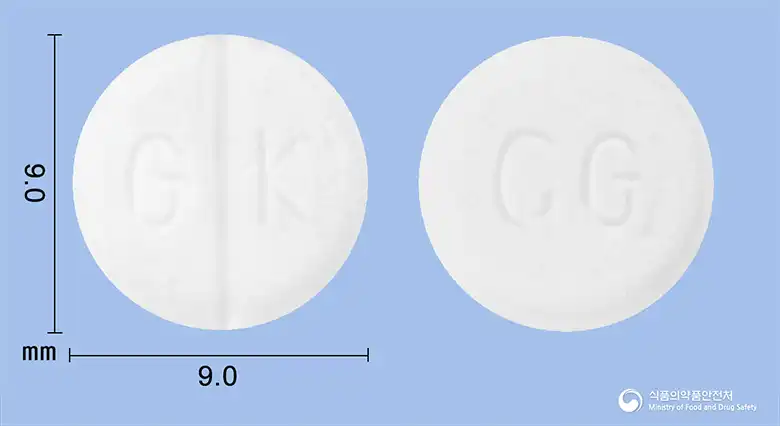
Carbamazepine 200mg
Tablet · Prescription medication
Novartis Korea Ltd.
Carbamazepine 2g
Syrup · Prescription medication
Korea Novartis Co., Ltd.
Even with the same ingredient, the dose and directions can differ by strength and dosage form. Talk to a doctor or pharmacist before switching from a medication you are already taking.
No questions yet.
For anything that needs medical judgment, consult a doctor or pharmacist.
This drug information is based on data provided by the Korea Ministry of Food and Drug Safety.
Consult a doctor or pharmacist for accurate dosage, administration, and usage instructions.