
 한국어
 English
 日本語
 中文(简体)
 Viewing now
Tyrofa Tablets (Tyropramide Hydrochloride)
Tiropramide Hydrochloride 100mg
Tablet · Prescription medication
Daewoong Pharmaceutical Co., Ltd.
MFDS item code 199000530 · Approved 1990.01.08 · Insurance code 641602470
Relieves abdominal cramps and pain, and acute cramping pain (such as abdominal colic)
This medication is used to relieve acute spasmodic pain in the liver and biliary tract, abdominal pain caused by various reasons, and renal or ureteral colic. It is also effective for gastrointestinal dysmotility, cholelithiasis, cholecystitis, and abdominal spasms and pain due to postoperative adhesions. This medicine can help improve discomfort and spasmodic pain in the abdomen.
Adults: Administer 100㎎ of tiropramide hydrochloride orally per dose, 2-3 times daily. Adjust the dose appropriately according to age and symptoms.
This medication should not be used in patients with narrowed gastrointestinal tracts. A narrowed gastrointestinal tract may impair the drug's efficacy or worsen symptoms. Additionally, it should not be administered to patients with abnormally enlarged or diminished bowel function, as these conditions can increase the risk of side effects. Patients with allergic reactions to this medication should also refrain from using it, as allergic reactions can lead to severe side effects. Patients with severely impaired liver function should not take this medication for safety reasons, as the liver may not process the drug properly, potentially causing harm. Although this drug does not have anticholinergic effects, caution should be exercised in patients with glaucoma or benign prostatic hyperplasia, as the medication may exacerbate symptoms. When taking this medication, symptoms such as dry mouth, nausea, vomiting, and constipation may occur. If these symptoms arise, consult a physician. In addition, if allergic symptoms such as skin itching or rashes occur, stop taking the medication immediately and inform healthcare personnel. Care should be taken when this medication is taken in high doses with blood pressure-lowering agents, as there is a risk of too low blood pressure. Pregnant women should only use this medication under a doctor's supervision if absolutely necessary, even though animal studies have not revealed significant abnormalities. Finally, this medication should be stored out of reach of children, and transferring it to another container should be avoided as it may lead to accidents or degradation of the drug's quality.
Not everyone experiences these, and they can vary from person to person.
This medication must be stored in a tightly sealed container to prevent exposure to air or moisture. It is best to maintain storage temperatures between 1 and 30 degrees Celsius at room temperature, which helps keep the drug effective and safe for an extended period.
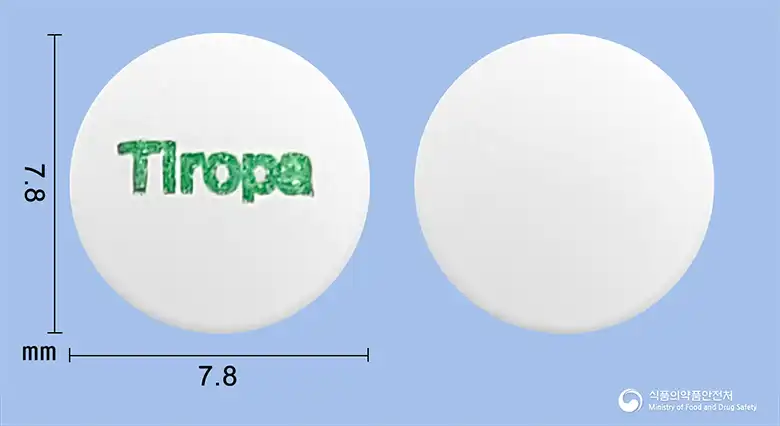
This medication is a white, round film-coated tablet.
30 tablets/bottle, 500 tablets/bottle
Even with the same ingredient, strength, dosage form and how it is taken can differ.
Viewing nowTiropramide Hydrochloride 100mg
Tablet · Prescription medication
Daewoong Pharmaceutical Co., Ltd.
Tiropramide Hydrochloride 50mg
Injections · Prescription medication
Daewoong Pharmaceutical Co., Ltd.
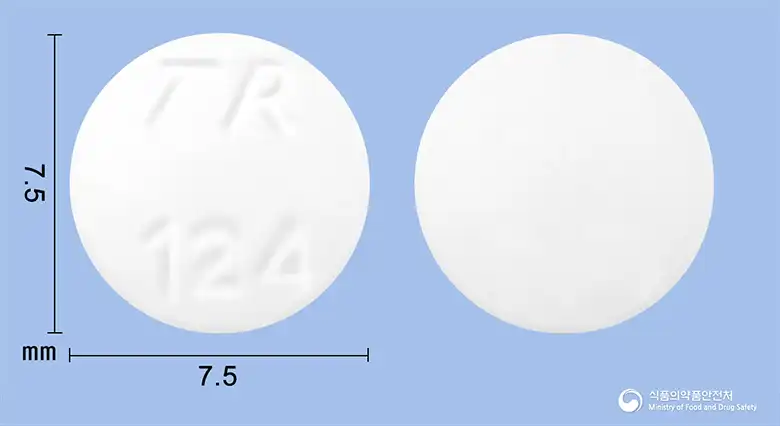
Tiropramide Hydrochloride 100mg
Tablet · Prescription medication
Kyungdong Pharmaceutical Co., Ltd.
Tiropramide Hydrochloride 50mg
Prescription medication
Kyung Dong Pharmaceutical Co., Ltd.
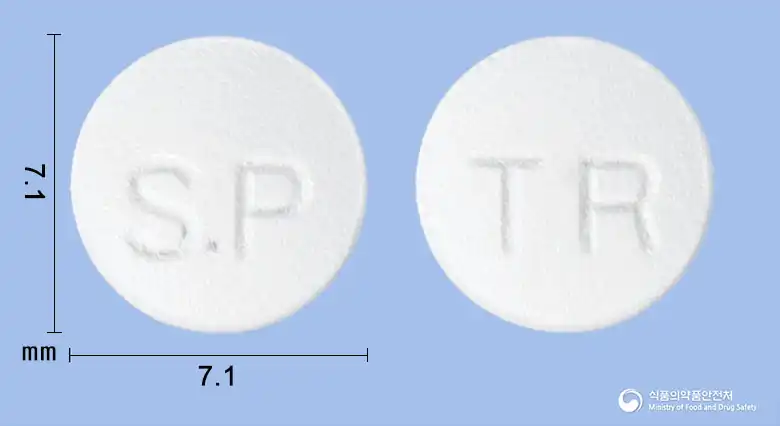
Tiropramide Hydrochloride 100mg
Tablet · Prescription medication
Sinpoong Pharmaceutical Co., Ltd.
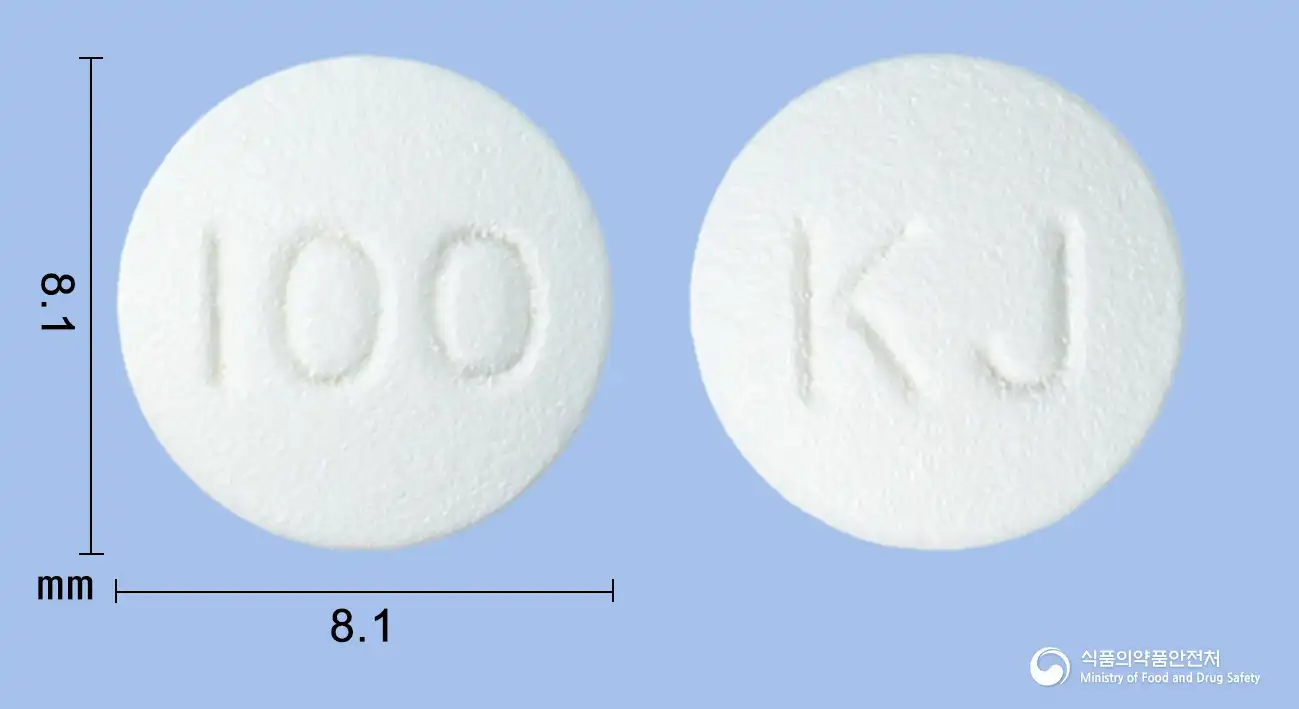
Tiropramide Hydrochloride 100mg
Tablet · Prescription medication
International Pharmaceutical Co., Ltd.
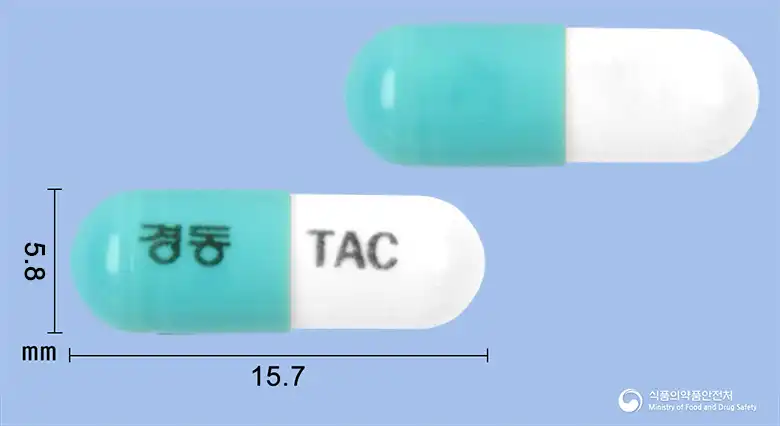
Tiropramide Hydrochloride 100mg
Hard capsule · Prescription medication
Kyungdong Pharmaceutical Co., Ltd.
Tiropramide Hydrochloride 16.67mg
Injections · Prescription medication
Shinpoong Pharmaceutical Co., Ltd.
Even with the same ingredient, the dose and directions can differ by strength and dosage form. Talk to a doctor or pharmacist before switching from a medication you are already taking.
No questions yet.
For anything that needs medical judgment, consult a doctor or pharmacist.
This drug information is based on data provided by the Korea Ministry of Food and Drug Safety.
Consult a doctor or pharmacist for accurate dosage, administration, and usage instructions.