Medication info
Exegran Tablet (Zonisamide)

Exegran Tablet (Zonisamide)

Prescription medicationTabletOral
Ingredient · strength
Zonisamide›100mg / 1 tablet
Manufacturer / importer
Dong-A ST Co., Ltd.
Appearance
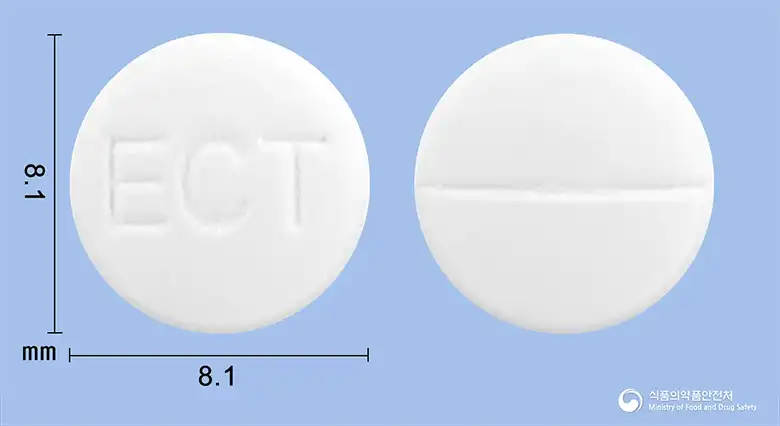
White round film-coated tablet
Packaging
30 tablets/bottle, 500 tablets/bottle
Approval status
Active

MFDS item code 199000165 · Approved 1990.05.28 · Insurance code 642500820

Summary

Main use
Control of partial seizures (simple, complex, etc.), mixed seizures, and generalized seizures (such as tonic-clonic seizures)
Who takes it
Adults · Children
Adult dose
Adults: The initial dose of zonisamide is 100-200㎎ per day, administered orally in 1-3 divided doses. Thereafter, increase the dose every 1-2 weeks to the usual dose of 200-400㎎ per day in 1-3 divided doses. However, a maximum of 600㎎ per day may be administered. Adjust the dose appropriately according to age and symptoms.
Child dose
Pediatric patients: The initial dose of this medicine is 2-4㎎ per ㎏ of body weight per day, administered in 1-3 divided doses. Thereafter, increase the dose every 1 -2 weeks to the usual dose of 4-8㎎ per ㎏ of body weight per day in 1-3 divided doses. However, a maximum of 12㎎ per ㎏ of body weight per day may be administered.

Ingredients

Manufacturer
Dong-A ST Co., Ltd.

Efficacy & effects

Control of partial seizures (simple, complex, etc.), mixed seizures, and generalized seizures (such as tonic-clonic seizures)

  • Partial seizures
  • simple partial seizures
  • Jacksonian seizures
  • autonomic seizures
  • psychomotor seizures
  • complex partial seizures
  • focal seizures
  • secondary generalized tonic-clonic seizures
  • generalized seizures
  • tonic-clonic seizures
  • grand mal
  • tonic seizures
View approved original text

This medication is used for the treatment of various forms of seizure disorders. Simple partial seizures include Jacksonian seizures, autonomic seizures, and psychomotor seizures, while complex partial seizures encompass psychomotor seizures and focal seizures. It is also indicated for secondary generalized tonic-clonic seizures. Generalized seizures include tonic-clonic seizures (grand mal), tonic seizures, atypical absence seizures (atypical petit mal), and mixed seizures are also within the treatment scope. This medication is used to prevent the occurrence of these various types of seizures and improve symptoms.

How to take

Adult dose

Adults: The initial dose of zonisamide is 100-200㎎ per day, administered orally in 1-3 divided doses. Thereafter, increase the dose every 1-2 weeks to the usual dose of 200-400㎎ per day in 1-3 divided doses. However, a maximum of 600㎎ per day may be administered. Adjust the dose appropriately according to age and symptoms.

Child dose

Pediatric patients: The initial dose of this medicine is 2-4㎎ per ㎏ of body weight per day, administered in 1-3 divided doses. Thereafter, increase the dose every 1 -2 weeks to the usual dose of 4-8㎎ per ㎏ of body weight per day in 1-3 divided doses. However, a maximum of 12㎎ per ㎏ of body weight per day may be administered.

Precautions

This medication is used in the treatment of epilepsy. There may be an increased risk of suicidal thoughts or behavior during treatment, and both patients and their guardians should carefully observe for these symptoms. Patients who are hypersensitive to this medication or have certain genetic disorders such as lactose intolerance should not take it. Patients with severe liver dysfunction should use this medication cautiously as blood concentration may increase. Various side effects, such as drowsiness, appetite loss, elevated liver function tests, movement disorders, nausea, and fatigue, may occur during treatment; if skin rashes or serious allergic reactions occur, discontinue use immediately and consult a healthcare professional. Serious adverse reactions, such as blood abnormalities, acute renal failure, interstitial pneumonia, liver dysfunction, rhabdomyolysis, kidney stones, and heat stroke, may occur, warranting regular evaluations. This medication can cause increased body temperature and decreased sweating; thus, caution is needed in hot environments. Acute myopia and increased intraocular pressure may occur related to ocular issues; notify a healthcare professional immediately if any ocular symptoms arise. The risk of altered drug concentration or side effects may increase when used in combination with other antiepileptic medications or certain drugs; therefore, consult a healthcare provider regarding any concomitant medications. Women who are pregnant or planning to become pregnant should consult a specialist before taking this medication, and breastfeeding women are advised to avoid breastfeeding while taking it. When administering to children or the elderly, dosage adjustments should be made with consideration for growth, development, and decreased physical function. Sudden discontinuation of this medication may lead to worsened seizures; the dosage should be gradually reduced. In cases of overdose, symptoms like coma, muscle spasms, and eye trembling may occur, necessitating immediate emergency care.

Side effects

  • Drowsiness
  • loss of appetite
  • elevation of γ-GTP
  • elevation of ALP
  • elevation of ALT (GPT)
  • elevation of AST (GOT)
  • decreased motivation
  • reduced spontaneity
  • ataxia
  • nausea
Show 142 more
  • vomiting
  • fatigue
  • weakness
  • decreased mental power
  • skin mucous membrane syndrome
  • toxic epidermal necrolysis
  • erythema multiforme
  • fever
  • erythema
  • vesicles
  • dizziness
  • itching
  • pharyngitis
  • eye congestion
  • oral mucositis
  • hypersensitivity
  • rash
  • lymphadenopathy
  • abnormal liver function
  • elevation of white blood cells
  • elevation of eosinophils
  • appearance of atypical lymphocytes
  • aplastic anemia
  • agranulocytosis
  • pure red cell aplasia
  • thrombocytopenia
  • acute renal failure
  • interstitial pneumonia
  • cough
  • shortness of breath
  • chest X-ray abnormalities
  • eosinophilia
  • liver function impairment
  • jaundice
  • rhabdomyolysis
  • myalgia
  • malaise
  • increased CK
  • increased myoglobin in blood and urine
  • kidney stones
  • renal colic
  • dysuria
  • hematuria
  • crystalluria
  • polyuria
  • sensation of residual urine
  • oliguria
  • reduced sweating
  • heatstroke
  • elevated body temperature
  • flushing
  • altered consciousness
  • hyperchloremia
  • differences in anion gap
  • metabolic acidosis
  • suicidal ideation
  • suicidal behavior
  • depression
  • rash
  • itching
  • eosinophilia
  • drug rash with systemic symptoms
  • erythema multiforme
  • hair loss
  • drowsiness
  • lack of motivation
  • decreased mental activity
  • lethargy
  • hypersensitivity
  • anxiety
  • memory impairment
  • judgment impairment
  • headache
  • dizziness
  • altered consciousness
  • sleep disturbances
  • anxiety
  • health anxiety
  • hallucinations
  • paranoia
  • visual hallucinations
  • auditory hallucinations
  • symptoms of psychosis
  • delusions of persecution
  • involuntary movements
  • tremor
  • sensory disturbance
  • numbness
  • speech disturbance
  • balance disorder
  • bad mood
  • depersonalization
  • diplopia
  • visual impairment
  • eye twitching
  • eye pain
  • nausea
  • gastric pain
  • abdominal pain
  • diarrhea
  • excessive salivation
  • thirst
  • oral mucositis
  • hiccups
  • constipation
  • leukopenia
  • anemia
  • thrombocytopenia
  • eosinophilia
  • proteinuria
  • elevated BUN
  • elevated creatinine
  • hematuria
  • crystalluria
  • polyuria
  • weight loss
  • fever
  • chest tightness
  • urinary disturbance
  • incontinence
  • decreased immunoglobulin
  • palpitations
  • wheezing
  • gynecomastia
  • appearance of antinuclear antibodies
  • decreased serum calcium
  • hyperammonemia
  • taste disturbance
  • acute pancreatitis
  • rhabdomyolysis
  • increased creatine phosphokinase
  • closed angle glaucoma
  • myopia
  • decreased vision
  • decreased appetite
  • weight loss
  • decreased bicarbonate levels
  • kidney stones
  • dehydration
  • coma
  • hepatomegaly
  • eye twitching

Not everyone experiences these, and they can vary from person to person.

Storage

Store this medication in a tightly closed container to prevent air and moisture exposure, ideally at room temperature between 1 to 30 degrees Celsius. Proper storage will help maintain the effectiveness and safety of the medication.

Appearance and packaging

Appearance

White round film-coated tablet

Package unit

30 tablets/bottle, 500 tablets/bottle

Same-ingredient medicines

Even with the same ingredient, strength, dosage form and how it is taken can differ.

Even with the same ingredient, the dose and directions can differ by strength and dosage form. Talk to a doctor or pharmacist before switching from a medication you are already taking.

Questions about this medicine

No questions yet.

For anything that needs medical judgment, consult a doctor or pharmacist.

Related searches

Search tags

Suggested searches

This drug information is based on data provided by the Korea Ministry of Food and Drug Safety.
Consult a doctor or pharmacist for accurate dosage, administration, and usage instructions.