
 한국어
한국어 English
 日本語
日本語 中文(简体)
 Viewing now
Mebarochin 5 mg (Pravastatin Sodium)
Pravastatin Sodium 5mg
Tablet · Prescription medication
HK inno.N Co., Ltd.
MFDS item code 199000074 · Approved 1990.04.10 · Insurance code 640003820
Treatment of hyperlipidemia (primary and mixed) and reduction of risks of myocardial infarction and cardiovascular diseases.
This medication is effective for primary hyperlipidemia, particularly hypercholesterolemia and mixed hyperlipidemia (both hypercholesterolemia and hypertriglyceridemia). It also helps reduce the incidence of myocardial infarction and the risk of death from coronary artery disease in high-risk male patients with hypercholesterolemia or mixed hyperlipidemia, who have various risk factors, including a history of vascular disease, diabetes, smoking, family history, and hypertension. Furthermore, it is used in patients with a history of myocardial infarction or unstable angina to lower the risk of recurrence of myocardial infarction, the need for cardiovascular revascularization, ischemic stroke, and transient ischemic attack. Therefore, this medication plays an important role in lowering hyperlipidemia and cardiovascular risk.
Before starting treatment, patients should begin a low-cholesterol diet and continue during treatment. The usual starting dose is 10 mg, 20 mg, or 40 mg taken as a single dose once daily. Depending on the patient's response, the dose may be increased up to a maximum of 40 mg, with the maintenance dose being 10 to 40 mg once daily. For patients with a history of myocardial infarction or unstable angina, the treatment goal of reducing the risks of 'myocardial infarction, need for cardiovascular revascularization, ischemic stroke, transient ischemic attack' can be achieved with pravastatin sodium 40 mg/day. Lower doses have not been studied for effectiveness. 2) Patients receiving immunosuppressants like cyclosporine: the initial dose is 5 to 10 mg, with very cautious dose adjustments. The maximum daily dose is 20 mg. However, in kidney transplant recipients, it should not exceed 10 mg per day.
This medication should not be used in certain patients. For example, it should not be administered to individuals who are allergic or hypersensitive to this drug, those with severe liver disease, pregnant or breastfeeding women, children, or patients with severe liver or kidney dysfunction. Additionally, it should not be given to patients with muscle diseases or those with issues related to bile flow, as well as patients with specific blood cholesterol abnormalities. Since this drug is primarily metabolized in the liver, patients with poor liver function should use it with caution. Patients with severely impaired kidney function also need to be cautious, as the risk of muscle damage may be increased when used with certain medications. Care should be taken when administering to patients who consume alcohol excessively or have muscle weakness. During treatment, adverse reactions such as skin rashes, dyspepsia, liver function abnormalities, kidney function changes, muscle pain, or weakness may occur, so immediate consultation with a physician should be sought if these symptoms arise. In particular, muscle-related adverse reactions can be serious, so if muscle pain, weakness, fever, etc., occur, healthcare professionals should be notified immediately. This drug is used for the treatment of hypercholesterolemia, and regular blood lipid and liver function tests should be conducted before and during its use. Moreover, this medication can be harmful to the fetus during pregnancy, so women who are pregnant or may become pregnant should not take it, and it should be avoided during breastfeeding. The elderly may have decreased bodily function, thus dose adjustments may be necessary. This drug may interact with other medications, so patients should inform their doctors or pharmacists of any medications they are currently taking. In case of overdose, immediate medical attention should be sought for appropriate tests, including liver function tests. Finally, this medication is most effective when taken after dinner, and should be stored in a safe place out of the reach of children.
Not everyone experiences these, and they can vary from person to person.
This medication should be stored in a tightly sealed container to protect it from air and moisture. It should also be kept away from direct sunlight and stored at room temperature, avoiding too hot or cold places.
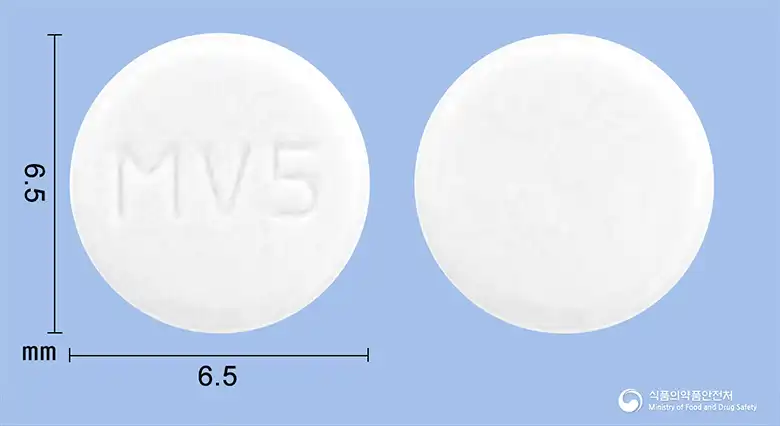
This product is a white, round tablet.
100 tablets (10 tablets/ PTP packaging x 10)
Even with the same ingredient, strength, dosage form and how it is taken can differ.
Viewing nowPravastatin Sodium 5mg
Tablet · Prescription medication
HK inno.N Co., Ltd.
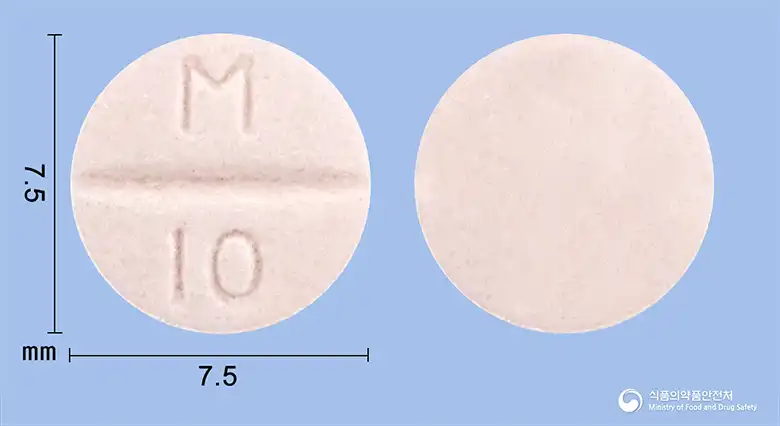
Pravastatin Sodium 10mg
Tablet · Prescription medication
HK inno.N Co., Ltd.
Pravastatin Sodium 5mg
Tablet · Prescription medication
Youngjin Pharmaceutical Co., Ltd.
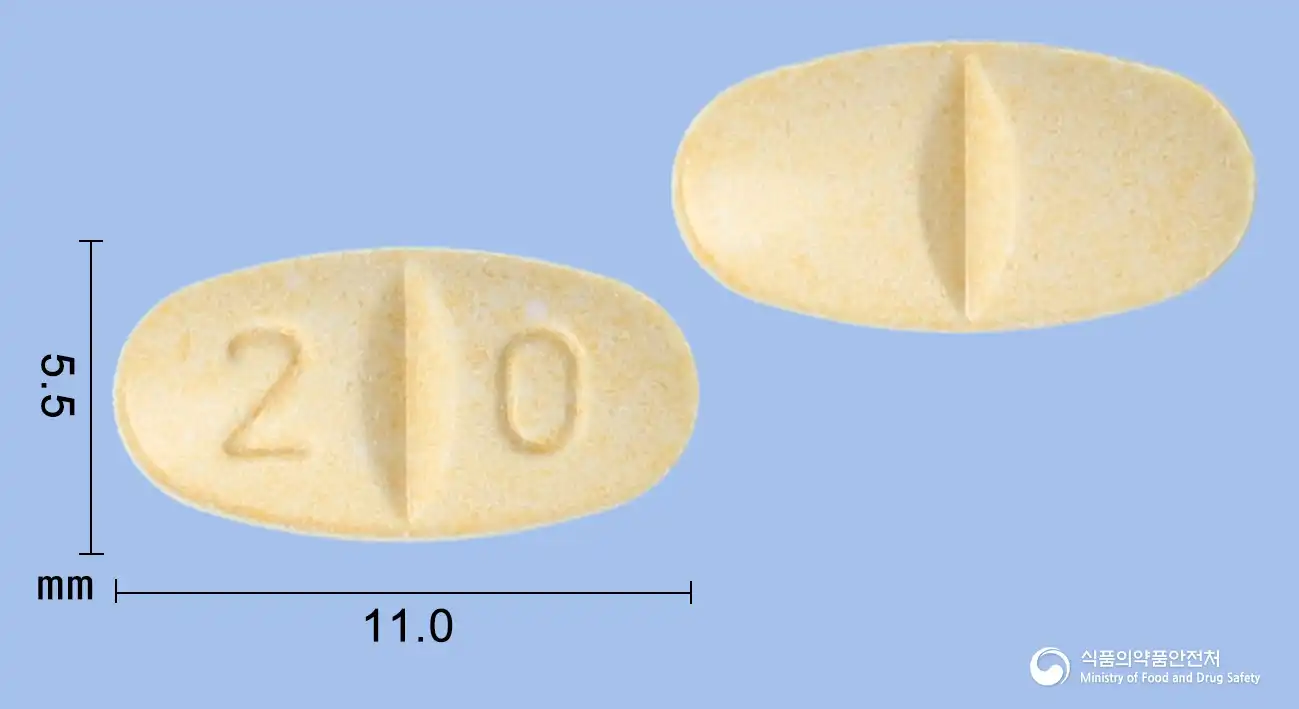
Pravastatin Sodium 20mg
Tablet · Prescription medication
HK inno.N Co., Ltd.
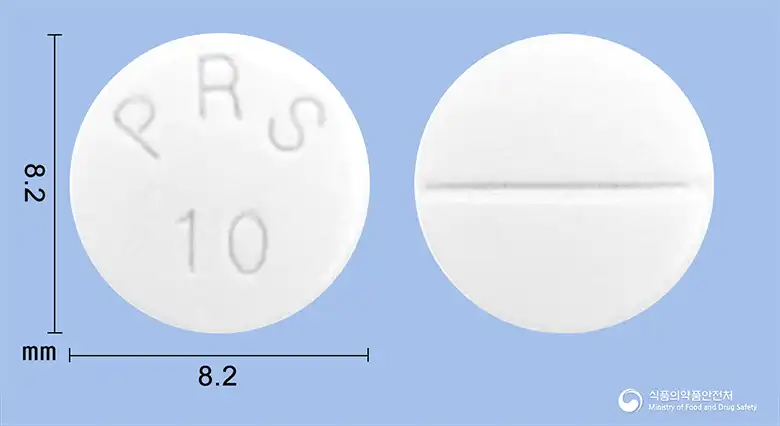
Pravastatin Sodium 10mg
Tablet · Prescription medication
Youngjin Pharmaceutical Co., Ltd.
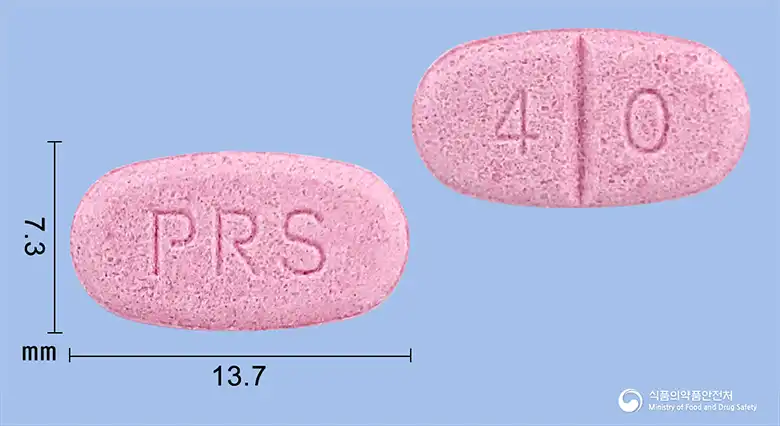
Pravastatin Sodium 40mg
Tablet · Prescription medication
Youngjin Pharmaceutical Co., Ltd.
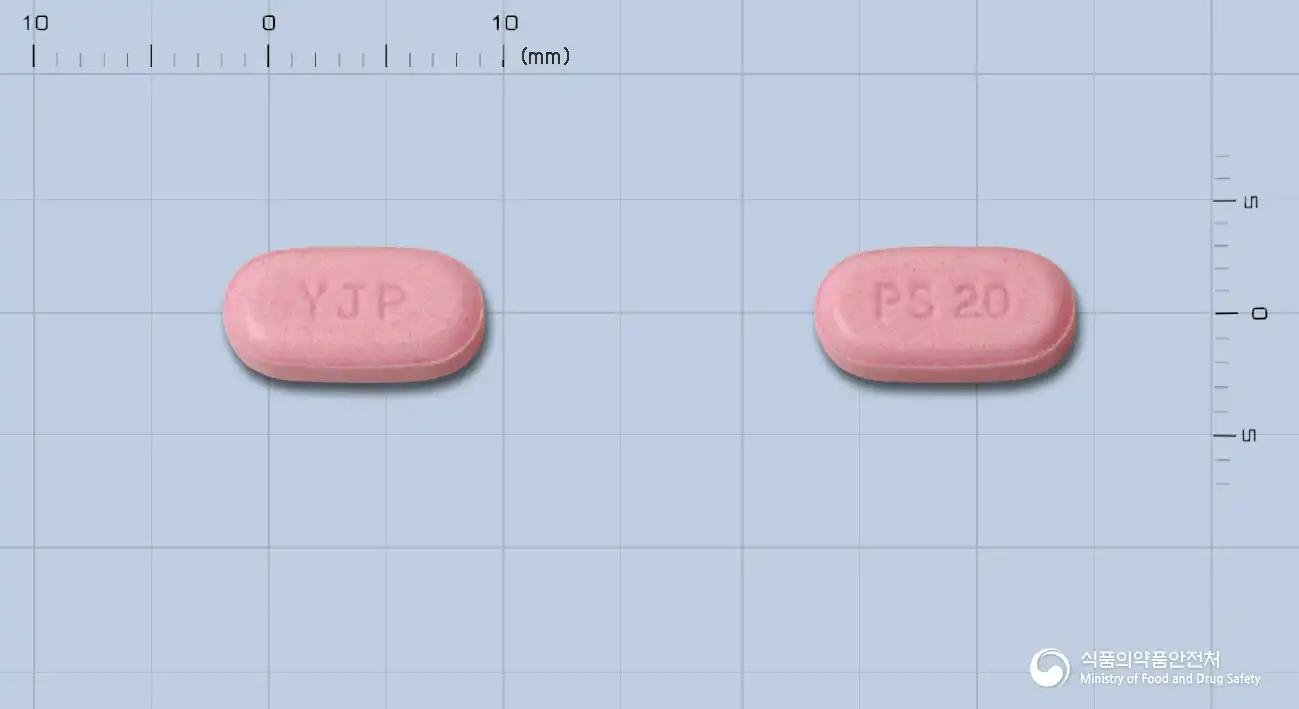
Pravastatin Sodium 20mg
Tablet · Prescription medication
Youngjin Pharmaceutical Co., Ltd.
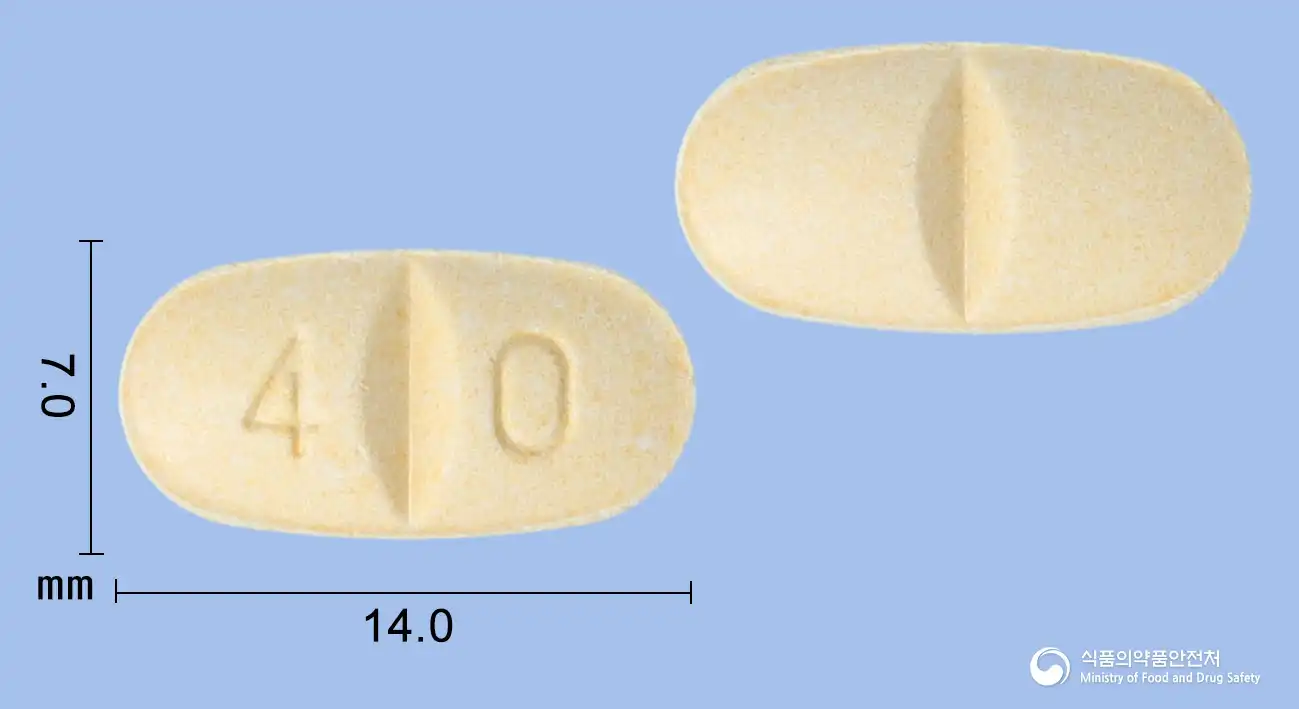
Pravastatin Sodium 40mg
Tablet · Prescription medication
HK inno.N Co., Ltd.
Even with the same ingredient, the dose and directions can differ by strength and dosage form. Talk to a doctor or pharmacist before switching from a medication you are already taking.
No questions yet.
For anything that needs medical judgment, consult a doctor or pharmacist.
This drug information is based on data provided by the Korea Ministry of Food and Drug Safety.
Consult a doctor or pharmacist for accurate dosage, administration, and usage instructions.