
 한국어
 English
 日本語
 中文(简体)
 Viewing now
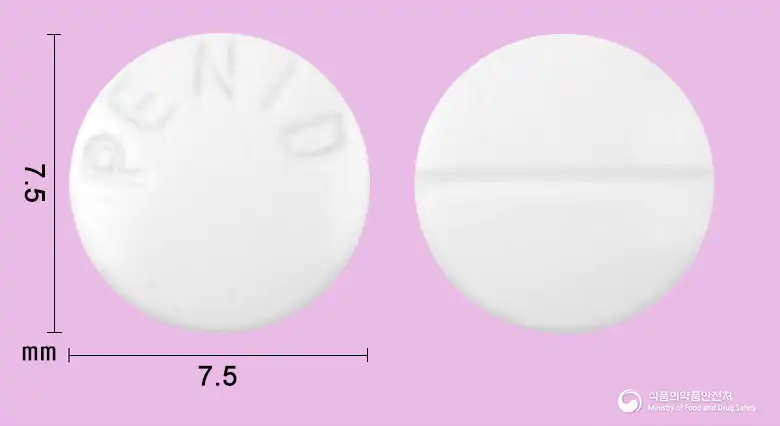
Phenid Tablet 10 mg (Methylphenidate Hydrochloride)
Methylphenidate Hydrochloride 10mg
Tablet · Prescription medication
Hwanin Pharmaceutical Co., Ltd.
MFDS item code 198902797 · Approved 1989.12.27 · Insurance code 657200860
Treatment of attention-deficit/hyperactivity disorder and narcolepsy in children and adolescents aged 6 years and older
This medication helps relieve symptoms of narcolepsy. It is also used to treat Attention Deficit Hyperactivity Disorder (ADHD) in children and adolescents aged 6 and older. ADHD is accompanied by symptoms of hyperactivity, impulsivity, and inattention, and this medication reduces these symptoms to improve their impact on daily life. This medication may be used alongside psychological, educational, and social interventions to enhance overall therapeutic effects. It should be prescribed appropriately through a doctor's assessments based on the patient's symptoms and condition. In summary, this medication is effectively used in the treatment of narcolepsy and ADHD.
Narcolepsy: Administer 20 ∼ 60 mg of methylphenidate hydrochloride per day in 1 ∼ 2 divided doses. Adjust the dose as appropriate according to the patient's age and symptoms.
Children and adolescents 6 years of age and older, attention-deficit/hyperactivity disorder: Administer 5 mg of this medicine twice daily (before breakfast and lunch). If needed, increase the dose by 5 ∼ 10 mg at 1-week intervals. Do not exceed 60 mg per day. Discontinue treatment if there is no improvement after taking an appropriate dose for at least 1 month.
This medication may be risky for individuals with heart problems. Children or adolescents with structural abnormalities of the heart or irregular heartbeats should not use it. Adults with heart disease should also avoid this medication. Patients with hypertension should regularly check their blood pressure and heart rate, and care should be taken if their blood pressure is unstable. Individuals with psychiatric disorders or a history of psychosis should use this medication cautiously as it may worsen their symptoms. Patients with bipolar disorder should have their mental status well assessed before starting this medication, and if new symptoms of psychosis or mania arise, they should consult a doctor immediately. Aggressive behavior or hostility may emerge; therefore, careful monitoring is necessary if these symptoms develop. Long-term use in children may affect growth, so their growth status should be regularly checked, and if there are concerns about growth, the medication may be temporarily discontinued. Patients with a history of seizures or abnormalities in their EEG should use this medication cautiously as it may trigger seizures, and if a seizure occurs, medication should be stopped immediately. Fingers may turn white or there may be issues with blood circulation, so finger conditions should be checked frequently, and visual disturbances may rarely occur, requiring reporting of any eye issues. This medication is not used in children under 5 years of age as its safety and efficacy have not been established. Individuals with a history of substance dependence or alcohol abuse are at risk of misuse, so they should be careful not to adjust the dosage themselves. In male patients, persistent and painful erections may occur rarely; if such symptoms appear, they should inform medical personnel immediately. This medication should not be used by those with allergies to it or severe anxiety, glaucoma, certain mental disorders, severe cardiovascular diseases, and hyperthyroidism. During treatment with this medication, regular checks of blood pressure, heart status, and mental state are required, and caution should be taken regarding interactions with other medications. Pregnant or breastfeeding individuals should use it only after consulting a doctor, and breastfeeding mothers are advised to discontinue breastfeeding. Elderly patients may have reduced bodily functions, so the dosage should be adjusted accordingly. In cases of overdose, symptoms such as central nervous system overstimulation, cardiovascular anomalies, and psychiatric symptoms may emerge, necessitating immediate medical treatment.
Not everyone experiences these, and they can vary from person to person.
This medication should be stored in a tightly sealed container to prevent exposure to air or moisture. It is important to maintain a storage temperature between 1 and 30 degrees Celsius to preserve the medication's efficacy and safety over time.
White round tablet
30 tablets/bottle, 200 tablets/bottle, 200 tablets (10 tablets/PTP × 20)
Even with the same ingredient, strength, dosage form and how it is taken can differ.
Viewing nowMethylphenidate Hydrochloride 10mg
Tablet · Prescription medication
Hwanin Pharmaceutical Co., Ltd.
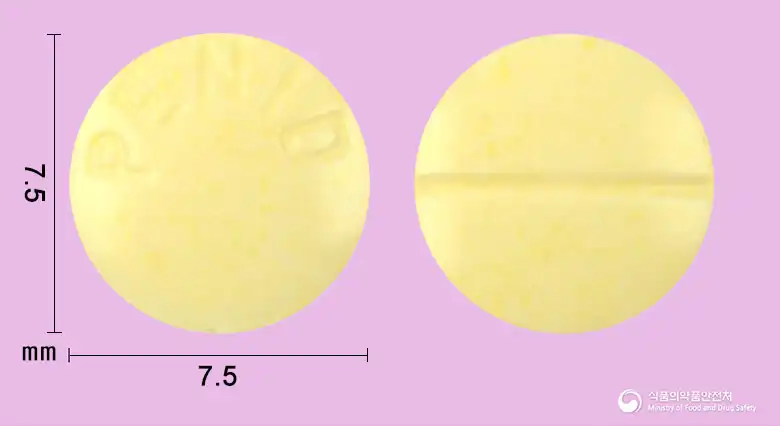
Methylphenidate Hydrochloride 5mg
Tablet · Prescription medication
Hanin Pharmaceutical Co., Ltd.
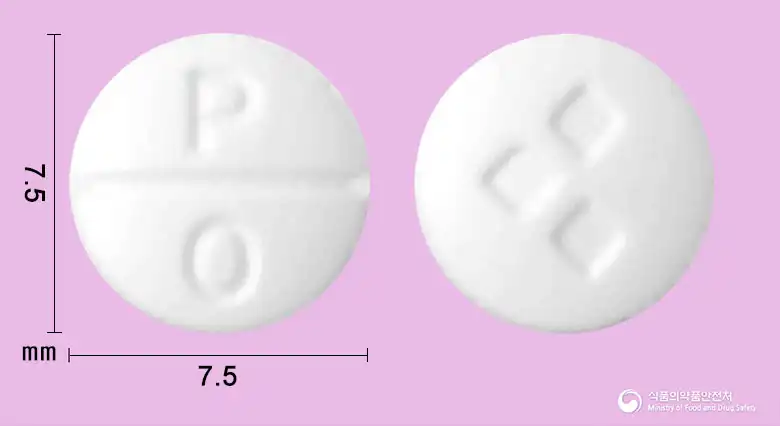
Methylphenidate Hydrochloride 10mg
Tablet · Prescription medication
Myungjin Pharmaceutical Co., Ltd.
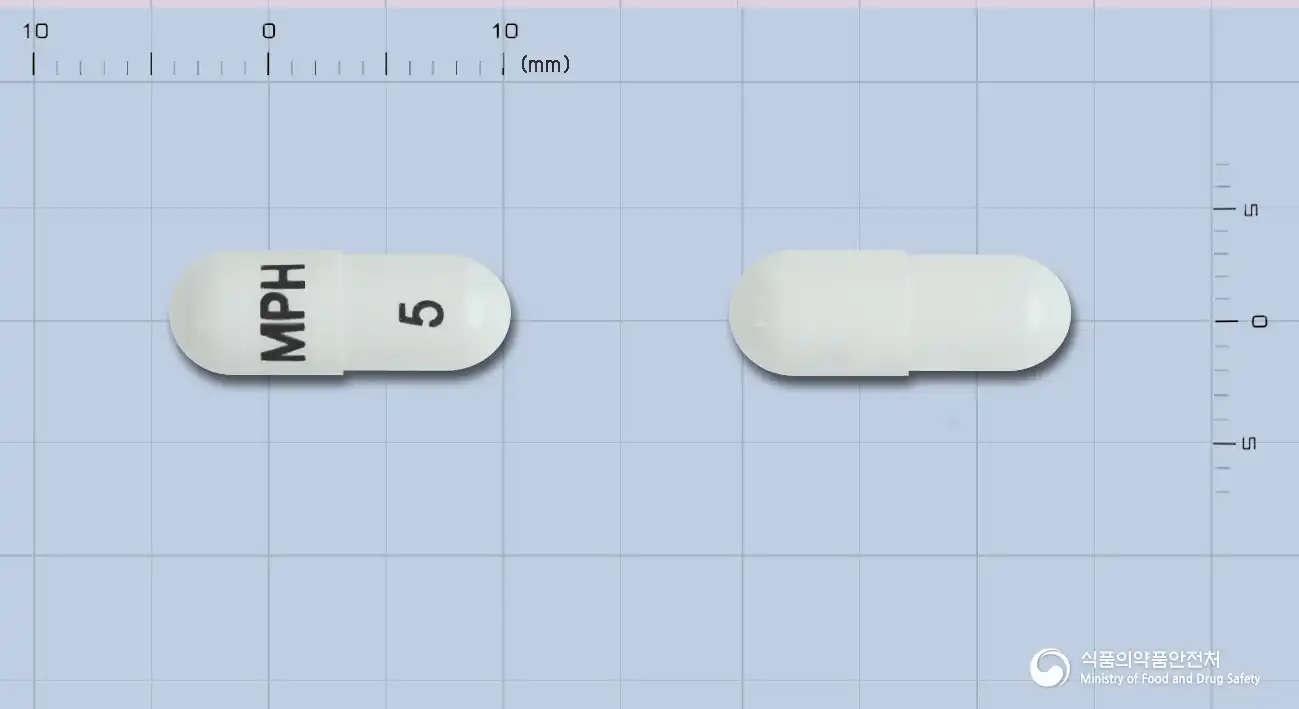
Methylphenidate Hydrochloride 2.5mg
Prescription medication
Myungjin Pharmaceutical Co., Ltd.
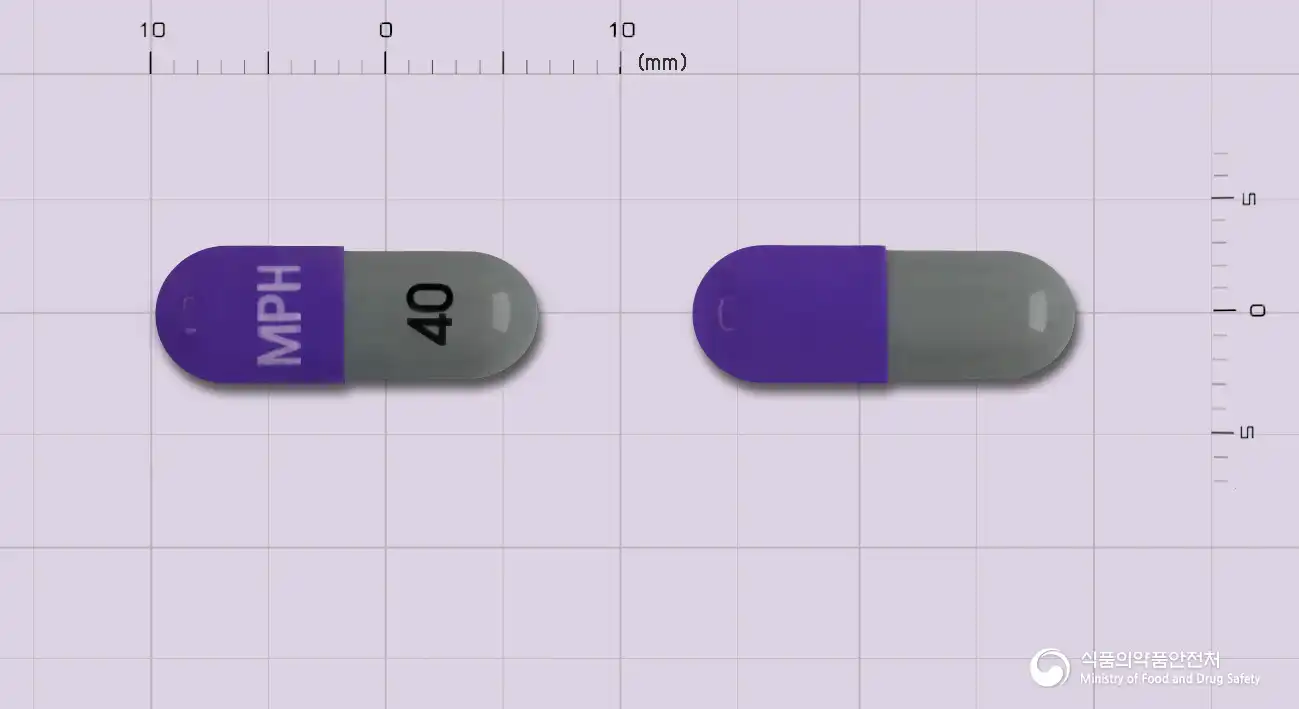
Methylphenidate Hydrochloride 20mg
Hard capsule · Prescription medication
Myungjin Pharmaceutical Co., Ltd.
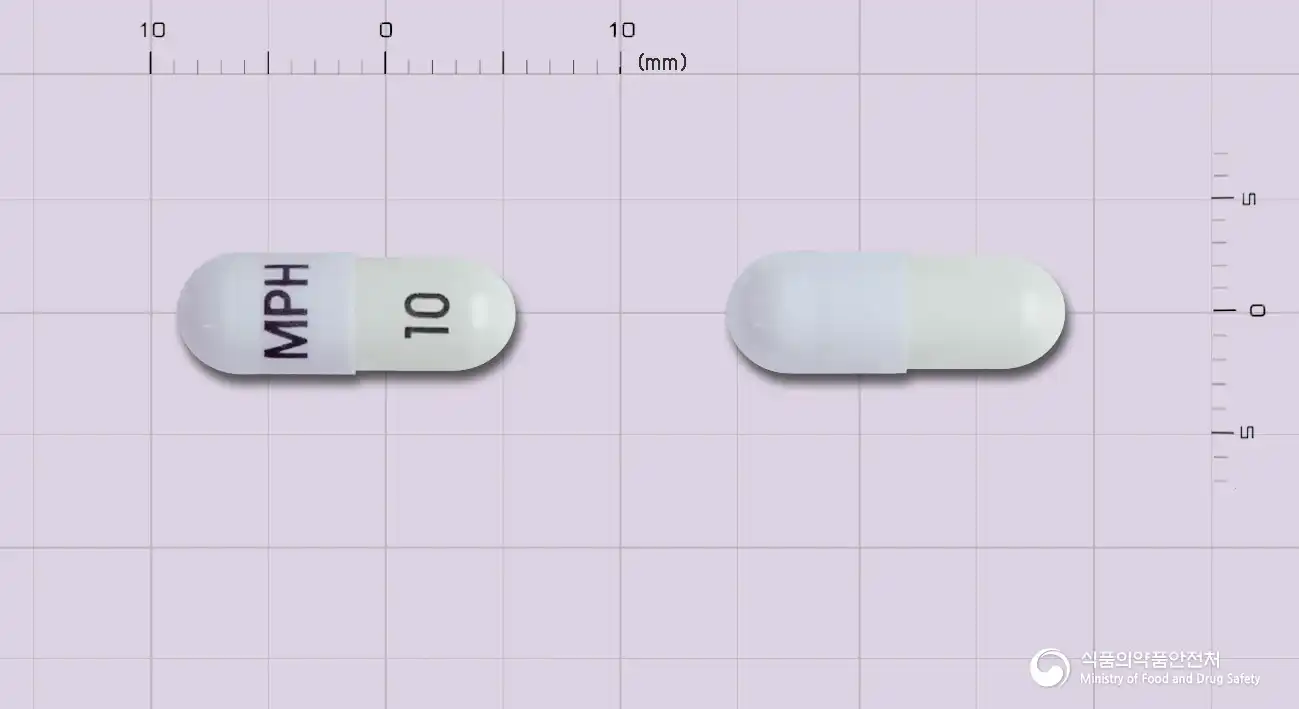
Methylphenidate Hydrochloride 5mg
Hard capsule · Prescription medication
Myeongin Pharmaceutical Co., Ltd.
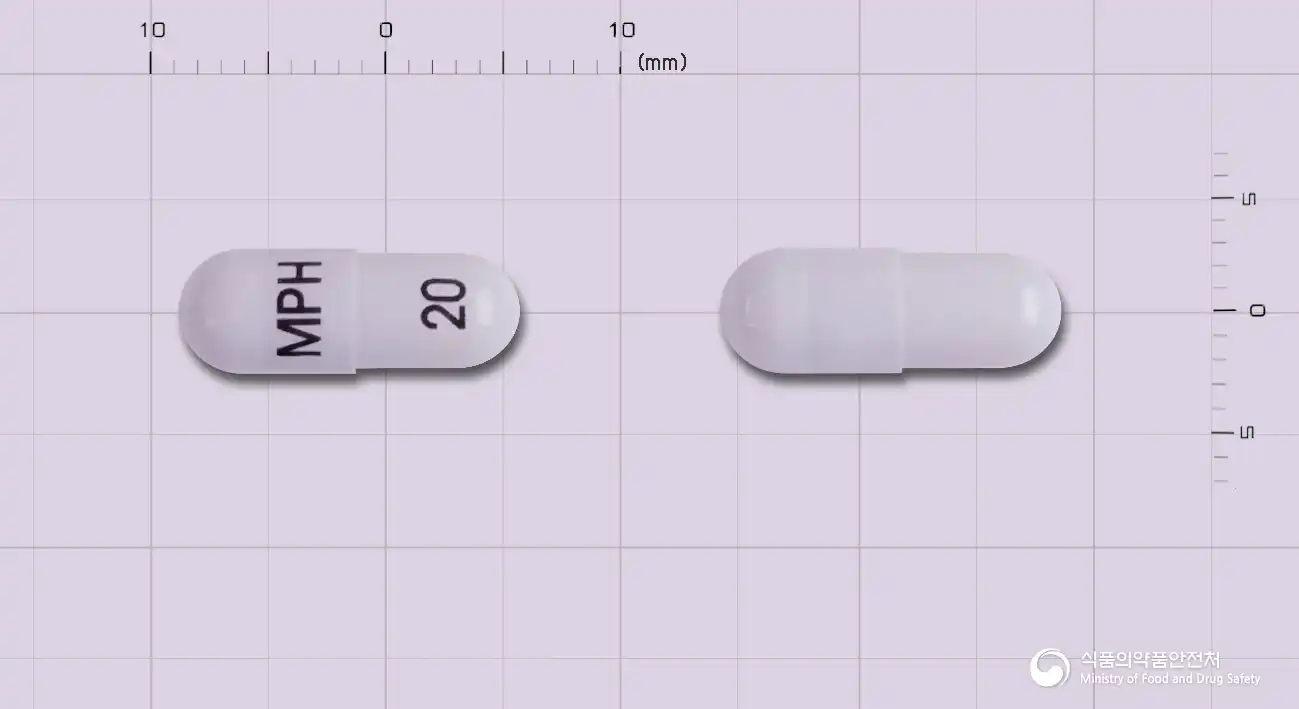
Methylphenidate Hydrochloride 10mg
Hard capsule · Prescription medication
Myungin Pharmaceutical Co., Ltd.
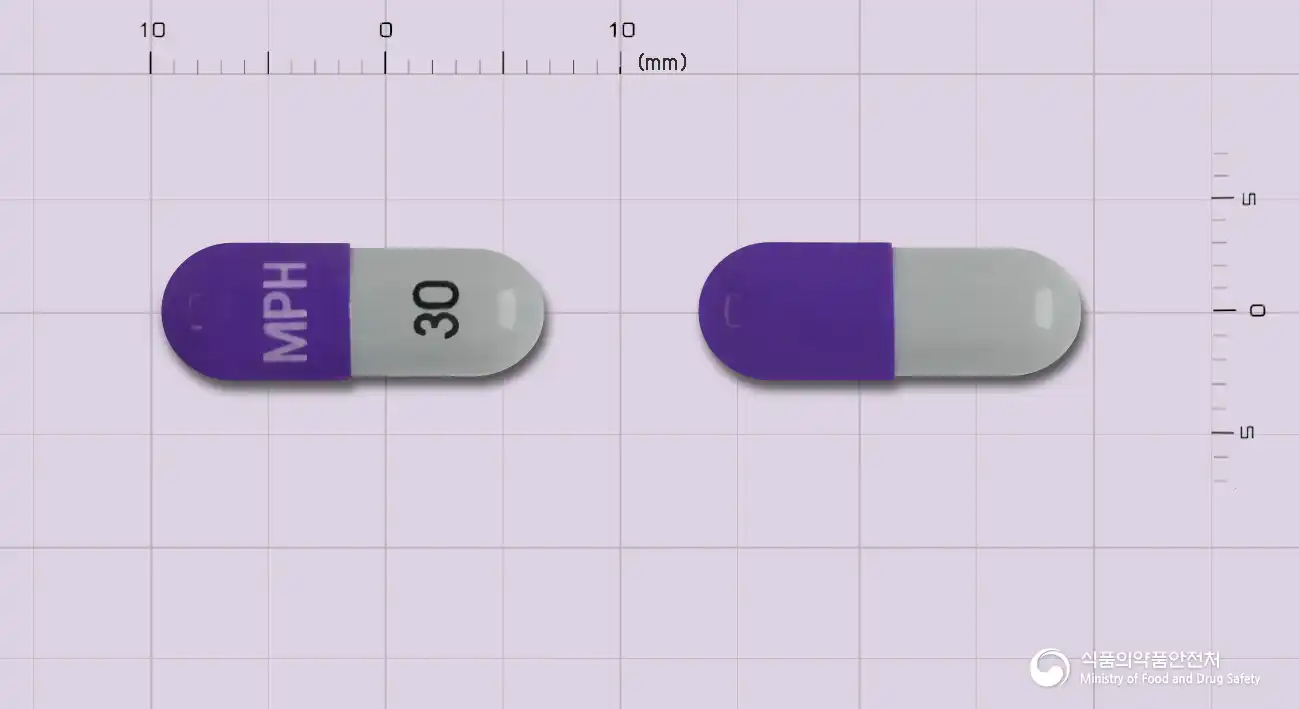
Methylphenidate Hydrochloride 15mg
Hard capsule · Prescription medication
Myungin Pharmaceutical Co., Ltd.
Even with the same ingredient, the dose and directions can differ by strength and dosage form. Talk to a doctor or pharmacist before switching from a medication you are already taking.
No questions yet.
For anything that needs medical judgment, consult a doctor or pharmacist.
This drug information is based on data provided by the Korea Ministry of Food and Drug Safety.
Consult a doctor or pharmacist for accurate dosage, administration, and usage instructions.