
 한국어
 English
 日本語
 中文(简体)
Summary
- Main use
- Treatment of essential hypertension, arrhythmias, and heart conditions (e.g., angina and hyperkinetic heart syndrome)
- Who takes it
- Adults
- Adult dose
- Adults: Administer 10-15㎎ of carteolol hydrochloride orally in 2-3 divided doses daily. If the effect is insufficient, the dose may be increased to 30㎎ daily. Adjust the dose as appropriate according to age and symptoms.
Ingredients
- Manufacturer
- Otsuka Pharmaceutical Co., Ltd.
Efficacy & effects
Treatment of essential hypertension, arrhythmias, and heart conditions (e.g., angina and hyperkinetic heart syndrome)
- Angina pectoris
- hyperdynamic heart syndrome
- sinus tachycardia
- tachyarrhythmia
- ectopic beats
- ventricular ectopic beats
- essential hypertension
View approved original textHide original text
This medicine is effective in relieving symptoms that occur due to decreased oxygen supply to the heart, such as angina pectoris. It is also used for the treatment of various types of arrhythmias, such as sinus tachycardia, tachyarrhythmias, ectopic beats, and ventricular ectopic beats. It helps in controlling blood pressure in patients with mild to moderate essential hypertension. By improving these cardiovascular diseases, it contributes to symptom relief and maintenance of heart health.
How to take
Adult dose
Adults: Administer 10-15㎎ of carteolol hydrochloride orally in 2-3 divided doses daily. If the effect is insufficient, the dose may be increased to 30㎎ daily. Adjust the dose as appropriate according to age and symptoms.
Precautions
This medication should not be used in patients with bronchial asthma or bronchospasm. Patients with diabetic ketoacidosis or metabolic acidosis should also not be given this medication. This medication is contraindicated in patients with very slow heart rates, heart conduction disorders, or those in cardiogenic shock. Patients with weakened right heart function due to pulmonary hypertension and those with congestive heart failure should also refrain from using this medicine. Pregnant women or women who may become pregnant should not take this medication. This medication should be used with caution in patients who are at risk for congestive heart failure, especially when used in conjunction with medications like digitalis. Patients with poorly controlled diabetes or experiencing hypoglycemic symptoms should be closely monitored for blood glucose levels while using this medication. Patients with severely impaired liver or kidney function, as well as those with peripheral circulation disorders, should also use this medicine with caution. Special attention is required for elderly patients and those with pheochromocytoma. This medication may cause cardiovascular side effects such as dizziness, bradycardia, hypotension, and palpitations. Neurological symptoms such as headache, drowsiness, insomnia, and anxiety may also occur, along with digestive issues like nausea, vomiting, and abdominal pain. Respiratory problems such as bronchospasm or asthma symptoms may occur, so patients with respiratory diseases should use caution. Liver enzyme levels may temporarily rise, and vision impairment or reduced tear secretion may also occur. Urological issues such as skin rashes or itching, erectile dysfunction, and increased urination have been reported, as well as symptoms of muscle pain or arthritis. Long-term use requires regular monitoring of heart function, blood pressure, and electrocardiogram; the dosage should be reduced or the medication discontinued if bradycardia or hypotension occurs. Patients with hyperthyroidism should be cautious as this medication may mask symptoms; careful consideration is needed when discontinuing. Patients scheduled for surgery should refrain from using this medication for at least 24 hours prior to the procedure. Initial dosing may cause dizziness or lightheadedness, so operating a vehicle or hazardous machinery should be avoided. This medication may interact with other sympatholytic agents, hypoglycemic agents, calcium channel blockers, etc., so consultation with healthcare professionals is advised. It is generally recommended that pregnant or breastfeeding women avoid using this medication; when breastfeeding, the risks and benefits should be cautiously weighed. Safety in children has not been established, and experience in use is lacking. Elderly patients should avoid excessive blood pressure drops and should taper off the dosage gradually when discontinuing. In case of overdose, symptoms like bradycardia, hypotension, bronchospasm, and heart failure may occur; immediate discontinuation and proper treatment should be pursued as directed by healthcare professionals. This medication may affect liver function test results, so regular testing is necessary. Extended-release capsule formulations should be swallowed whole without chewing.
Side effects
Dizziness, unsteadiness, bradycardia, palpitations, shortness of breath, hypotension, tendency to increase heart failure, chest pain, headache, heavy-headedness, tinnitus, drowsiness, insomnia, tremor, feeling of unfairness, fatigue, anxiety, nightmares, feeling of obstruction in the ear, stomatitis, abdominal discomfort, nausea, vomiting, heartburn, diarrhea, loss of appetite, abdominal pain, constipation, abdominal bloating, bronchitis, bronchospasm, rhinitis, sinusitis, dyspnea, cough, phlegm, asthma-like symptoms, feeling of upper airway obstruction, elevated ALT, elevated AST, elevated LDH, blurred vision, symptom of relaxed eyes, conjunctivitis, psoriasis, psoriasiform dermatitis, dermatitis, skin itching, erectile dysfunction, increased urinary frequency, urinary tract infection, malaise, weakness, hypoglycemia, elevated total cholesterol, paralysis of limbs, cold sensation in the lower limbs, sweating, coldness, epistaxis, edema, calf cramps, myalgia, arthritis, agranulocytosis, thrombocytopenic purpura, thrombocytopenic purpura, laryngospasm, respiratory distress, reversible depression causing tension disease, visual disturbances, hallucinations, reversible acute syndrome due to disorientation, short-term memory loss, emotional instability caused by mild sensory confusion, decreased activity in neuropsychiatric disorders, mesenteric arterial thrombosis, ischemic colitis, reversible hair loss, Peyronie's disease, erythematous rash
Not everyone experiences these, and they can vary from person to person.
Storage
This medication should be stored in a well-sealed container that is air-tight, and kept at room temperature between 1 degree and 30 degrees Celsius. Storing it this way will help maintain the effectiveness of the medication and prevent degradation.
Appearance and packaging
Appearance
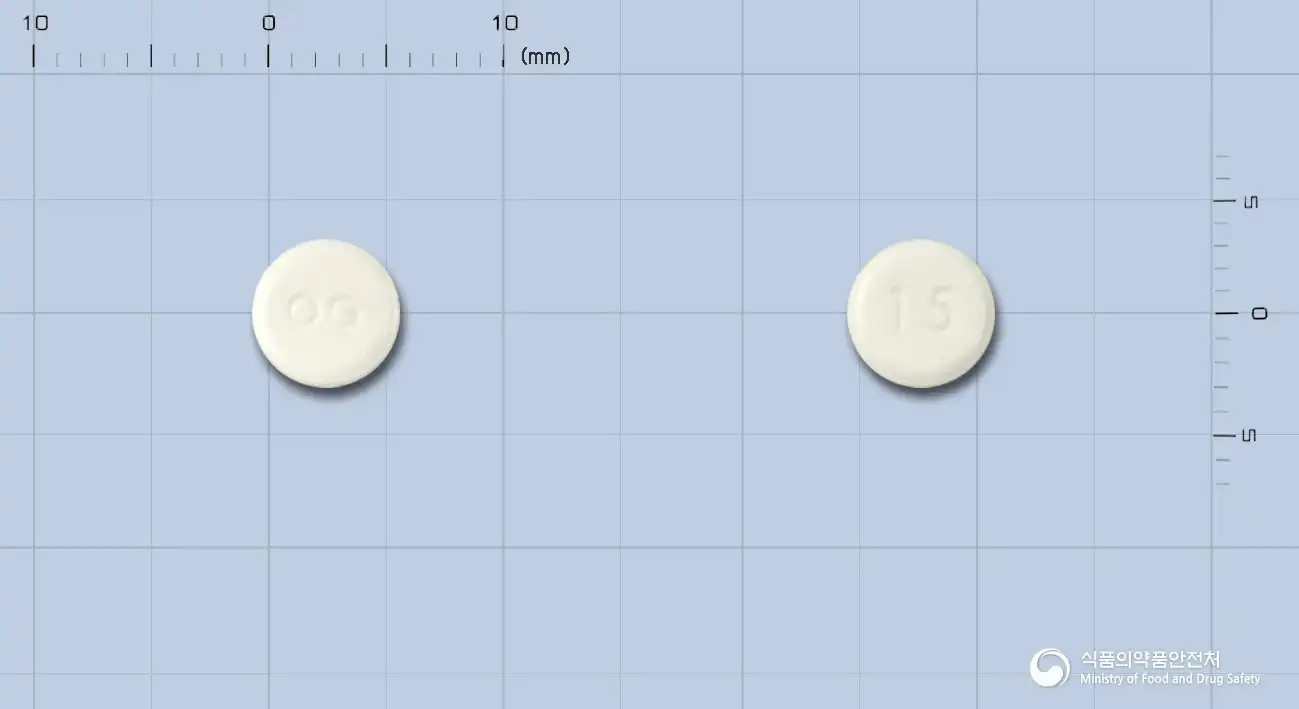
White round tablet
Package unit
100 tablets (10 tablets/PTP X 10), 500 tablets/bottle
Questions about this medicine
No questions yet.
For anything that needs medical judgment, consult a doctor or pharmacist.