
 한국어
 English
 日本語
 中文(简体)
 Viewing now
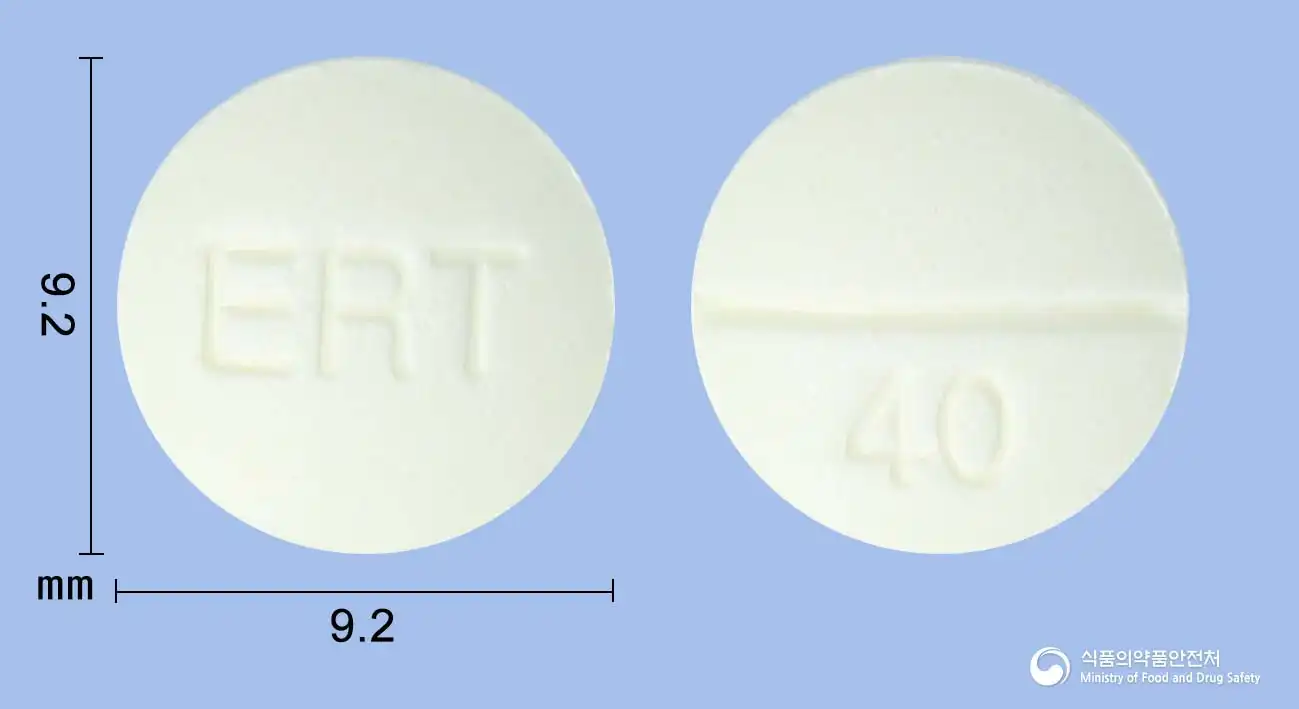
Eloton Tablet 40 milligrams (Isosorbide Dinitrate)
Isosorbide Mononitrate 44.46mg
Tablet · Prescription medication
Hyundai Pharmaceutical Co., Ltd.
MFDS item code 198902253 · Notified 1989.03.15 · Insurance code 642000880
Treatment of coronary artery disease (e.g., angina) and adjunctive treatment of congestive heart failure
This medication is used for coronary artery disease, such as angina pectoris or myocardial infarction. It is also used as an adjunctive therapy to assist in the treatment of congestive heart failure, in combination with cardiac glycosides or diuretics. It is effective in improving heart function and aiding blood circulation.
Adults: Administer 20㎎ of isosorbide mononitrate per dose, 2 times daily, or 40㎎ once daily by mouth. Adjust the dosage appropriately according to age and symptoms.
This drug should not be used in patients with a genetic condition that prevents the digestion of lactose, as it contains lactose. It should also not be administered to patients with glaucoma, allergies to nitrate preparations, severe hypotension, or those in cardiogenic shock, as well as patients with severe anemia. Patients with head injuries or cerebral hemorrhage should be cautious as this medication can increase intracranial pressure, and it is contraindicated in patients with low left ventricular filling pressures during an acute myocardial infarction and certain heart diseases. Patients with hypotension, pulmonary hypertension, the elderly, patients with orthostatic dysregulation, and those with heart valve diseases should use this drug carefully. Taking this medication may result in cardiovascular symptoms such as dizziness, flushing, palpitations, hypotension, and edema, as well as neurological symptoms like headaches, insomnia, and lethargy. If allergic reactions such as skin rash or itching occur, administration should be stopped immediately. Gastrointestinal symptoms such as abdominal pain, diarrhea, nausea, and vomiting may occur, and liver dysfunction may also arise; hence, liver function should be monitored closely. This medication is not suitable for relieving angina attacks, and in such cases, another rapid-acting nitrate should be used. Abruptly discontinuing the medication can worsen symptoms, so it should not be stopped without a doctor's advice. If blood pressure drops too low, administration should be ceased and appropriate treatment sought, as orthostatic hypotension may occur, necessitating caution. Care should be taken when taking this drug with other vasodilators, antihypertensives, certain antidepressants, and alcohol, as this may result in excessive hypotension. Particularly, combinations with drugs that can affect heart rhythm should be avoided. Pregnant or breastfeeding women should use this medication cautiously, as it may affect the fetus or neonate, and should only be used when necessary or breastfeeding should be discontinued. Safety in pediatric patients has not been established, so use in this population is not recommended. Elderly patients may have decreased liver and kidney function, so they should start at a low dose and increase slowly with caution.
Not everyone experiences these, and they can vary from person to person.
This medication should be stored in a tightly sealed container to protect it from air and moisture. The storage temperature should be maintained at room temperature between 1 to 30 degrees Celsius. Proper storage will help retain the effectiveness of the medication.
Pale yellow, round tablet
30 tablets/bottle, 100 tablets/bottle
Even with the same ingredient, strength, dosage form and how it is taken can differ.
Viewing nowIsosorbide Mononitrate 44.46mg
Tablet · Prescription medication
Hyundai Pharmaceutical Co., Ltd.
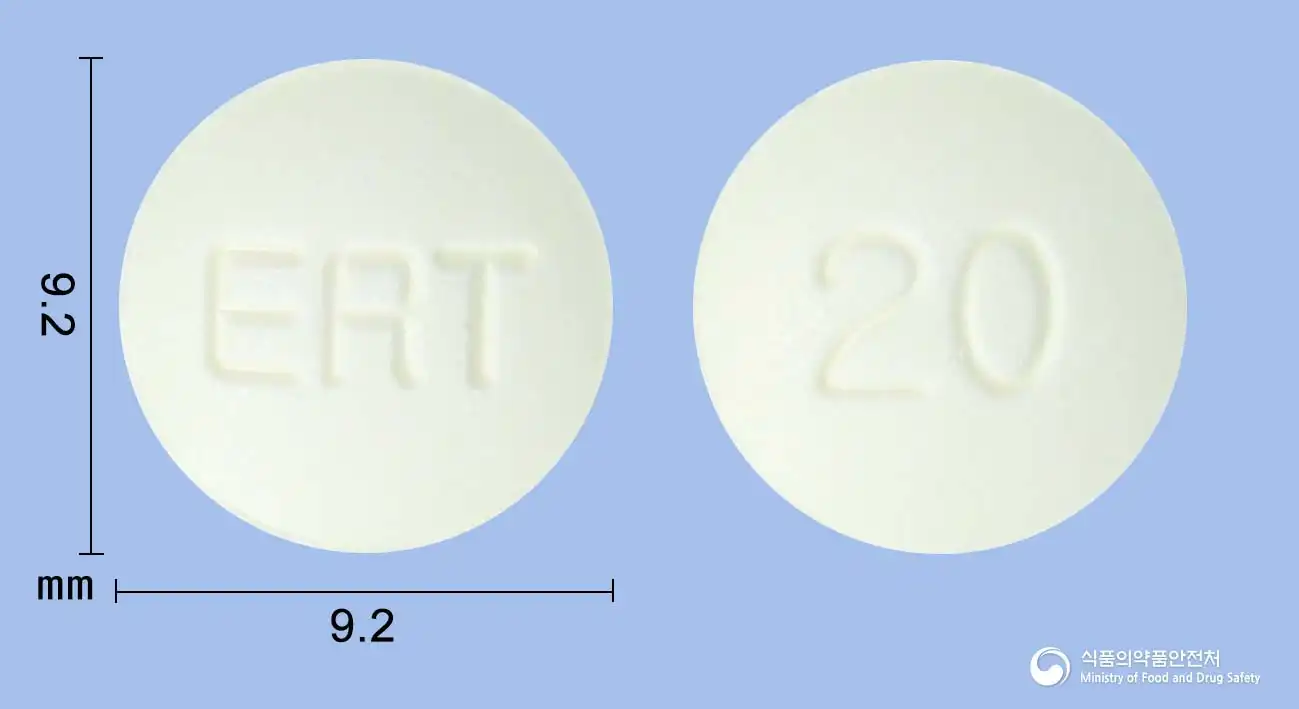
Isosorbide Mononitrate 22.23mg
Tablet · Prescription medication
Hyundai Pharmaceutical Co., Ltd.
Isosorbide Mononitrate 22.23mg
Tablet · Prescription medication
Ildong Pharmaceutical Co., Ltd.
Even with the same ingredient, the dose and directions can differ by strength and dosage form. Talk to a doctor or pharmacist before switching from a medication you are already taking.
No questions yet.
For anything that needs medical judgment, consult a doctor or pharmacist.
This drug information is based on data provided by the Korea Ministry of Food and Drug Safety.
Consult a doctor or pharmacist for accurate dosage, administration, and usage instructions.