
 한국어
 English
 日本語
 中文(简体)
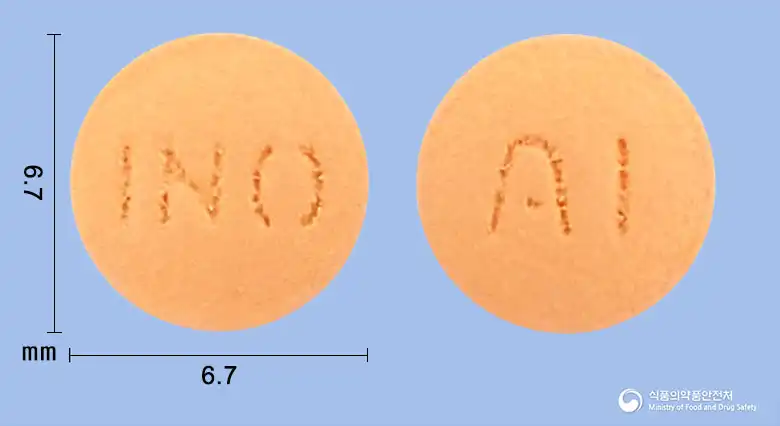 Viewing now
Almal Tablet 10mg (Arotinolol Hydrochloride)
Arotinolol Hydrochloride 10mg
Tablet · Prescription medication
HK Inno.N Co., Ltd.
MFDS item code 198901207 · Notified 1989.08.02 · Insurance code 640002870
Treatment of cardiovascular diseases (e.g., hypertension, angina) and essential tremor
This medication is primarily used to control blood pressure, helping to stabilize blood pressure in patients with essential hypertension, particularly those with mild to moderate hypertension. It is also effective in relieving chest pain in angina patients and is used to manage tachyarrhythmias, which are irregular heartbeats. Additionally, it can help alleviate the symptoms of essential tremor, which is characterized by trembling hands. Therefore, this medication is widely used to improve symptoms of these cardiovascular and neurological disorders.
For essential hypertension (mild to moderate), angina pectoris, and tachyarrhythmia: Adults: Administer arotinolol hydrochloride 10㎎ per dose twice daily orally. If the effect is insufficient, the dose may be increased to 30㎎ per day. Adjust the dose as appropriate according to age and symptoms. For essential tremor: Adults: Start with arotinolol hydrochloride 10mg per day. If the effect is insufficient, administer 20mg per day as the maintenance dose in 2 divided oral doses. The dose may also be adjusted as appropriate according to age and symptoms, but should not exceed 30mg per day.
This medication should not be administered to patients with very slow heart rates or those with issues in the conduction of electrical signals in the heart. Caution is necessary for patients with diabetic ketoacidosis or metabolic acidosis, as heart function may be further compromised. Patients with bronchial asthma or bronchospasm should avoid this medication as it may exacerbate their symptoms. Care should also be taken to avoid administering this drug to patients with severe heart failure due to cardiogenic shock, right heart failure due to pulmonary hypertension, or congestive heart failure. It is safest for women who are pregnant or potentially pregnant to avoid using this medication. Patients with a risk of congestive heart failure should be administered this medication cautiously under medical supervision, with regular checks on heart function. Patients with difficult-to-control diabetes or those who have not been eating properly for an extended period should carefully monitor for glucose level changes. Patients with severely impaired liver or kidney function, peripheral circulation disorders, and the elderly should be particularly careful while using this medication. Skin symptoms similar to psoriasis may occur, and cardiovascular side effects such as reduced heart function, bradycardia, dizziness, and hypotension may also arise, thus regular check-ups are necessary. Psychological symptoms of lethargy, headache, drowsiness, depression, and insomnia may manifest. Gastrointestinal issues may include loose stools, diarrhea, abdominal discomfort, reduced appetite, nausea, and vomiting. There may be an increase in liver function test results, and respiratory issues can arise, such as bronchospasm, wheezing, and coughing. Tear secretion may decrease and vision may become blurry; if any unusual symptoms occur, administration should be stopped. Allergic reactions such as rashes, itching, and burning sensations may appear, necessitating discontinuation of use if these symptoms occur. With prolonged use, regular checks on heart function, blood pressure, and electrocardiograms are necessary, and if symptoms worsen, dosage adjustment or discontinuation may be required. It is advisable not to take this medication within 48 hours prior to surgery, and caution is needed for interactions with other medications. It is best for women who are pregnant or breastfeeding to avoid this medication, and safety in pediatric patients has not been sufficiently established. In the elderly, treatment should start at a low dose and be carefully monitored, watching for significantly lowered blood pressure or slowing heart rate. Sudden discontinuation of this medication may worsen cardiac symptoms, so dosage should be gradually reduced under a doctor's guidance. Dizziness may occur during treatment; therefore, caution is advised when driving or operating hazardous machinery.
Psoriasis or psoriasiform lesions, heart failure, bradycardia, chest pain, chest discomfort, dizziness, orthostatic dysregulation, palpitations, hypotension, shortness of breath, atrial fibrillation, worsening of heart block, peripheral circulation disorders (Raynaud's phenomenon, cold sensation), weakness, fatigue, headache, heaviness in the head, drowsiness, depression, insomnia, loose stools, diarrhea, abdominal discomfort, abdominal pain, loss of appetite, nausea, vomiting, indigestion, abdominal bloating, constipation, elevated ALT, elevated AST, elevated ALP, elevated LDH, bronchospasm, wheezing, cough, decreased tear secretion, blurred vision, fatigue at rest, rash, itching, burning sensation, edema, paralysis, elevated triglycerides, elevated uric acid, elevated BUN, increased cardiothoracic ratio, myalgia, elevated blood sugar levels fasting, elevated total cholesterol, elevated CPK, leukocytosis, thirst, hair loss
Not everyone experiences these, and they can vary from person to person.
This medication should be stored in a sealed container to prevent air and moisture exposure. Doing so helps maintain the medication's effectiveness and prevents deterioration.
Pale orange round film-coated tablet
30 tablets/bottle, 120 tablets/bottle
Even with the same ingredient, strength, dosage form and how it is taken can differ.
Viewing nowArotinolol Hydrochloride 10mg
Tablet · Prescription medication
HK Inno.N Co., Ltd.
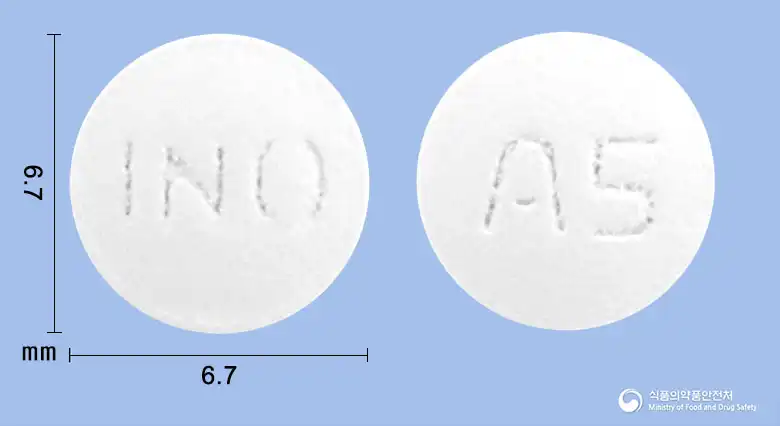
Arotinolol Hydrochloride 5mg
Tablet · Prescription medication
HK Inno.N Co., Ltd.
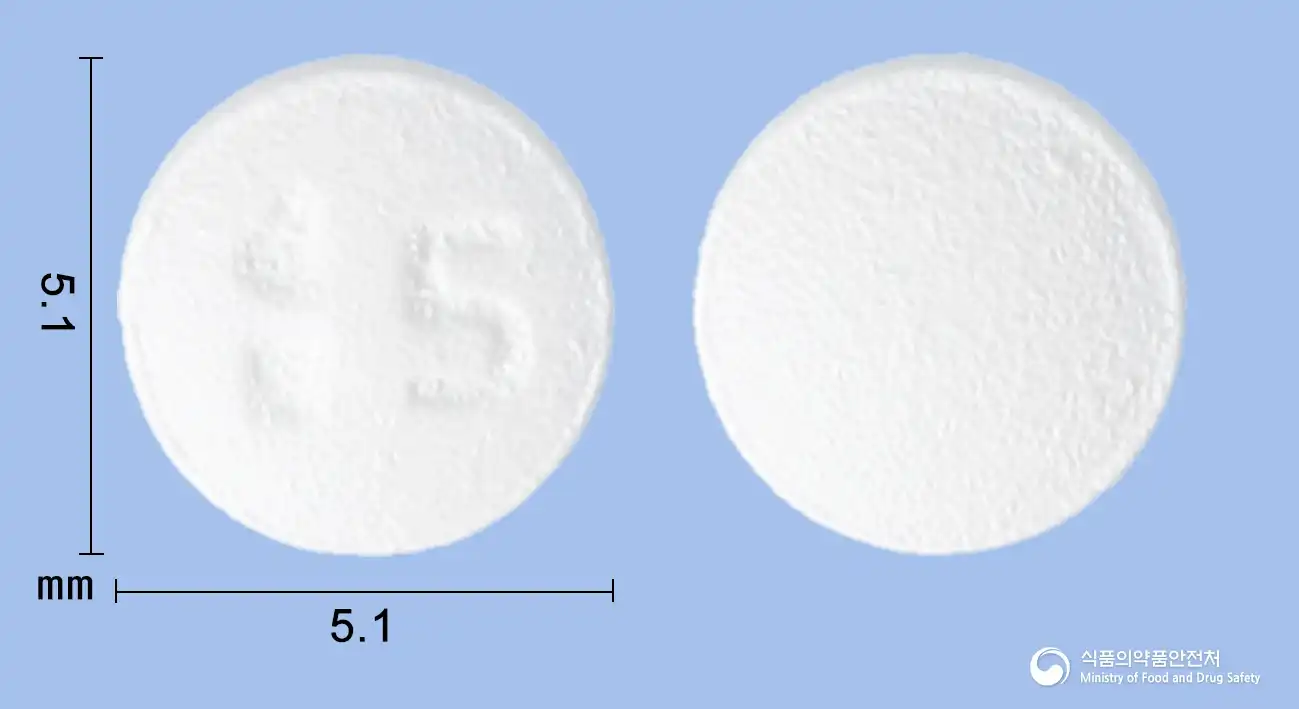
Arotinolol Hydrochloride 5mg
Tablet · Prescription medication
Samil Pharmaceutical Co., Ltd.
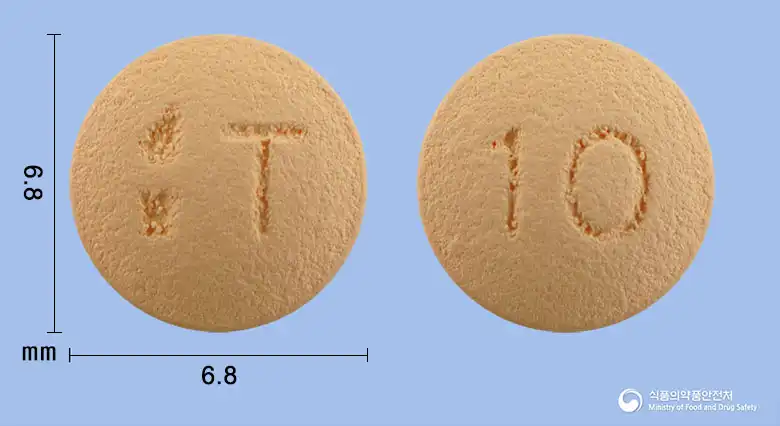
Arotinolol Hydrochloride 10mg
Tablet · Prescription medication
Samil Pharmaceutical Co., Ltd.
Even with the same ingredient, the dose and directions can differ by strength and dosage form. Talk to a doctor or pharmacist before switching from a medication you are already taking.
No questions yet.
For anything that needs medical judgment, consult a doctor or pharmacist.
This drug information is based on data provided by the Korea Ministry of Food and Drug Safety.
Consult a doctor or pharmacist for accurate dosage, administration, and usage instructions.