
 한국어
 English
 日本語
 中文(简体)
 Viewing now
Gromin Capsule 10mg (Clomipramine Hydrochloride)
Clomipramine Hydrochloride 10mg
Hard capsule · Prescription medication
Myungin Pharmaceutical Co., Ltd.
MFDS item code 198900901 · Notified 1989.02.16 · Insurance code 651900060
Psychiatric symptoms (e.g., depression, obsessive-compulsive symptoms), cataplexy associated with narcolepsy, and relief of chronic pain
This medication is used for oral administration in conditions requiring sedation for depression, obsessive states, phobic states, and acute episodes associated with sleep attacks. When administered by injection, it is effective for various forms of depression, such as endogenous, reactive, neurotic, organic, masked, degenerative depression, as well as depression resulting from schizophrenia and personality disorders, depressive symptoms in later life and early adulthood, and depressive symptoms related to chronic pain or chronic physical illnesses. It is also used to improve symptoms in reactive, neurotic, psychotic depressive mood disorders, obsessive disorders, phobias, and chronic pain states.
(Oral: tablets, capsules) 1. Adults: Administer clomipramine hydrochloride 10㎎ orally as the initial daily dose. Gradually increase to 30-150㎎ per day, given in divided doses or as a single dose at bedtime. The maintenance dose is 30-50㎎ per day. 2. Older adults: Administer this drug 10㎎ per day as the initial dose and, with caution, increase to 30-50㎎ per day. A satisfactory clinical response may be obtained with only 1/2 of the adult maintenance dose. Adjust the dose as appropriate according to age and symptoms. (Injection) ○ The dosage and administration should be individually determined according to the patient's condition. As a rule, aim to achieve the optimal effect with the lowest possible dose. In particular, because older adults and adolescents with depression and an unstable autonomic nervous system generally respond more sensitively than middle-aged patients, use the lowest possible dose. 1. Intramuscular injection Adults: Administer clomipramine hydrochloride 25-50㎎ per day intramuscularly as the initial dose. Increase the dose by 25㎎ daily until the patient is receiving 100 -150㎎ per day. When symptoms improve, gradually reduce the number of injections and switch to an oral formulation for the maintenance dose. 2. Intravenous drip infusion Adults: As the initial dose, administer this drug 50-75㎎ once daily, diluted in 250-500㎖ of physiological saline injection or dextrose injection and thoroughly mixed, by infusion over 1.5-3 hours. ○ Intravenous drip infusion is preferably given in the morning to address depressive symptoms that occur during the day. Outpatients should be closely monitored after completion of the drip infusion. Marked improvement in symptoms is usually seen within the first week of treatment, but intravenous drip infusion should be continued for an additional 3-5 days. To maintain the effect, continued treatment should be switched to an oral formulation; generally, 50㎎ of oral tablets has an effect equivalent to 25㎎ of the injection. Intramuscular injection may be effective as an intermediate step when gradually switching from intravenous drip infusion therapy to oral maintenance therapy. Adjust the dose as appropriate according to age and symptoms.
This medication may increase the risk of suicidal thoughts or behaviors in children, adolescents, and young adults with major depression or psychiatric disorders, so a physician should carefully consider whether to prescribe it. This medication can be dangerous when taken with certain drugs, especially MAO inhibitors, selective serotonin reuptake inhibitors (SSRIs), serotonin-norepinephrine reuptake inhibitors (SNRIs), and should not be co-administered. Patients with heart disease, glaucoma, impaired liver and kidney function, thyroid dysfunction, or adrenal medullary tumors should use this medication cautiously and must consult a physician before use. During the use of this medication, various side effects such as drowsiness, dizziness, dry mouth, constipation, and visual disturbances may occur; if symptoms worsen, consult a physician immediately. Particularly in the early stages of treatment, psychological changes such as anxiety, restlessness, aggression, and suicidal thoughts may occur, so it is important for family members or caregivers to closely monitor the patient's condition. Pregnant or breastfeeding women should consult their physician before taking this medication, as it may affect the fetus or newborn, warranting caution. This medication is not recommended for children and adolescents due to lack of established safety and efficacy, and elderly patients should be cautious due to reduced drug metabolism, increasing the risk of side effects. In case of overdose, serious cardiac issues or neurological abnormalities may occur, requiring immediate hospital treatment; do not stop taking the medication arbitrarily but gradually reduce the dose as directed by a physician. Finally, keep this medication out of reach of children and be careful not to transfer it to other containers.
Shock, motor paralysis, severe muscle stiffness, dysphagia, tachycardia, changes in blood pressure, sweating, fever, leukocytosis, elevated serum CPK, acute kidney function decline accompanied by myoglobinuria, high fever, loss of consciousness, difficulty breathing, circulatory collapse, symptoms of dehydration, acute renal failure, increased suicidal tendency, drowsiness, fatigue, euphoric state, increased appetite, dizziness, tremors, Parkinson's syndrome, headache, tonic-clonic seizure, confusion, sensory loss in the affected area, hallucinations, anxiety, bi-monthly, sleep disturbances, mania, hypomania, aggression, memory impairment, depersonalization, worsening of depression, concentration difficulties, insomnia, nightmares, yawning, nonsensical speech, mental confusion, speech disorders, paralysis, muscle weakness, muscle hypertonia, activation of psychotic symptoms, seizures, ataxia, epileptic seizures, EEG changes, unusual high fever, lethargy, polydipsia, sweating, constipation, visual field disturbances, visual impairments, urinary disorders, flushing, pupillary dilation, elevated intraocular pressure, iris adjustment disorders, glaucoma, rash, photosensitivity, allergic alveolitis, hypotension, sinus tachycardia, palpitations, orthostatic hypotension, heart block, ECG changes, arrhythmia, elevated blood pressure, electrocardiogram abnormalities, purpura, leukopenia, thrombocytopenia, eosinophilia, agranulocytosis, jaundice, hepatitis, increased transaminase, intestinal paralysis, loss of appetite, nausea, vomiting, significant constipation, abdominal distension, relaxation, intestinal obstruction, diarrhea, dysgeusia, hyponatremia, hypo-osmolarity, increased urinary sodium excretion, nocturia, syndrome of inappropriate antidiuretic hormone secretion, increased prolactin secretion, weight gain, sexual desire and sexual function disorders, urinary incontinence, breast enlargement, involuntary movements around the mouth, tinnitus, fractures, nausea, abdominal pain, insomnia, neuropathic hypersensitivity, anxiety, drowsiness, sensory dissociation, coma, ataxia, rebound hyperactivity, chorea, hypotension, arrhythmia, heart failure, cardiac arrest, respiratory depression, cyanosis, frequent urination, anuria
Not everyone experiences these, and they can vary from person to person.
Store this medication in a sealed container to prevent air from entering, and it is best to keep it at room temperature between 1 to 30 degrees Celsius. Proper storage will help maintain the medication's effectiveness for a longer period.
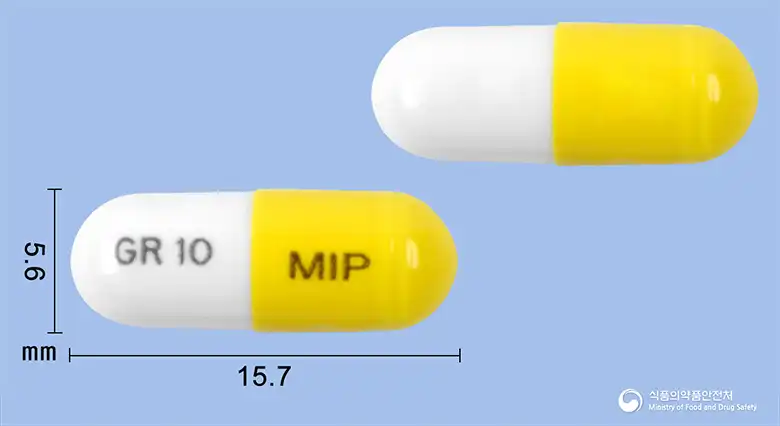
Hard capsule filled with white to pale yellow powder; yellow on top and white on the bottom
200 capsules/bottle
Even with the same ingredient, strength, dosage form and how it is taken can differ.
Viewing nowClomipramine Hydrochloride 10mg
Hard capsule · Prescription medication
Myungin Pharmaceutical Co., Ltd.
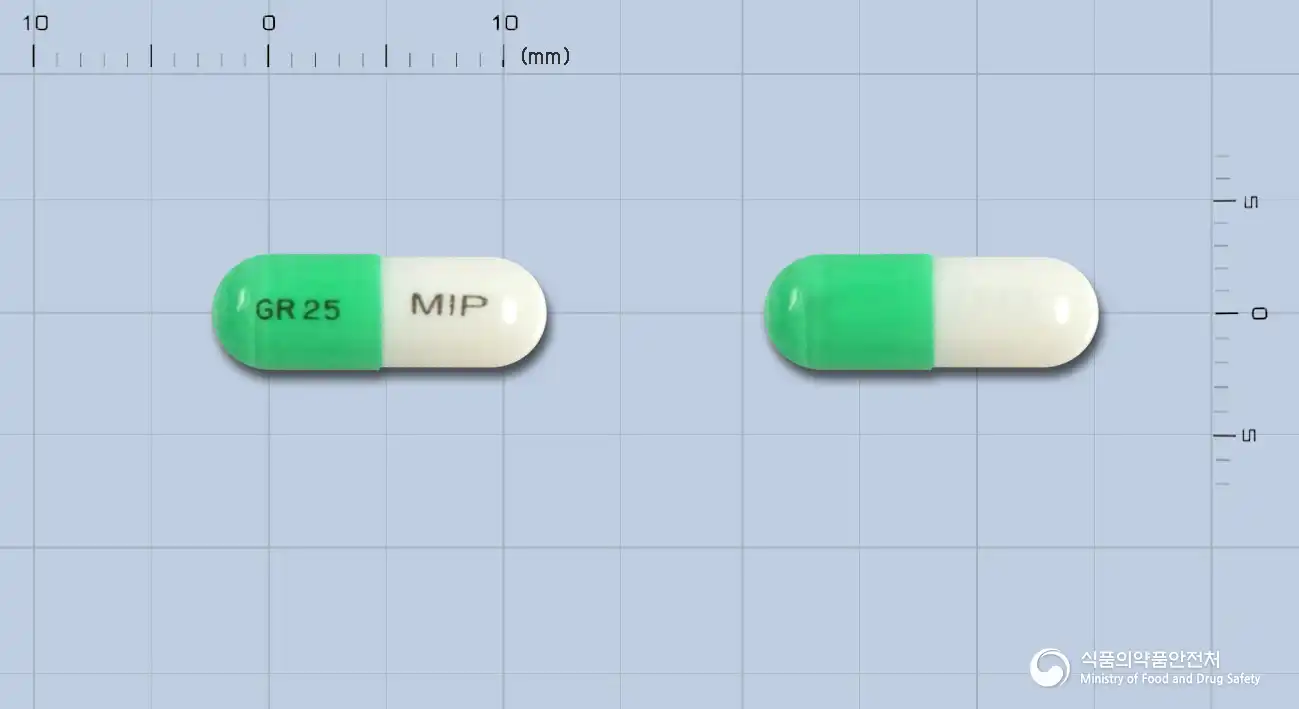
Clomipramine Hydrochloride 25mg
Hard capsule · Prescription medication
Myungin Pharmaceutical Co., Ltd.
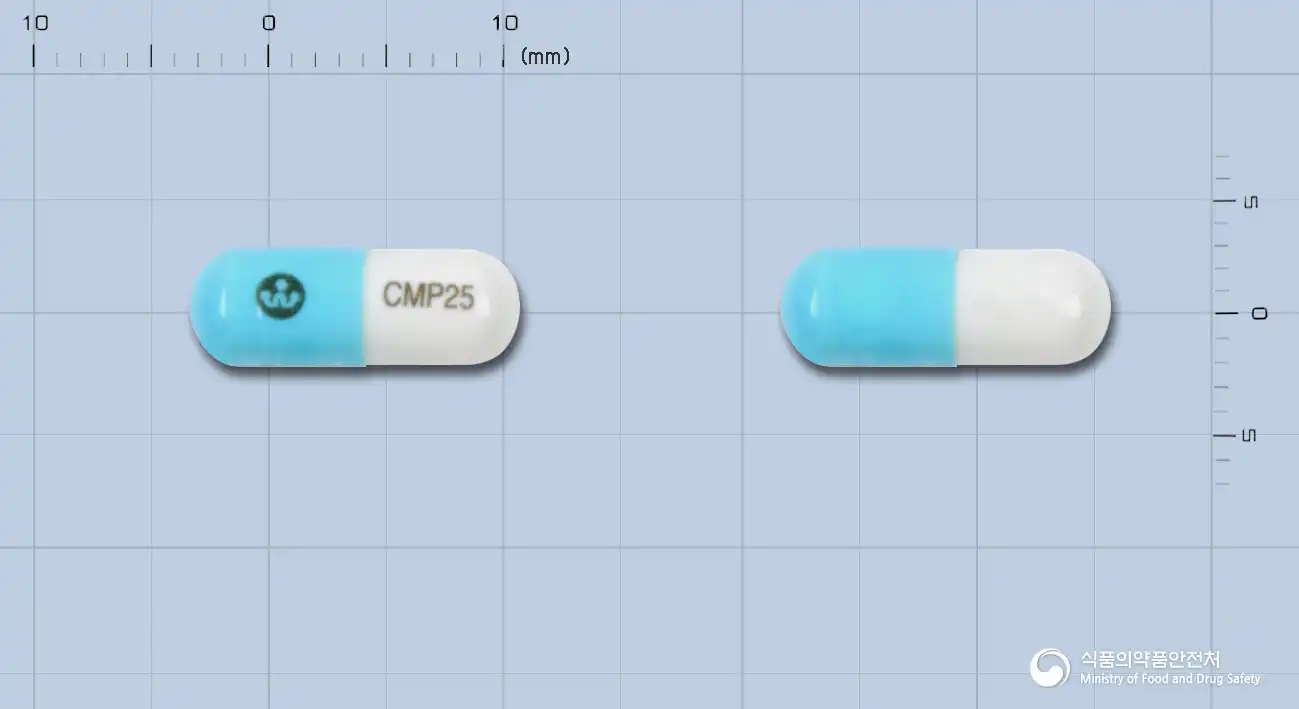
Clomipramine Hydrochloride 25mg
Hard capsule · Prescription medication
Hanin Pharmaceutical Co., Ltd.
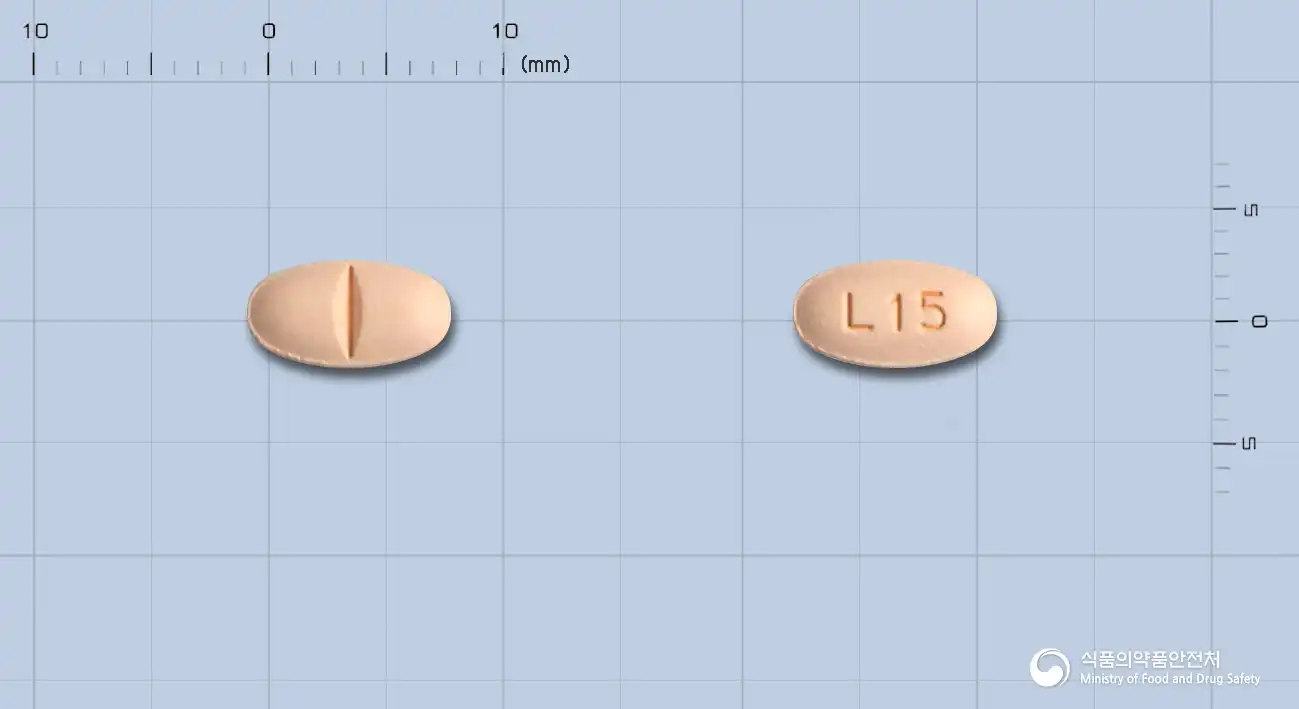
Clomipramine Hydrochloride 15mg
Tablet · Prescription medication
Jinyang Pharmaceutical Co., Ltd.
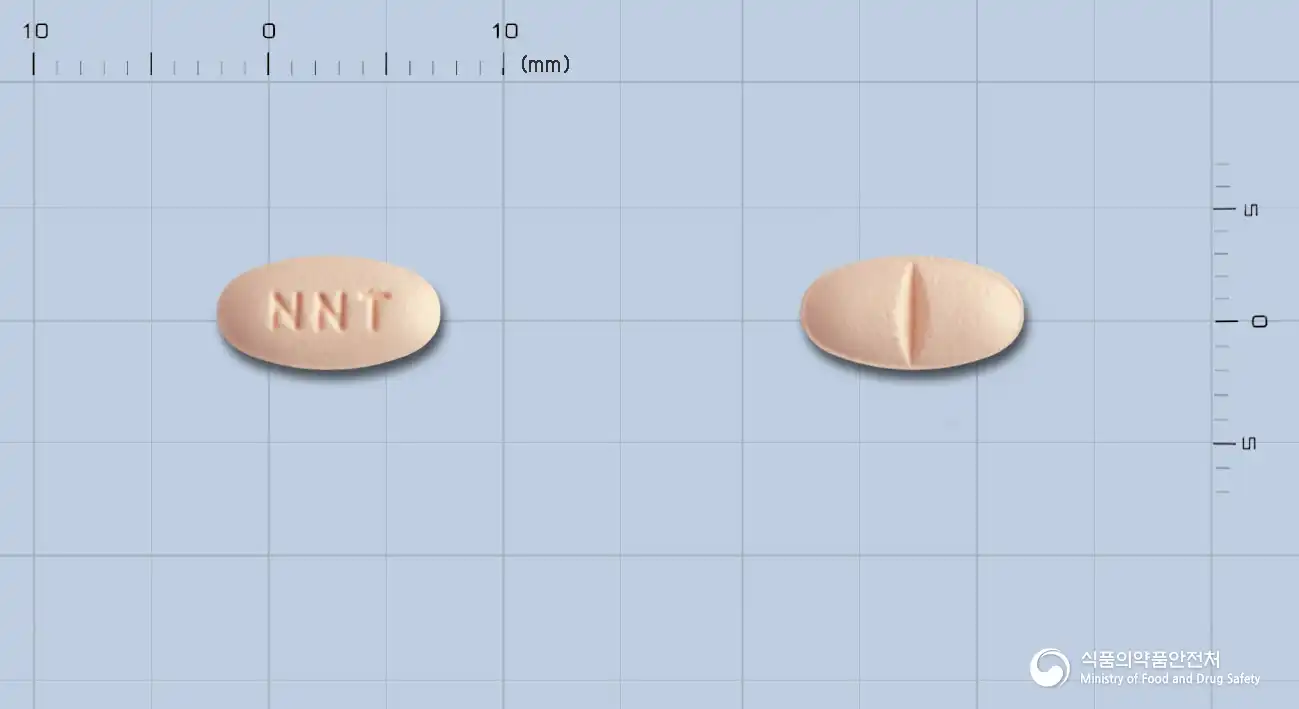
Clomipramine Hydrochloride 15mg
Tablet · Prescription medication
Huons Co., Ltd.
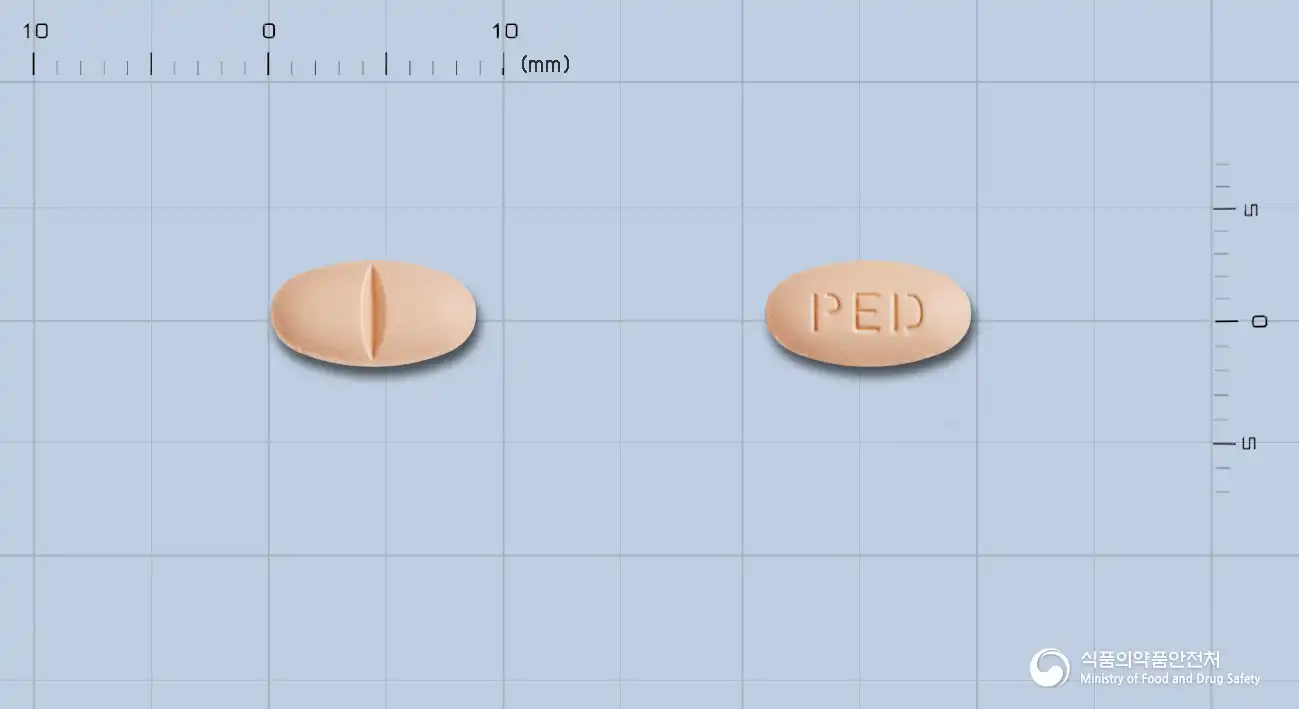
Clomipramine Hydrochloride 15mg
Tablet · Prescription medication
CTC Bio, Co., Ltd.
Even with the same ingredient, the dose and directions can differ by strength and dosage form. Talk to a doctor or pharmacist before switching from a medication you are already taking.
No questions yet.
For anything that needs medical judgment, consult a doctor or pharmacist.
This drug information is based on data provided by the Korea Ministry of Food and Drug Safety.
Consult a doctor or pharmacist for accurate dosage, administration, and usage instructions.