
 한국어
 English
 日本語
 中文(简体)
Dosage form image
Viewing nowDifen Injection (Diclofenac Sodium)
Diclofenac Sodium 37.5mg
Prescription medication
Dongkwang Pharmaceutical Co., Ltd.
MFDS item code 198900189 · Notified 1989.02.17 · Insurance code 645901111
Relief of musculoskeletal disorders (e.g., arthritis and gout), inflammation and pain, and renal and biliary colic
This medicine is mainly used for the treatment of rheumatoid arthritis, osteoarthritis (degenerative joint disease), and ankylosing spondylitis. It is also effective for inflammation and pain occurring after surgery or trauma, acute gout, non-articular rheumatism, low back pain, toothache, dysmenorrhea, inflammation and pain in the ENT region, and periarthritis of the shoulder. Injection formulations may help with renal and hepatic colic. This medication is available in various forms and is used to relieve a variety of diseases and symptoms. Overall, it is used to improve symptoms related to joint and inflammatory diseases and relieve pain.
(Oral) Adults: The initial dose is 100-150mg of diclofenac sodium daily. For mild cases or long-term treatment, administer 75-100mg daily orally in 2-3 divided doses. (Injection) Adults: Inject 75mg (1 ampoule) of diclofenac sodium once daily deep into the upper outer quadrant of one buttock. In severe cases, 75mg (1 ampoule) may be administered twice daily; in this case, inject alternately into each buttock. After the initial phase of treatment, switch to tablets or suppositories. Adjust the dose appropriately according to age, disease, and symptoms. (Extended-release formulation) Adults: Administer 100mg of diclofenac sodium orally once daily. If symptoms are severe at night or in the morning, it is preferable to take the dose in the evening. Do not divide or chew this medication. To minimize cardiovascular adverse reactions associated with this medication, use the lowest effective dose for the shortest possible duration.
Children: Administer 0.5-3mg/kg of body weight daily orally in 2-3 divided doses.
This medication may cause gastrointestinal bleeding in individuals who regularly consume more than three alcoholic beverages per day, so consultation with a doctor or pharmacist is essential. This medication may affect the cardiovascular system and increase the risk of serious cardiovascular diseases such as myocardial infarction or stroke. Patients with cardiovascular diseases or risk factors need to be especially cautious and consult medical personnel immediately if symptoms occur. This medication can cause serious gastrointestinal adverse reactions such as gastrointestinal bleeding, ulcers, and perforation; therefore, it should be used with caution, especially in the elderly or patients with a history of gastrointestinal diseases. Severe allergic reactions may occur due to hypersensitivity, which could manifest as chest pain, so caution is warranted. The ampoule injection of this medication carries a risk of glass fragment contamination, so caution should be exercised during use, especially when administered to children or the elderly. Patients with a history of peptic ulcers, severe liver or kidney impairment, severe hypertension, heart failure, or who are allergic to any component of this medication should not use it. Patients with a history of peptic ulcers, liver or kidney function abnormalities, hypertension, heart failure, or asthma should use this medication cautiously and consult healthcare professionals immediately in case of adverse reactions. This medication may cause various adverse reactions, including but not limited to shock, gastrointestinal bleeding, blood disorders, rashes, liver or kidney impairment, and neurological disturbances. Symptoms should be reported immediately, and the medication should be discontinued. Long-term use necessitates regular blood tests, liver, and kidney function tests to check for abnormalities, and the duration of treatment and dosage should be limited to the shortest and minimal effective amount possible. The risk of adverse effects increases when used together with other non-steroidal anti-inflammatory drugs, so concurrent use should be avoided. There may also be interactions with specific medications, so patients should inform their healthcare providers about any other medications they are taking. During pregnancy, especially in the later stages, this medication may pose risks to the fetus, so it should be avoided. In breastfeeding mothers, it may cause adverse reactions in infants, and consideration should be given to stopping breastfeeding or the medication. Children and the elderly may have diminished temperature control capabilities, so greater caution should be exercised regarding adverse reactions when using this medication. In cases of overdose, symptoms may include hypotension, renal failure, seizures, and respiratory depression, and immediate emergency treatment should be sought if suspected.
Not everyone experiences these, and they can vary from person to person.
This medication can be susceptible to light; therefore, it should be stored in sealed containers that block light exposure. This will help maintain the efficacy of the medication for an extended period.
A brown ampoule containing a colorless clear liquid
50 ampoules [(2ml/ampoule) X 50]
Even with the same ingredient, strength, dosage form and how it is taken can differ.
Diclofenac Sodium 37.5mg
Prescription medication
Dongkwang Pharmaceutical Co., Ltd.

Diclofenac Sodium 25mg
Tablet · Prescription medication
Dongkwang Pharmaceutical Co., Ltd.
Diclofenac Sodium 75mg
Prescription medication
Ajou Pharmaceuticals Co., Ltd.
Diclofenac Sodium 37.5mg
Prescription medication
Hwanin Pharmaceutical Co., Ltd.
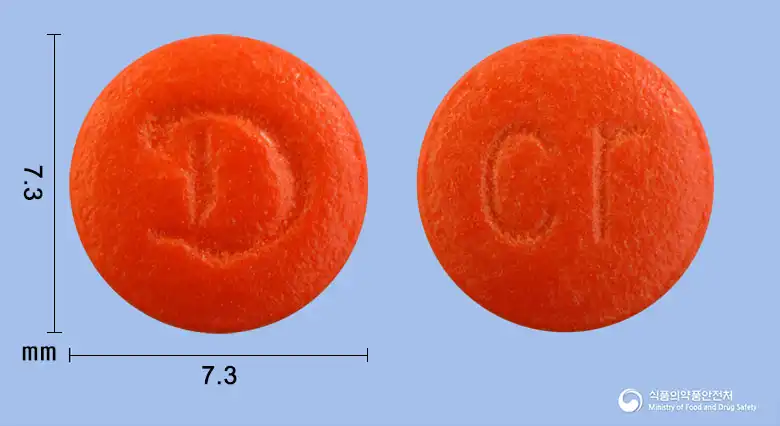
Diclofenac Sodium 25mg
Tablet · Prescription medication
GL Pharma Co., Ltd.
Diclofenac Sodium 75mg
Solution · Prescription medication
YuYoung Pharmaceutical Co., Ltd.
Diclofenac Sodium 37.5mg
Prescription medication
Daehwa Pharmaceutical Co., Ltd.
Diclofenac Sodium 25mg
Prescription medication
Medica Korea Co., Ltd.
Even with the same ingredient, the dose and directions can differ by strength and dosage form. Talk to a doctor or pharmacist before switching from a medication you are already taking.
No questions yet.
For anything that needs medical judgment, consult a doctor or pharmacist.
This drug information is based on data provided by the Korea Ministry of Food and Drug Safety.
Consult a doctor or pharmacist for accurate dosage, administration, and usage instructions.