
 한국어
한국어 English
 日本語
日本語 中文(简体)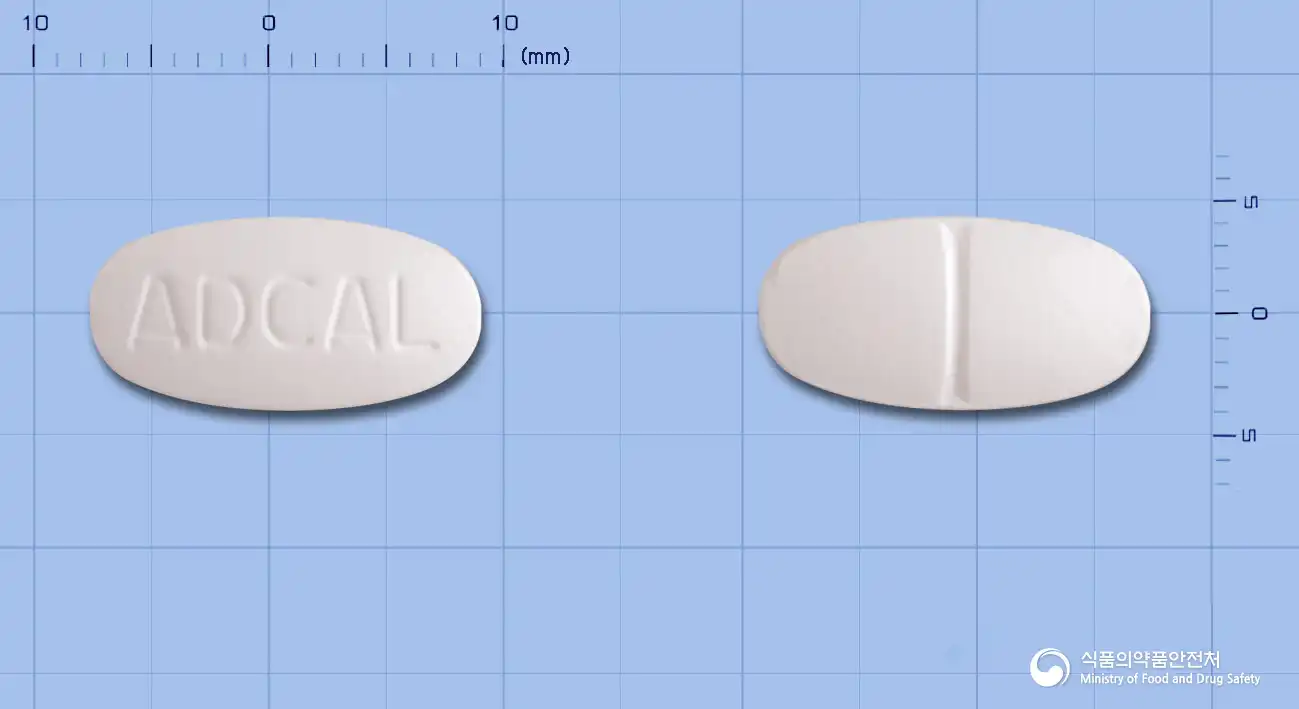
Summary
- Main use
- Improvement of calcium deficiency and prevention of bone (growth disorder, rickets)
- Who takes it
- Adults
- Adult dose
- Generally, take 2 tablets right after dinner. If insufficient, take 1 tablet right after breakfast and lunch. Do not exceed 4 tablets a day.
Ingredients
- Calcium Lactate Hydrate271.8mg / 1 tablet
- Calcium Gluconate Hydrate240mg / 1 tablet
- Precipitated Calcium Carbonate240mg / 1 tablet
- Dried Ergocalciferol0.118mg / 1 tablet
- Manufacturer
- (주)종근당
Efficacy & effects
Improvement of calcium deficiency and prevention of bone (growth disorder, rickets)
- Calcium deficiency
- poor bone development
- poor dental development
- rickets
View approved original textHide original text
This medication is used in cases of calcium deficiency or when calcium supplementation is necessary. It is also suitable during periods when vitamin D supplementation is important, such as during pregnancy, lactation, growth periods, and old age. The vitamin D contained in this drug helps improve poor development of bones and teeth and prevent rickets. In other words, it is used to maintain bone health and support growth and development through the supply of calcium and vitamin D.
How to take
Adult dose
Generally, take 2 tablets right after dinner. If insufficient, take 1 tablet right after breakfast and lunch. Do not exceed 4 tablets a day.
Precautions
This medication should not be taken by individuals with excessive calcium in the blood, unknown systemic inflammatory diseases, or kidney-related conditions. Additionally, individuals who have had allergic reactions to this medication or its components, infants under 12 months of age, patients with kidney stones, and those with severe renal insufficiency should avoid taking this medication. During the use of this medication, it is recommended not to take phosphates, calcium salts, oral tetracycline antibiotics, and antacids together. Women who are receiving treatment, pregnant or possibly pregnant, lactating, premature infants, young babies, individuals with heart and circulatory diseases, those with kidney function problems, patients with low protein levels, those taking cardiac glycosides, and individuals with a history of kidney stones should consult a doctor or pharmacist before taking this medication. This medication contains a coloring agent called Yellow No. 5, so those allergic to this component should use with caution. If nausea, vomiting, diarrhea, constipation, low blood pressure, flushing of the face, irregular heartbeat, or skin rashes occur while taking this medication, you should immediately stop taking it and consult a specialist. Additionally, overdose may lead to gastrointestinal disorders, abnormal sodium levels, heart failure, edema, etc., and long-term use may increase the risk of high blood calcium levels or stone formation, so caution is required. In particular, caution should be taken as taking it with certain diuretics may increase blood potassium levels. If you have taken the medication incorrectly or the symptoms do not improve after taking it for more than a month, be sure to consult a specialist. Always follow the prescribed dosage and avoid drinking tannin-containing teas such as green tea or black tea before and after taking medication. This medication should be stored out of reach of children, protected from direct sunlight, and kept in a cool, dry place in a sealed container. Additionally, to maintain the quality of the medication, it is important not to transfer it to another container.
Side effects and when to seek care immediately
Mild side effects
- Nausea
- vomiting
- diarrhea
- constipation
- low blood pressure
- flushing
- irregular heartbeat
- skin rash
- hypernatremia
- congestive heart failure
Show 4 moreCollapse
- edema (swelling)
- hypercalcemia
- stone disease
- hyperkalemia
Not everyone experiences these, and they can vary from person to person.
Interactions
Drug interactions
This medication should not be taken with phosphates, calcium salts, oral tetracycline preparations, or antacids. Additionally, if used with vitamin D, cardiac glycosides, aldosterone antagonists, or triamterene, consult a doctor or pharmacist.
Food interactions
This medication should be avoided with tannin-containing teas such as green tea and black tea during or before and after taking the medication.
Storage
This medication should be stored in a sealed container to prevent air or moisture from entering. It is advisable to store it at room temperature, avoiding excessively hot or cold places.
Appearance and packaging
Appearance
This medication is a pinkish white, oblong film-coated tablet.
Package unit
30 tablets/bottle, 120 tablets/bottle, 500 tablets/bottle
Questions about this medicine
No questions yet.
For anything that needs medical judgment, consult a doctor or pharmacist.