
 한국어
 English
 日本語
 中文(简体)
Dosage form image
Viewing nowPasozil 300 mg (Tinidazole)
Tinidazole 300mg
Tablet · Prescription medication
Youngpoong Pharmaceutical Co., Ltd.
MFDS item code 198802355 · Notified 1988.04.25
This product's status changed to Approval withdrawn on 2024.03.27. It may no longer be sold, so consult a doctor or pharmacist before taking it.
Treatment of protozoal infections (trichomoniasis, amebiasis, etc.), anaerobic bacterial infections, and nonspecific vaginitis
This medication is primarily used to treat infectious diseases such as trichomoniasis, anaerobic bacterial infections, amebiasis, giardiasis, and non-specific vaginitis.
1. Trichomoniasis and giardiasis Adults: Administer 2 g of tinidazole orally as a single dose, or administer 150 mg per dose 3 times daily for 5 days or 150 mg per dose twice daily for 7 days. 2. Anaerobic infections Adults: Usually, administer 2 g of this medicine orally as a single dose on the first day, followed by 1 g once daily from the next day, or administer 500 mg per dose twice daily. Prevention of postoperative infections: Administer 2 g orally as a single dose 12 hours before surgery. Acute ulcerative gingivitis: Administer 2 g orally as a single dose. 3. Amebiasis Adults: Administer 2 g of this medicine orally once daily for 2–3 days. 4. Nonspecific vaginitis Adults: Usually, administer 2 g of this medicine orally once daily for 1–2 days. * Adjust the dose as appropriate according to age and symptoms. * Take with food.
Trichomoniasis and giardiasis: Administer 50–75 mg/kg as a single dose. Amebiasis: Administer 50–60 mg/kg once daily for 3 days.
This drug should not be used in certain patients. For example, individuals with allergies to this drug or similar medications, those with blood disorders or a history of blood disorders, those with neurological problems, and pregnant or breastfeeding women may be at risk if they take this drug. Additionally, this medication contains lactose, so individuals with hereditary conditions that cause lactose intolerance should not take it. Patients with severely impaired liver function should be cautious, as the drug may remain in the body for a long time and cause side effects. Patients with a fungal infection known as candidiasis may experience worsening symptoms if they take this drug, so it should be used carefully alongside antifungal medications. While taking this drug, gastrointestinal symptoms such as nausea, vomiting, loss of appetite, diarrhea, metallic taste in the mouth, and oral thrush may occur. Allergic reactions such as skin rash, itching, and angioedema may also occur. Blood-related symptoms such as joint swelling or temporary leukopenia may appear. In women, candidiasis may develop while taking this medication, so caution is warranted. Headaches, dizziness, fatigue, dry mouth, and dark urine may also be experienced. During treatment with this drug, alcohol consumption can cause severe reactions such as nausea, vomiting, headaches, and dizziness, so it is recommended to avoid alcohol during treatment and for three days after. Moreover, this drug can affect the nervous system, and if symptoms such as dizziness or movement disorders occur, the medication should be discontinued immediately. This drug may interact with other medications, particularly enhancing the effects of anticoagulants and increasing the risk of bleeding, so caution is needed. Drug concentrations may also change when used with lithium, anticonvulsants, immunosuppressants, and antineoplastic agents, so consulting a healthcare professional is essential. It is safe not to use this medication early in pregnancy, and it should only be used in the second trimester if the benefits exceed the risks. In the case of breastfeeding, the drug can pass into breast milk, so breastfeeding should be suspended during treatment. For children, the safety and efficacy of this medication have not been sufficiently confirmed in those under three years old, so use should be cautious. In the event of overdose, there is no specific antidote; therefore, seek emergency care for procedures such as stomach washing immediately.
Not everyone experiences these, and they can vary from person to person.
This medication may be sensitive to air and moisture, so it should be stored in a sealed container. It is best kept at normal room temperature, not too hot or too cold.
White oval film-coated tablet
100 tablets/bottle - 100 tablets/bottle, 500 tablets/bottle - 500 tablets/bottle
Even with the same ingredient, strength, dosage form and how it is taken can differ.
Tinidazole 300mg
Tablet · Prescription medication
Youngpoong Pharmaceutical Co., Ltd.
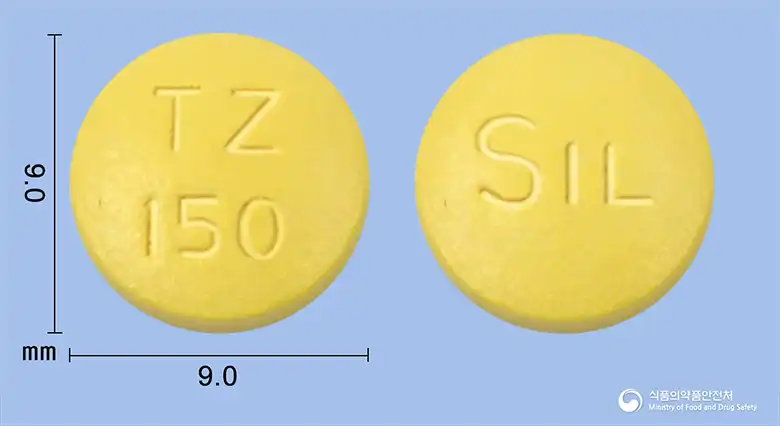
Tinidazole 150mg
Tablet · Prescription medication
Sinil Pharmaceutical Co., Ltd.

Tinidazole 500mg
Tablet · Prescription medication
Sinil Pharmaceutical Co., Ltd.
Tinidazole
Prescription medication
HanKong Chorus Co., Ltd.
Tinidazole
Prescription medication
Austin Pharmaceutical Co., Ltd.
Even with the same ingredient, the dose and directions can differ by strength and dosage form. Talk to a doctor or pharmacist before switching from a medication you are already taking.
No questions yet.
For anything that needs medical judgment, consult a doctor or pharmacist.
This drug information is based on data provided by the Korea Ministry of Food and Drug Safety.
Consult a doctor or pharmacist for accurate dosage, administration, and usage instructions.