
 한국어
 English
 日本語
 中文(简体)
Dosage form image
Viewing nowRethilon Injection (Diclofenac Sodium)
Diclofenac Sodium 37.5mg
Prescription medication
Daehwa Pharmaceutical Co., Ltd.
MFDS item code 198801647 · Notified 1988.08.22 · Insurance code 645600801
Relief of inflammation and pain after surgery or trauma, joint disorders (e.g., rheumatism), and renal or hepatic colic
This medication is used to treat inflammation and pain caused by rheumatoid arthritis, osteoarthritis and other degenerative joint diseases, ankylosing spondylitis, post-surgical and post-traumatic inflammation and pain, acute gout, and pain around the kidneys and liver.
(Oral) Adults: The initial dose, as diclofenac sodium, is 100-150mg per day. In less severe cases or for long-term treatment, administer 75-100mg per day orally in 2-3 divided doses. (Injection) Adults: Administer 75mg (1 ampoule) of diclofenac sodium once daily by deep intramuscular injection into one upper outer quadrant of the buttock. In severe cases, 75mg (1 ampoule) may be administered twice daily; in this case, inject alternately into each buttock. After the initial treatment period, switch to tablets or suppositories. Adjust the dose appropriately according to age, disease, and symptoms. (Extended-release formulation) Adults: Administer 100mg of diclofenac sodium orally once daily. If symptoms are worse at night or in the morning, it is preferable to take the dose in the evening. Do not divide or chew this medicine. To minimize cardiovascular adverse reactions, use the lowest effective dose for the shortest possible duration.
Children: Administer 0.5-3mg/kg of body weight per day orally in 2-3 divided doses. Adjust the dose appropriately according to age, disease, and symptoms.
This medication may increase the risk of gastric bleeding in individuals who regularly consume more than three glasses of alcohol daily, so consultation with a doctor or pharmacist is essential. This medication can cause cardiovascular problems; therefore, those with cardiovascular diseases or risk factors must be particularly cautious. If any cardiovascular symptoms occur while using this medication, immediate consultation with medical personnel is required. There is a risk of ulcers or bleeding in the stomach, so individuals with a history of gastrointestinal illness or the elderly should be particularly cautious. If symptoms of gastrointestinal bleeding occur during treatment, immediate medical treatment is necessary. This medication may cause severe chest pain as an allergic reaction, so those with a history of similar allergic reactions to medications should not take it. When using ampoule injections, care must be taken to avoid glass fragments, especially in children or the elderly, who require more caution. Individuals with peptic ulcers, severe blood disorders, markedly impaired liver or kidney function, severe hypertension or heart failure, and those allergic to any of the ingredients of this medication should not take it. Individuals who have previously experienced allergic reactions such as asthma or hives from this medication or similar drugs should also refrain from using it. While taking this medication, blood pressure, liver, and kidney function should be monitored regularly, and if abnormal symptoms arise, use should be halted immediately, and medical personnel should be consulted. It is advisable to avoid using this medication during pregnancy, especially in the later stages, as it may pose risks to the fetus. During breastfeeding, caution is needed as this medication can pass into breast milk and affect the baby. Children and the elderly should use the minimum dose cautiously, informing medical personnel of any adverse reactions that occur. Taking this medication with other nonsteroidal anti-inflammatory drugs may increase the risk of side effects, so co-administration should be avoided. Additionally, there may be interactions with specific medications, so if any other medications are being taken, medical personnel must be informed. In cases of overdose, symptoms such as hypotension, acute kidney failure, seizures, gastrointestinal disorders, or respiratory depression may occur, so if an overdose is suspected, immediate emergency treatment should be sought.
Gastrointestinal bleeding, serious cardiovascular thrombotic reactions, myocardial infarction, stroke, bleeding from the stomach or intestines, ulcers, perforation, shock symptoms (mimicking pain, coldness, shortness of breath, numbness of limbs, low blood pressure, edema, rash, itching), peptic ulcer, esophageal ulcer, agranulocytosis, decreased hemoglobin, leukopenia, thrombocytopenia, anemia, aplastic anemia, hemolytic anemia, tendency to bleed, purpura, allergic purpura, Stevens-Johnson syndrome, Lyell syndrome, photosensitivity, erythema, itching, eczema, dermatitis, angioedema, erythema multiforme, flushing, exudative dermatitis, hepatitis, jaundice, liver dysfunction, elevation of GOT and GPT, acute renal failure, oliguria, hematuria, urinary protein, BUN, elevated serum creatinine, hyperkalemia, asthma attack, rash, urticaria, aseptic meningitis, headache, nausea, vomiting, insomnia, stiffness of the neck, fever, altered consciousness, depression, irritability, anxiety, diplopia, drowsiness, dizziness, neuroexcitation, paralysis, confusion, hallucinations, seizures, blurred vision, tinnitus, transient pain, dryness, superficial keratitis, elevated blood pressure, lowered blood pressure, palpitations, tachycardia, congestive heart failure, ventricular extrasystole, myocardial infarction, Kounis syndrome, nasal bleeding, asthma, pharyngeal edema, interstitial pneumonia, frequent urination, nocturia, erectile dysfunction, vaginal bleeding, edema, generalized malaise, sweating, DRESS syndrome
Not everyone experiences these, and they can vary from person to person.
This medication is sensitive to light and should be stored in a container that prevents light exposure. Additionally, it should be stored at room temperature, away from extreme heat or cold.
Brown ampoules containing a colorless transparent liquid
50 ampoules (2mL/ampoule x 50)
Even with the same ingredient, strength, dosage form and how it is taken can differ.
Diclofenac Sodium 37.5mg
Prescription medication
Daehwa Pharmaceutical Co., Ltd.
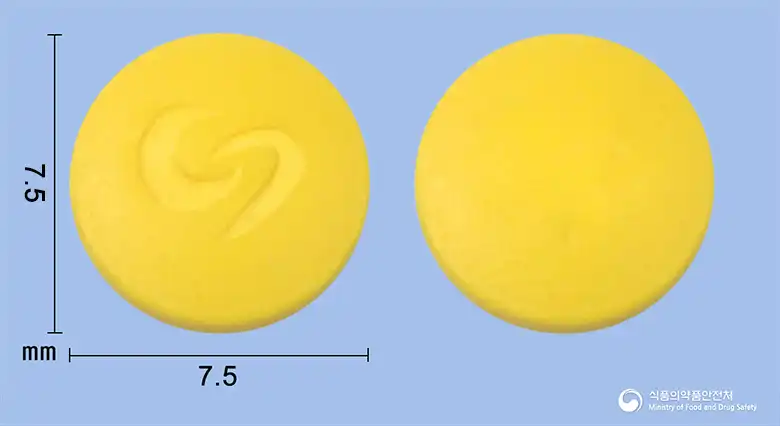
Diclofenac Sodium 25mg
Tablet · Prescription medication
Dongkwang Pharmaceutical Co., Ltd.
Diclofenac Sodium 75mg
Prescription medication
Ajou Pharmaceuticals Co., Ltd.
Diclofenac Sodium 37.5mg
Prescription medication
Hwanin Pharmaceutical Co., Ltd.
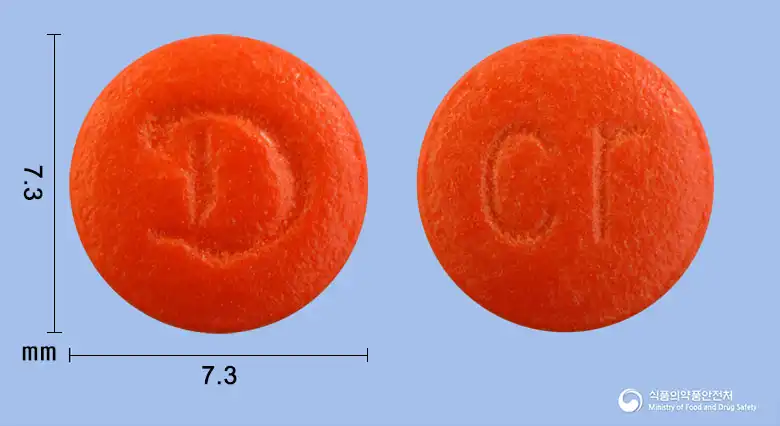
Diclofenac Sodium 25mg
Tablet · Prescription medication
GL Pharma Co., Ltd.
Diclofenac Sodium 75mg
Solution · Prescription medication
YuYoung Pharmaceutical Co., Ltd.
Diclofenac Sodium 37.5mg
Prescription medication
Dongkwang Pharmaceutical Co., Ltd.
Diclofenac Sodium 25mg
Prescription medication
Medica Korea Co., Ltd.
Even with the same ingredient, the dose and directions can differ by strength and dosage form. Talk to a doctor or pharmacist before switching from a medication you are already taking.
No questions yet.
For anything that needs medical judgment, consult a doctor or pharmacist.
This drug information is based on data provided by the Korea Ministry of Food and Drug Safety.
Consult a doctor or pharmacist for accurate dosage, administration, and usage instructions.