
 한국어
 English
 日本語
 中文(简体)
 Viewing now
PK Melz Tablet (Amantadine Sulfate)
Amantadine Sulfate 100mg
Tablet · Prescription medication
Hanwha Pharmaceutical Co., Ltd.
MFDS item code 198701132 · Notified 1987.01.14 · Insurance code 651600780
Treatment of parkinsonian syndrome
Parkinson's syndrome is a neurological disorder characterized primarily by symptoms such as tremors, muscle rigidity, and bradykinesia. Medications for this syndrome are used to alleviate these symptoms and improve the patient's daily life. Therefore, it is used for Parkinson's syndrome.
○ Adults Administer amantadine sulfate 100㎎ per dose orally twice daily. For patients with severe medical conditions or those receiving another antiparkinsonian drug, administer an initial dose of 100㎎ once daily, then after 1 - several weeks, administer a maintenance dose of 100㎎ per dose twice daily. The dose may be increased under a physician's direction, but should not exceed 400㎎ per day. ○ Older adults Do not exceed 100㎎ once daily.
This medication can affect heart function, so an electrocardiogram should be performed at regular intervals before and after administration. It is especially advisable not to use this medication for patients with bradycardia or prolonged QT intervals. Patients at risk of electrolyte imbalance should carefully manage their electrolyte levels, such as potassium and magnesium. If symptoms such as palpitations, dizziness, or fainting occur, immediately discontinue use and seek medical attention. This medication should not be administered to patients with specific diseases or conditions, which include those with seizures, gastric ulcers, severe kidney disease, pregnant or lactating women. Also, patients with severely impaired heart function or specific cardiac conduction disorders should not use this medication. Patients with a history of epilepsy or cardiovascular diseases should use this medication with caution, and those with poor kidney or liver function also require close monitoring. Elderly individuals or patients with mental health issues or suicidal tendencies should exercise particular caution when using this medication. This medication can affect vision, and if symptoms such as vision impairment or keratitis occur, immediate treatment should be sought. Neurological side effects may include hallucinations, anxiety, insomnia, and headaches, with severe cases potentially resulting in seizures or psychotic symptoms. Gastrointestinal symptoms may include constipation, diarrhea, and nausea, and autonomic nervous system-related side effects may present as dry mouth, low blood pressure, and urination disorders. This medication may interact severely with specific drugs, so if other medications are being taken, consultation with a doctor or pharmacist is essential. During pregnancy, it may harm the fetus, so careful use is advised when necessary; during breastfeeding, caution is also advised due to potential side effects in the baby. Elderly patients may have reduced kidney function, making dose adjustments and monitoring essential. In the case of overdose, serious symptoms such as vomiting, coma, or seizures may occur, requiring immediate emergency treatment; there are no specific antidotes, so treatment must be symptom-based.
Epidemic superficial keratitis accompanied by vision impairment, corneal epithelial tumor, accommodation disorder, blurred vision, punctate corneal subepithelial haze, corneal epithelial disease, significant vision loss, ventricular tachycardia, ventricular fibrillation, torsades de pointes, QT prolongation, cardiac rhythm disturbances accompanied by temporary tachycardia, symptoms of heart failure, hypotension, palpitations, sleep disorders, unstable condition, agitation, exogenous paranoid psychosis accompanied by visual hallucinations, nonsense, delusions, anxiety, mood elevation, excitement, ataxia, nightmares, insomnia, dizziness, headache, heaviness in the head, nervousness, concentration difficulties, involuntary movements, drowsiness, confusion, hypersexuality, speech disorders, worsening of gait disturbances, convulsions, depression, disorientation, manic states, exacerbation of epileptic seizures, pathological gambling, increased libido, excessive sexual behavior, impulsive buying, binge eating, compulsive eating, constipation, diarrhea, loss of appetite, nausea, vomiting, abdominal pain, dry mouth, thirst, orthostatic hypotension, urination disorders, urinary retention, prostatic hypertrophy, rash, increased photosensitivity, delusions with lower limb and ankle edema, AST elevation, ALT elevation, ALP elevation, weakness, fatigue, sweating, chest pain, leukopenia, nausea, vomiting, hyperexcitability, tremors, ataxia, blurred vision, coma, depression, speech disorders, convulsions, coma, hepatic myoclonic convulsions, acute toxic psychosis in the form of confusion accompanied by visual hallucinations
Not everyone experiences these, and they can vary from person to person.
This medication should be stored at room temperature in a tightly sealed container to prevent air ingress. This helps maintain the efficacy of the medication for a longer period.
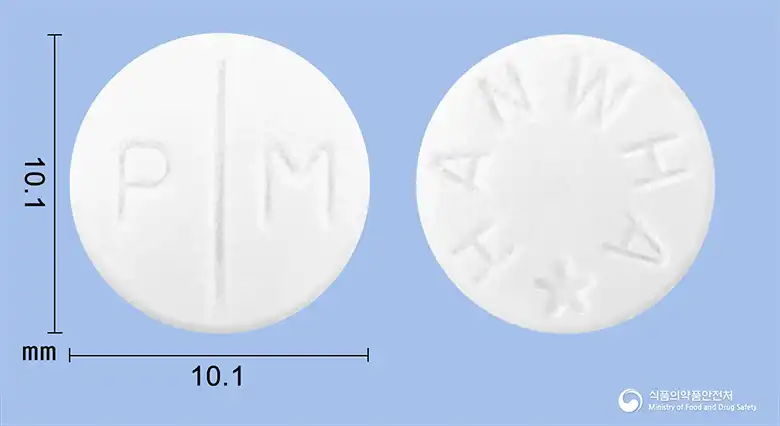
White film-coated round tablets
30 tablets/bottle, 100 tablets/bottle, 300 tablets/bottle, 1000 tablets/bottle
Even with the same ingredient, strength, dosage form and how it is taken can differ.
Viewing nowAmantadine Sulfate 100mg
Tablet · Prescription medication
Hanwha Pharmaceutical Co., Ltd.
Amantadine Sulfate 0.4mg
Injections · Prescription medication
Hanwha Pharmaceutical Co., Ltd.
Amantadine Sulfate 100mg
Tablet · Prescription medication
Korea Pharmaceutical Co., Ltd.
Even with the same ingredient, the dose and directions can differ by strength and dosage form. Talk to a doctor or pharmacist before switching from a medication you are already taking.
No questions yet.
For anything that needs medical judgment, consult a doctor or pharmacist.
This drug information is based on data provided by the Korea Ministry of Food and Drug Safety.
Consult a doctor or pharmacist for accurate dosage, administration, and usage instructions.