
 한국어
 English
 日本語
 中文(简体)
 Viewing now
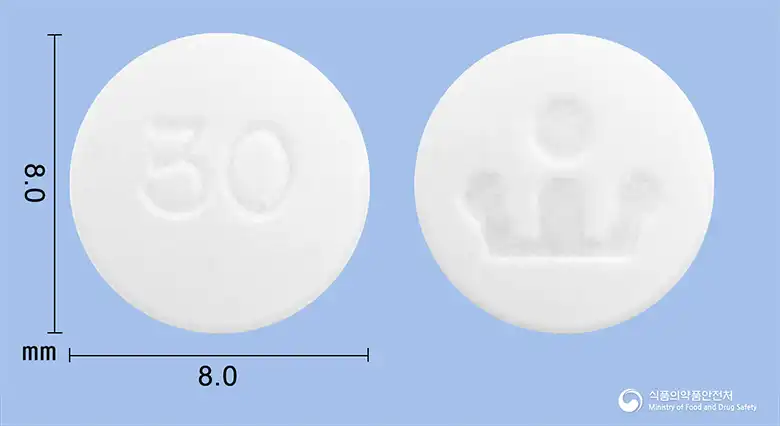
Cardiazem Tablet 30 milligrams (Diltiazem Hydrochloride)
Diltiazem Hydrochloride 30mg
Tablet · Prescription medication
Hanwha Pharmaceutical Co., Ltd.
MFDS item code 198700733 · Notified 1987.07.13 · Insurance code 657200690
Treatment of angina pectoris and essential hypertension (mild to moderate)
This drug is primarily used for angina pectoris and essential hypertension (mild to moderate).
Adults: Administer diltiazem hydrochloride 30~60㎎ orally 3 times daily. The dose may be adjusted appropriately according to age and symptoms.
This drug should not be used in patients with heart function issues or severe heart failure. Particularly, it should not be administered to patients with abnormal electrical signal transmission in the heart or those with very low blood pressure. Patients who have had allergic reactions to this drug or those with acute myocardial infarction or pulmonary congestion should also avoid taking it. Women who are pregnant or may become pregnant should not use this drug. Additionally, patients with specific genetic lactose metabolism disorders should not take this drug. Patients with heart failure or significantly impaired liver and kidney function should use this drug with caution, and special attention is required for patients with conduction disturbances in the heart. While taking this drug, various side effects such as nasal congestion, headaches, throat pain, constipation, cough, edema, myalgia, and dyspepsia may occur. Cardiac-related side effects such as bradycardia, arrhythmias, and hypotension can occur, so immediate notification to medical personnel is necessary if symptoms arise. Mental fatigue, dizziness, headaches, gastrointestinal issues, skin rashes, respiratory difficulties, and urinary reproductive issues have also been reported. Abrupt discontinuation of this drug can exacerbate symptoms, so the dosage should be gradually reduced following medical advice. Since it can affect heart function, regular ECG tests should be conducted, and in heart failure patients, the worsening of their condition should be closely monitored. Blood pressure may drop, so it is advisable to avoid working at heights or driving when experiencing dizziness or lightheadedness. Patients with bronchial disease should carefully monitor their respiratory condition, as this drug may exacerbate asthma. As there are many interactions with other medications, it is crucial to inform medical personnel of any other medications being taken, particularly if they are heart-related drugs. Pregnant or breastfeeding women should avoid taking this drug; if unavoidable, breastfeeding should be discontinued. Safety in children has not been established, so it is preferable not to use this drug in pediatric populations. In case of overdose, severe hypotension and cardiac arrhythmias may occur, requiring immediate emergency treatment. This capsule form of the drug should never be opened or chewed; it must be swallowed whole.
Not everyone experiences these, and they can vary from person to person.
This drug should be stored in a tightly sealed container to protect it from air and moisture. It should also be kept at room temperature, not too hot or too cold.
White round tablets
For domestic use - 300 tablets/bottle, for export - 100 tablets/bottle
Even with the same ingredient, strength, dosage form and how it is taken can differ.
Viewing nowDiltiazem Hydrochloride 30mg
Tablet · Prescription medication
Hanwha Pharmaceutical Co., Ltd.

Diltiazem Hydrochloride 30mg
Tablet · Prescription medication
HK Inno.N Co., Ltd.
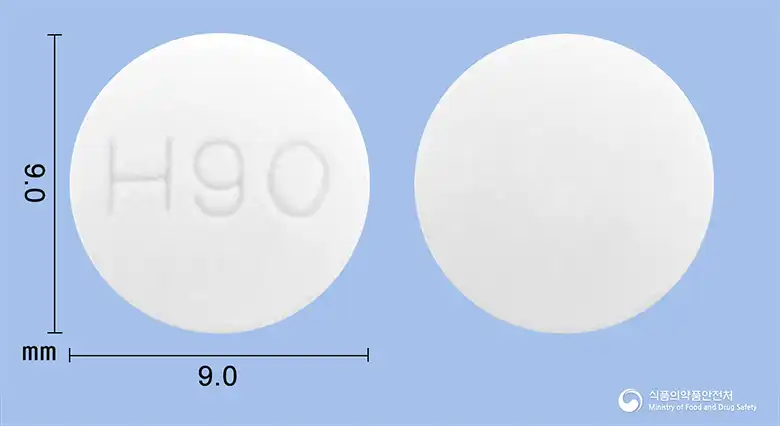
Diltiazem Hydrochloride 90mg
Tablet · Prescription medication
HK inno.N Co., Ltd.
Diltiazem Hydrochloride 50mg
Injections · Prescription medication
HK inno.N Co., Ltd.
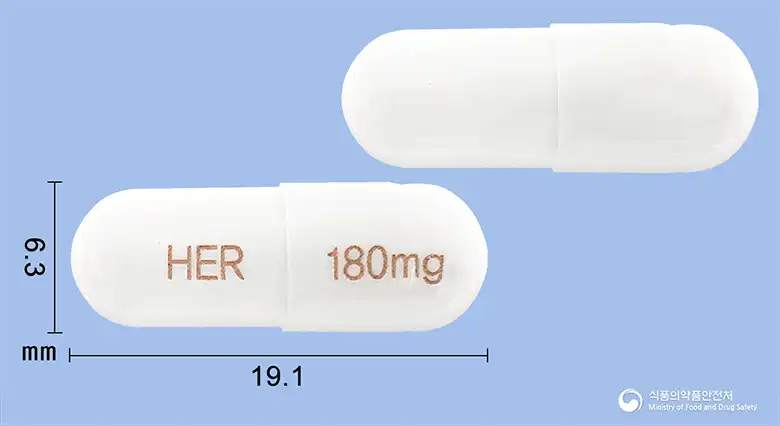
Diltiazem Hydrochloride 180mg
Hard capsule · Prescription medication
HK inno.N Co., Ltd.
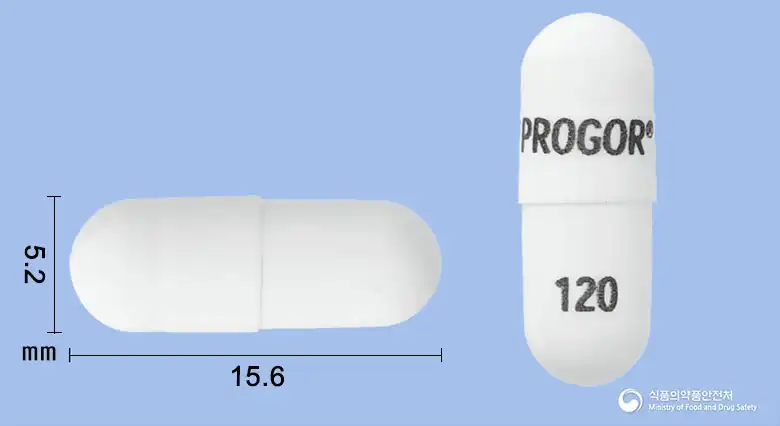
Diltiazem Hydrochloride 120mg
Hard capsule · Prescription medication
Korea Unipharm Co., Ltd.
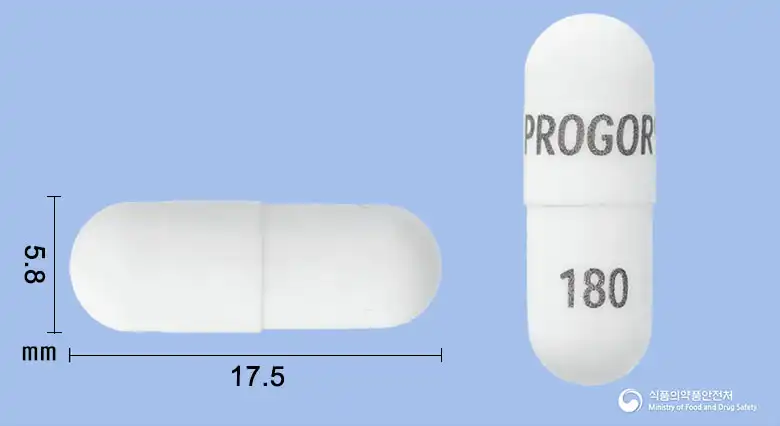
Diltiazem Hydrochloride 180mg
Hard capsule · Prescription medication
Korea Unipharma Co., Ltd.
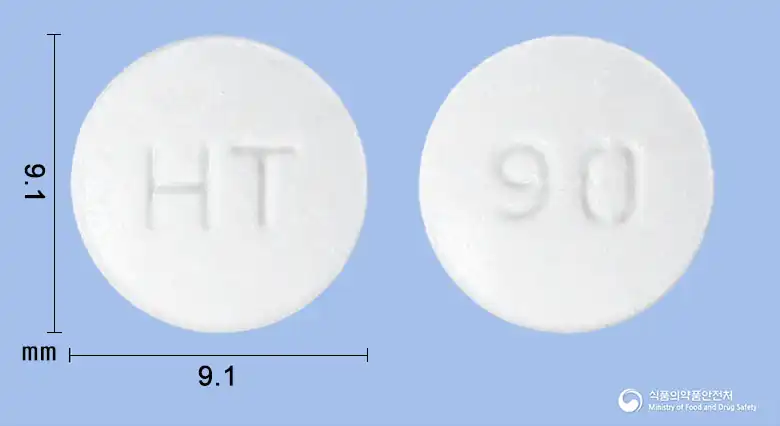
Diltiazem Hydrochloride 90mg
Tablet · Prescription medication
Korea HuTex Pharmaceutical Co., Ltd.
Even with the same ingredient, the dose and directions can differ by strength and dosage form. Talk to a doctor or pharmacist before switching from a medication you are already taking.
No questions yet.
For anything that needs medical judgment, consult a doctor or pharmacist.
This drug information is based on data provided by the Korea Ministry of Food and Drug Safety.
Consult a doctor or pharmacist for accurate dosage, administration, and usage instructions.